


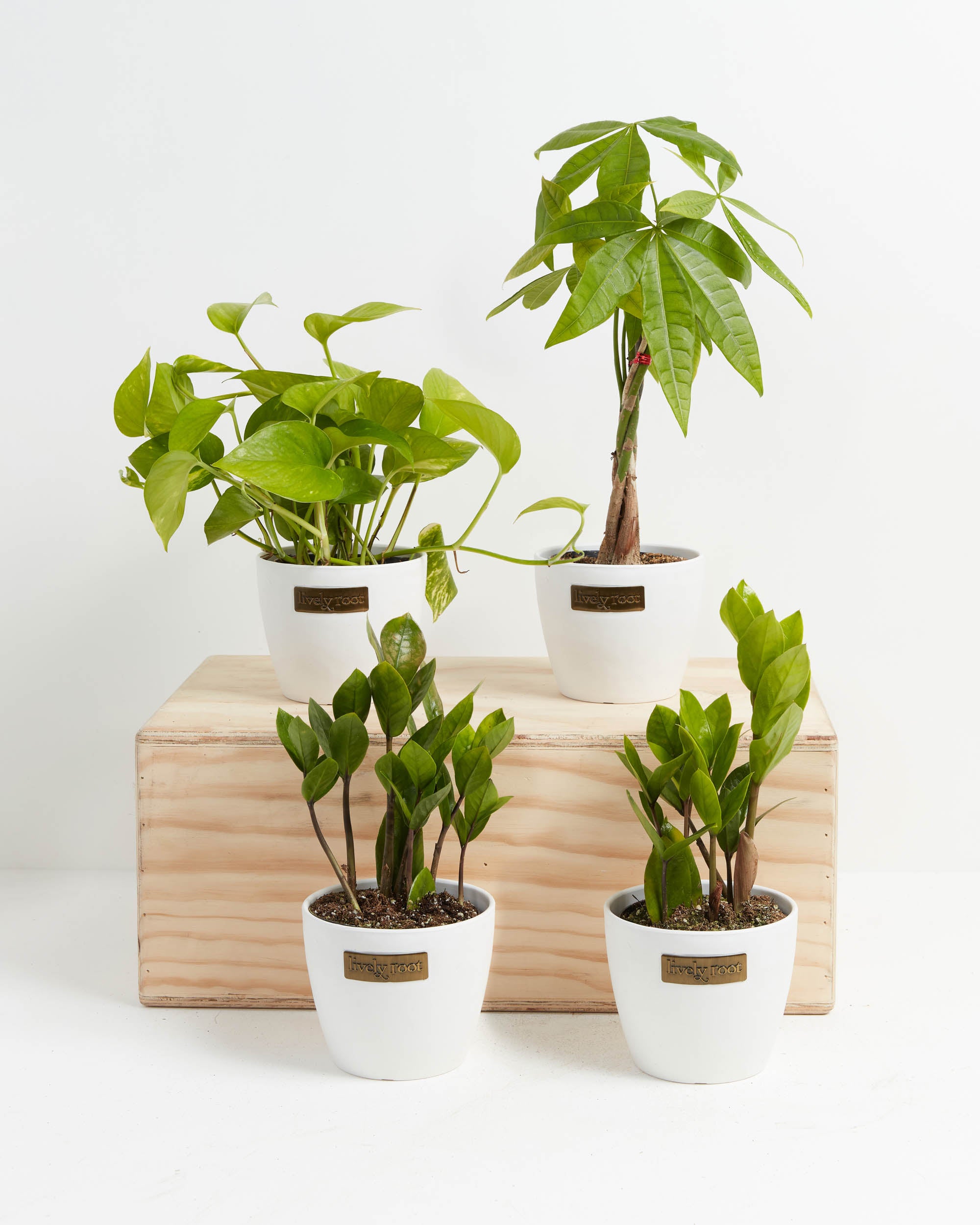







Popular Collections
Air Purifying Plants Buying Guide
Enhance your environment with our Air Purifying Plants Buying Guide and bring the fresh, calming feel of living greenery into your daily life. Dive into the green revolution and elevate the look and feel of your home. Discover popular air-purifying plants and let them rejuvenate and transform your living spaces. Start shopping now to bring a breath of fresh, natural beauty indoors. Choose varieties that fit your light, room size, care level, and pet needs.
Best Indoor Plants for Better Air Quality
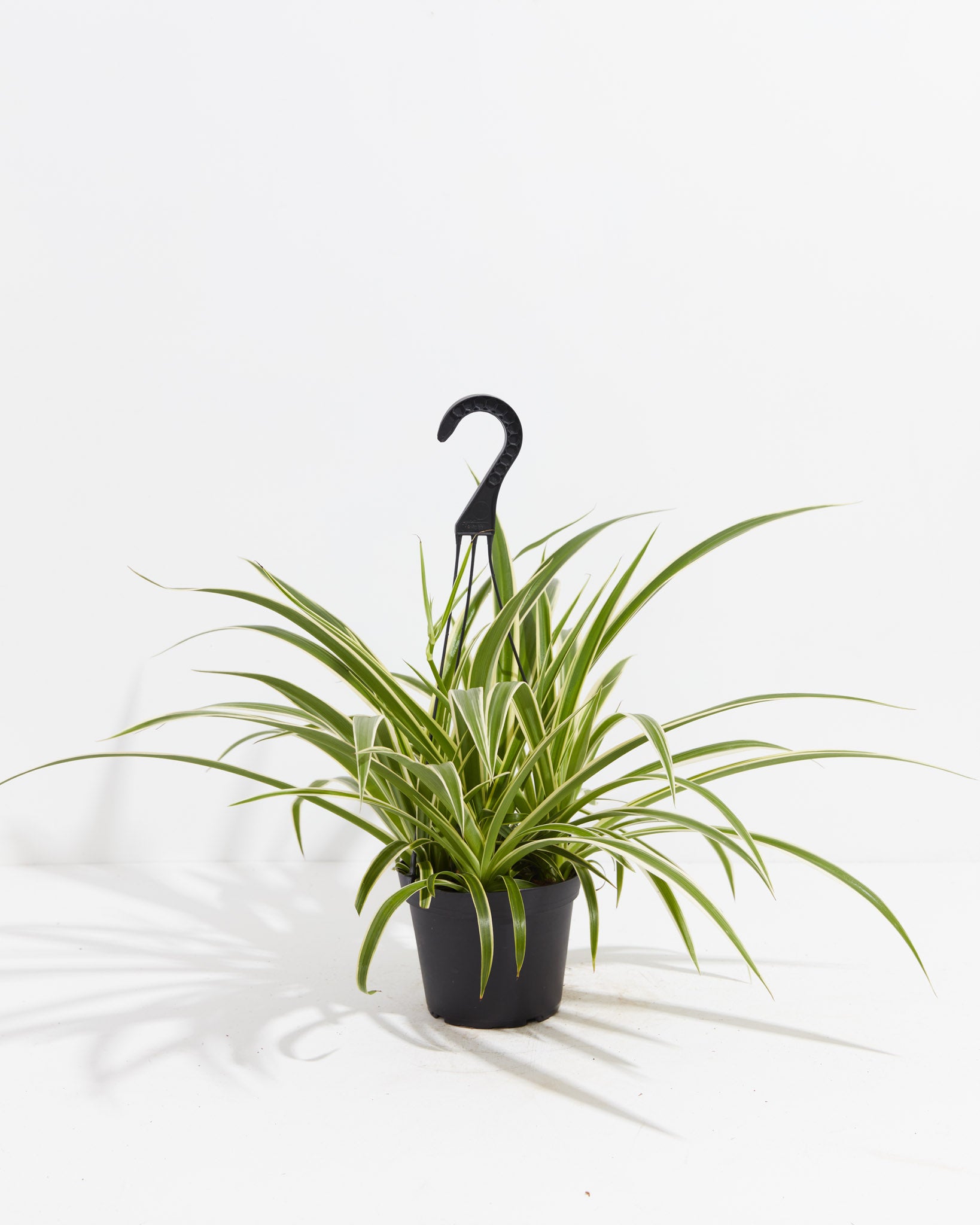
If you are looking for the best indoor plants for better air quality, start with easy favorites like snake plant, also called Mother-in-Law’s Tongue and formerly classified as Sansevieria trifasciata, peace lily, spider plant (Chlorophytum comosum), English Ivy, and indoor palms. Some shoppers also compare options like bamboo palm (Chamaedorea seifrizii) or Aloe Vera when looking for plants associated with cleaner indoor air. These air purifying houseplants are often discussed in NASA studies about indoor air pollutants, but they work best as part of a healthier home setup, not as a complete air-purifying system on their own.
Common indoor air pollutants include volatile organic compounds, also called VOCs, along with mold, smoke, and carbon monoxide. VOCs can come from paint, furniture, cleaning products, and office equipment. Plants can help a room feel fresher, but they work best alongside ventilation, moisture control, and a properly sized air cleaner.
Harness the Power of Air-Purifying Indoor Plants
Elevate your indoor environment with our diverse selection of leafy, air-purifying plants. Through photosynthesis, plants absorb carbon dioxide and release oxygen while bringing color, texture, and a fresh natural feel to your space. Laboratory studies have measured pollutant removal under controlled conditions, but houseplants do not function like a mechanical air filter in a typical home. Enjoy them as living décor and pair them with ventilation and other proven indoor-air practices.
Backed by Science: The NASA Clean Air Study
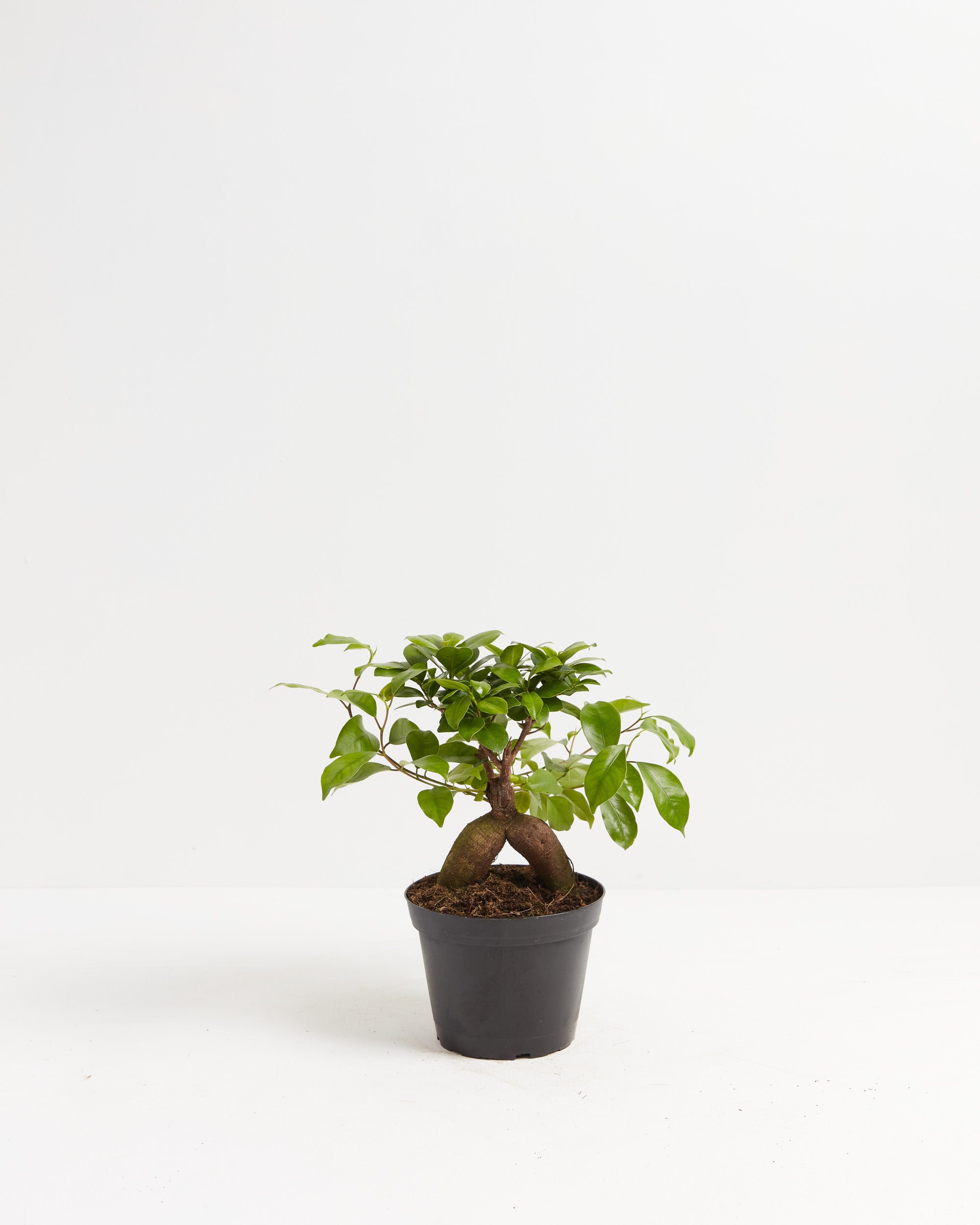
The 1989 NASA Clean Air Study tested how plant-and-soil systems removed certain VOCs inside sealed chambers. This Clean Air Study helped popularize air purifying houseplants, including bamboo palm, Weeping Fig (Ficus benjamina), spider plant, and snake plant. However, a normal home has far more air exchange than a sealed test chamber. A later peer-reviewed review found that typical ventilation outperforms a practical number of potted plants for VOC removal, so plants should complement, not replace, source control, ventilation, or an air filter.
How Plants Fit Into a Healthier Indoor-Air Plan
Plants can support a welcoming indoor environment, but EPA guidance identifies source control, ventilation, and filtration as the primary ways to improve indoor air. When outdoor conditions are suitable, increasing air exchange helps dilute indoor pollutants. In compatible HVAC systems, the EPA recommends a MERV 13 filter or the highest-efficiency air filter the system can accommodate. For some gases and odors, a portable air cleaner with an activated carbon filter may help; any carbon filter should be replaced as directed. People with respiratory problems should not rely on plants alone.
Ideal for Urban and Polluted Areas
No matter if you reside in a bustling city, near busy roads, or simply crave a touch of nature, plants can make your indoor space feel greener and more inviting. They can complement a healthier indoor environment, but they should not be treated as personal air purifiers. When outdoor air quality is poor, follow local guidance and use appropriate filtration instead of opening windows or relying on houseplants alone.
More Than Just Air Cleaning: Enhancing Well-being
However, the appeal of these plants extends beyond the air-purifying category. Indoor greenery can add color, texture, and a calmer visual rhythm to rooms where people live and work. Our collection includes robust options like the Variegated Spider Plant and the Hawaiian Sunshine Dragon Tree, both ready to revitalize your living space with bold foliage. Choose each plant for its look, placement, and care needs, then let healthy greenery bring the room to life.
Beauty Meets Functionality
These plants are more than just functional; they bring a rejuvenating touch of nature into your home. Embrace the dual benefits of beauty and functionality with these green companions, ensuring your home is not only aesthetically pleasing but also a refreshing, energized sanctuary.
Selecting the Ideal Air Purifier Plants for Your Environment
A Journey to Cleaner Air: Matching Plants With Your Space
Embark on a journey to enhance your indoor air quality with the right air-purifying plants. When choosing the perfect plants, several factors should be considered to ensure they suit your space effectively.
Room Size and Plant Selection
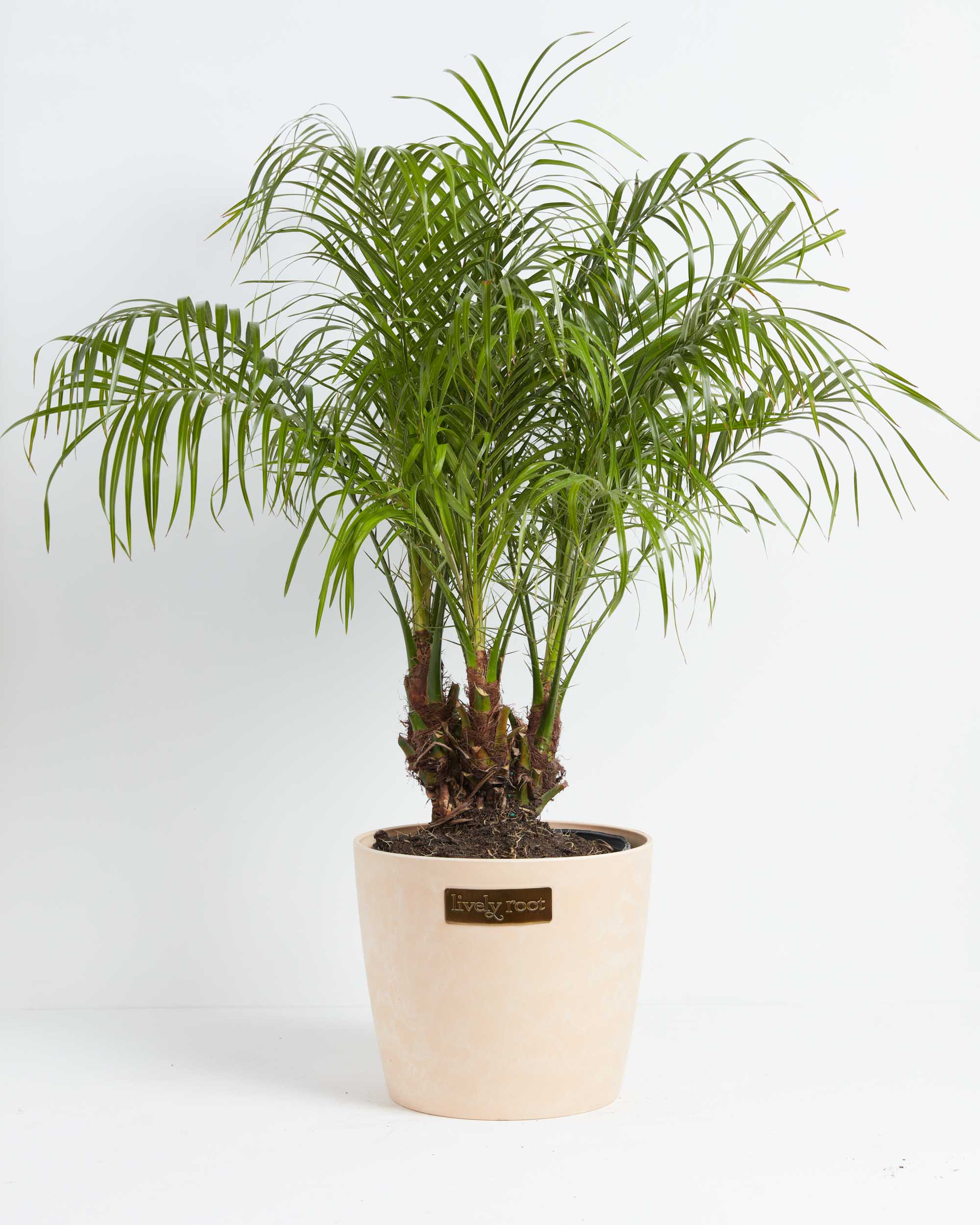
First, consider the size of your room. Larger spaces can accommodate bigger plants like the Areca Palm, also called the golden cane palm. Other statement options include Bird of Paradise, Kentia Palm, and Weeping Fig (Ficus benjamina). For smaller areas, the Lemon Button Fern adds a touch of elegance and is well-suited to compact spaces. Matching plant size with your room creates visual balance and gives each plant enough space for healthy growth.
Light Conditions and Plant Health
It's also crucial to assess the light conditions in your space. Different plants have varying light requirements, and choosing a plant that thrives in your room's natural light is essential for both the health of the plant and its air-purifying efficiency.
Plant Size vs. Air Quality Impact
Another aspect to consider is how plant size affects placement, care, and visual impact. A small room may feel balanced with one compact plant, while larger spaces can accommodate a statement plant or several smaller varieties. Plant quantity alone does not guarantee effective air purification. Air exchange, source control, and filtration matter more for measured indoor air quality. Choose plants that fit your lifestyle, such as low-maintenance options like the Black Leaf Dragon Tree.
Pet-Friendly Plants: Safe and Purifying
For pet owners, selecting plants that are safe for pets is paramount. Delve into the world of pet-friendly air-purifying plants, which offer the dual benefits of a greener space and a safe environment for your furry companions. Hanging plants are also a great option to keep plants out of reach from curious pets.
Bringing Plants Into the Workplace
Consider extending the benefits of air-purifying plants to your workplace. Introducing these plants to office settings can foster a healthier atmosphere, potentially enhancing focus and productivity among employees.
Air-Purifying Indoor Plants - Understanding Their Needs
Unlock the full potential of your air-purifying plants by understanding their unique requirements.
Watering Needs: Nurturing Your Air-Purifying Plants Indoors
Proper watering is essential for the success of your air-purifying plants. Resilient Snake Plants thrive with infrequent watering, while the elegant Peace Lily requires more consistent moisture. Striking the perfect balance based on each plant's needs supports healthy, steady growth. Aloe Vera also prefers its soil to dry between waterings. Place it in bright light and avoid letting water collect around the roots.
Soil: The Foundation for Thriving Air Purifiers
Choosing the right soil is crucial for fostering a healthy environment for your plants. The hardy Rubber Plant prefers well-draining soil, whereas the Spider Plant adapts well to various soil types. Tailoring your choice to the preferences of your chosen indoor plantsyields flourishing results.
Fertilizer: Fueling Growth and Air Cleansing
Provide your air-purifying indoor plants with the nutrients they need. The Philodendron, known for its lush foliage, benefits from balanced fertilizer during the growing season. Understanding the diverse nutritional needs of different plants is helps maintain strong, healthy foliage. For trailing plants such as Heartleaf Philodendron and Devil’s Ivy, use a balanced fertilizer at the label rate during active growth and reduce feeding during slower winter growth.
Humidity: Creating Optimal Air Conditions
Maintain optimal humidity levels for your air-purifying plants to thrive. The Rubber Plant, with its large leaves, appreciates higher humidity, while the Dracaena is adaptable to varying moisture levels. Knowing the humidity preferences of your plants supports strong, healthy growth. Striped Dracaena varieties may also appear under the older Dracaena deremensis name. Chinese Evergreen is another adaptable option for average indoor conditions, provided its soil and watering routine stay balanced.
Temperature: Finding the Sweet Spot
Ensure the temperature in your living space aligns with the preferences of your air-cleaning houseplants. The hardy Snake Plant tolerates a wide range of temperatures, while the Boston Fern prefers a more temperate climate. Balancing the temperature creates an environment where your plants can remain healthy and continue growing.
How to Care for Your Air Purifying Plants
Nurturing your indoor air-purifying plants is an art. Follow these fundamental care tips to cultivate a thriving green haven in your home.
Potting and Repotting: Grounded in Success
Choose pots with drainage holes to prevent waterlogging and ensure plant health. Repot regularly to refresh the soil and provide vital nutrients, supporting healthy roots and new growth.
Choosing the Right Soil and Fertilizer: Nutrient-Rich Support
Select well-draining soil and suitable fertilizer to cater to each plant's needs. This promotes healthy growth and overall vitality.
Propagation Methods: Grow Your Green Family
Expand your plant collection sustainably by mastering propagation techniques. Multiply the benefits by growing new plants from stem or leaf cuttings or through division.
Addressing Common Issues: A Green Detective's Handbook
Tackle challenges like yellowing leaves or pests with preventive and curative measures. Identify the causes, such as overwatering or improper light exposure, to ensure your air-purifying plants thrive and look their best.
Best Indoor Air Quality Plants FAQs
What plant removes up to 78% of airborne mold?
English Ivy is associated with this claim, but the 78% figure comes from a small, controlled container experiment and should not be presented as a typical household result. EPA guidance says a mold problem must be addressed by removing the moisture source and cleaning up the mold. An air filter may reduce some airborne particles, but it will not solve the underlying cause. English Ivy is also toxic to pets if ingested, so keep it fully out of reach.
What house plants are best for a greener, healthier home?
Houseplants are not a stand-alone solution to climate change, but they can support a greener indoor lifestyle and make your home feel fresher, calmer, and more connected to nature. If your goal is better indoor air quality, focus on healthy, easy-care plants that fit your space and that you can keep thriving over time.
Does English Ivy help with indoor air quality?
English Ivy is one of the most searched plants for indoor air quality because it is often associated with reducing airborne mold and helping with common indoor pollutants. It is a strong choice for shoppers comparing air-purifying plants, but because it is toxic to pets, it should be kept out of reach in pet-friendly homes.
Is Areca Palm a good air-purifying plant?
Areca Palm is a strong option for anyone who wants a larger indoor plant that helps support better air quality. It adds humidity, works well in bright indirect light, and grows best in well-draining potting soil with routine plant care and pest checks.
Which indoor plant purifies air the most?
There is no single best plant for every room. The best choice depends on available light, room size, pet safety, and care needs. Peace Lily, Spider Plant, Snake Plant, English Ivy, and Areca Palm are popular choices for shoppers interested in air-purifying plants. In real homes, however, no practical number of potted plants replaces source control, air exchange, or filtration. Choose the plants you can keep healthy and use proven air-quality measures when pollutant reduction is the goal.
Do air-purifying plants work like an air filter?
No. A mechanical air filter moves room air through a filter medium, while a potted plant relies on passive biological processes. Particle filters can capture dust, smoke, and allergens, while an activated carbon filter is designed for some gases and odors. Plants do not provide comparable airflow or tested clean-air delivery rates, so use them for beauty and pair them with appropriate air exchange and filtration.
