







Popular Collections
How to Choose a Hanging Plant
Hanging plants earn their spot because they use space nothing else can: the corner above a bookshelf, the hook by a window, the railing on a porch. Trailing foliage softens hard edges and gives a room the layered, green look people mean when they say jungle.
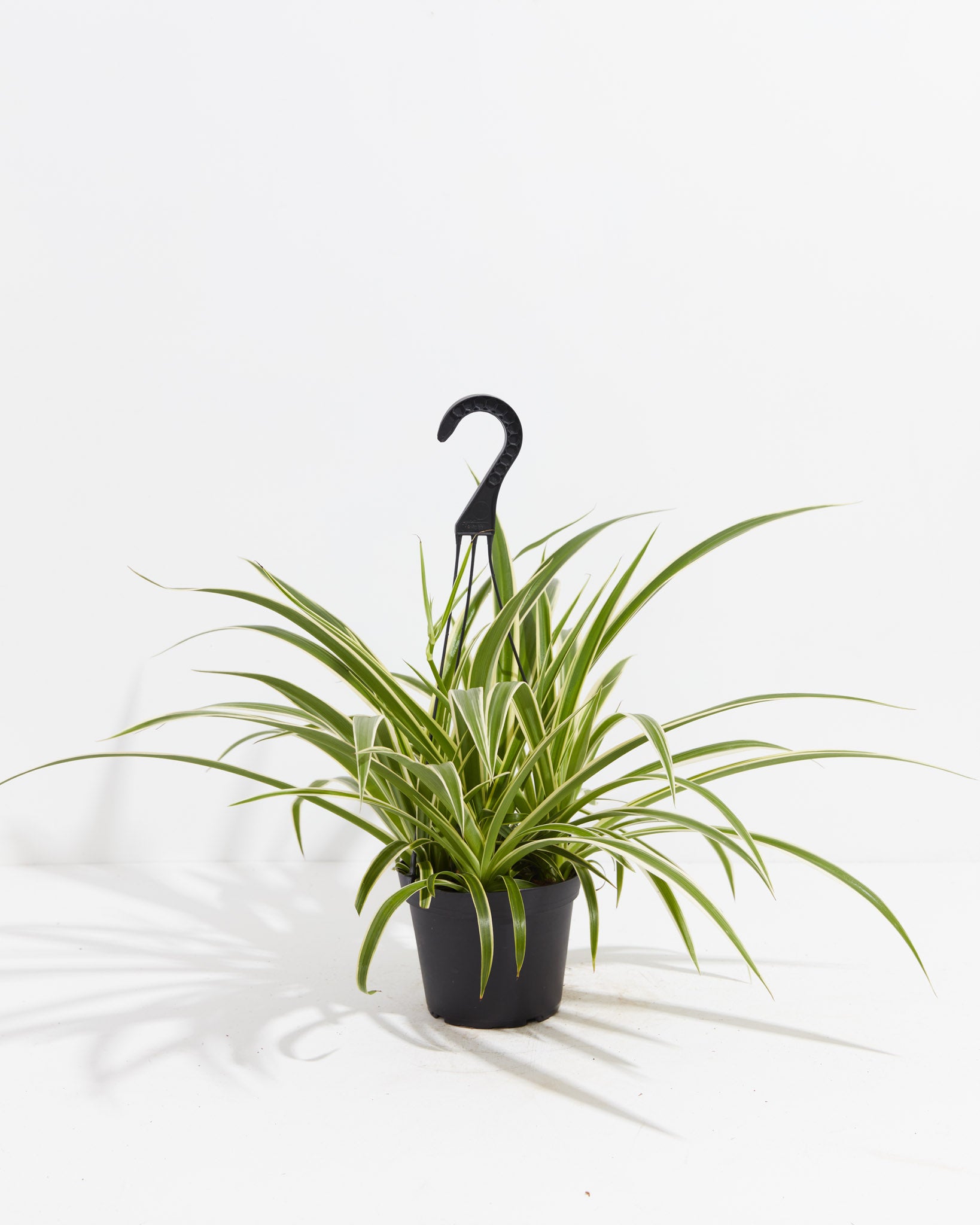
This collection runs from the classic English ivy to the fast-growing spider plant. Most of the best indoor hanging plants want bright, indirect light, which makes them easy to place near windows and shelves without scorching their leaves.
Benefits of Hanging Plants & Flowers
Aesthetics and Interior Decoration
Trailing plants have stems that cascade downward and can often be trained to climb a trellis or moss pole instead. Indoors, drape them over shelves, doorways, and arches. Outdoors, they fill hanging baskets on a patio or spill from a pedestal planter by the front door. Give them indirect light and room to trail.
Pet-Friendly Hanging Plant Options Available
English ivy is not pet-safe, but many hanging houseplants are, including spider plant, Boston fern, and hoya. Keep any plant that is not safe for pets in a hanging basket or on a high shelf where a curious cat or dog cannot reach it. Light needs vary even among pet-friendly plants, so match each one to the right spot.
Air-Purifying Qualities and Increased Curb Appeal
Spider plant is one of the most studied houseplants for indoor air, and it happens to be one of the easiest to hang. Outdoors, a few well-chosen trailing plants in baskets or pedestal planters do more for a porch than almost any other upgrade.
Types of Hanging Plants We Grow
Vines and Climbers
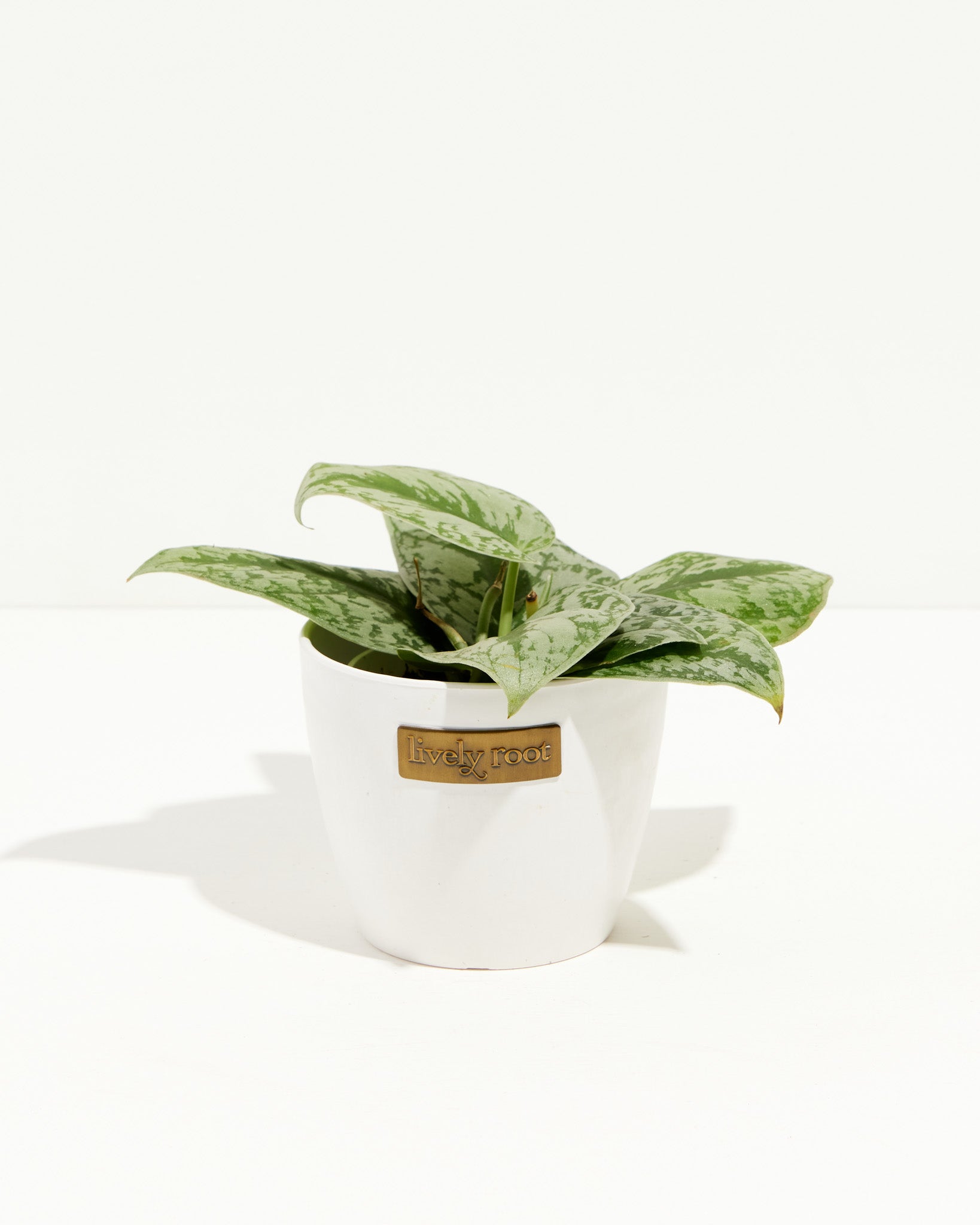
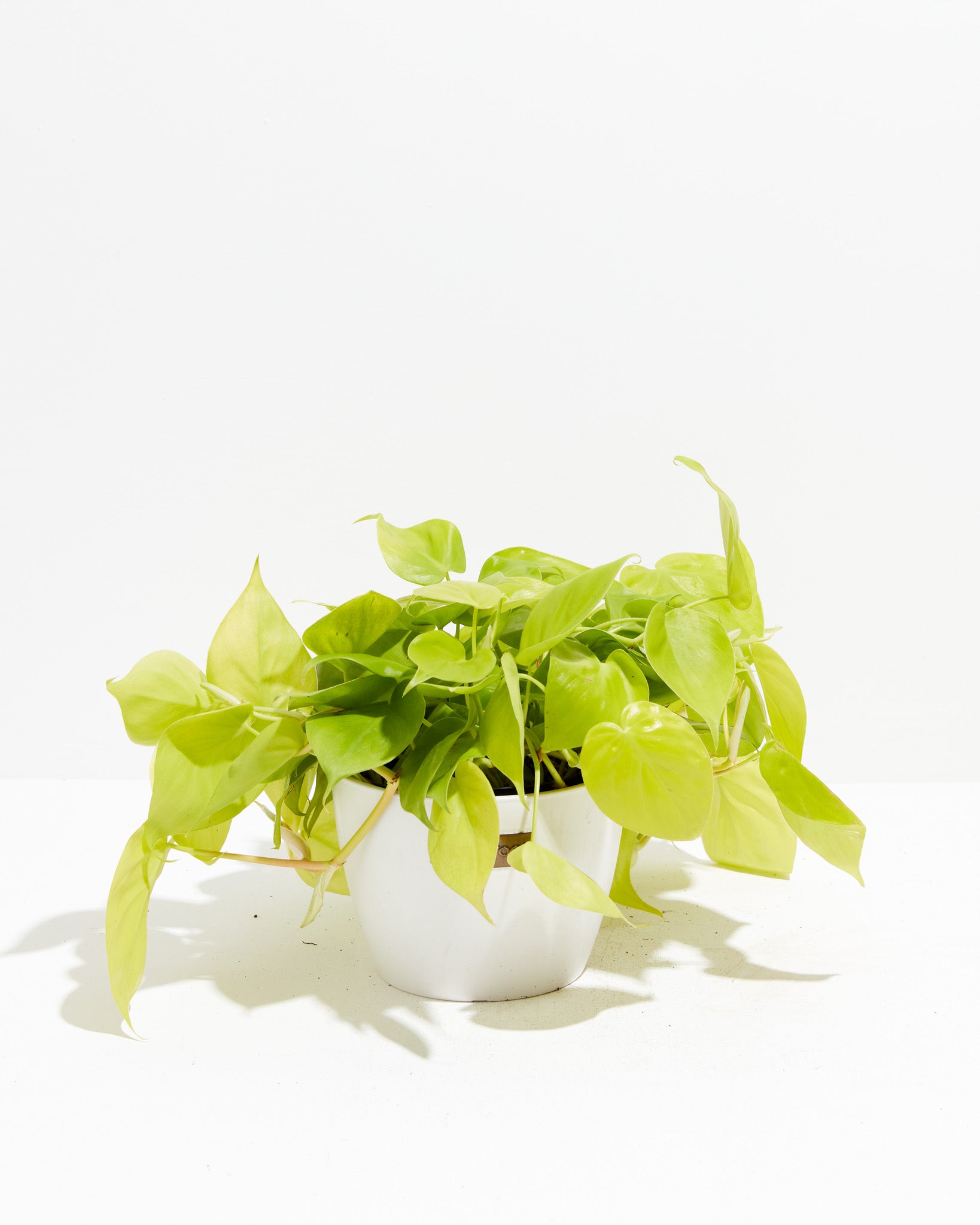
Climbing vines are great for creating green walls or training over trellises and supports. While the beautiful Pothos, with its lush and glossy leaves, can be grown as a plant that cascades down from its pot, it can also be a climber if given the opportunity with some necessary support. It also comes in striking variegated varieties like the Marble Queen Pothos. Golden Pothos, Marble Queen Pothos, and Philodendron Cordatum are especially versatile for indirect light and make beautiful low light hanging plants when placed away from intense afternoon sun. Additionally, all varieties of ivy, including the charming English Ivy Glacier, are hardy and evergreen plants that can handle lower temperatures.
Creeping and Cascading Plants
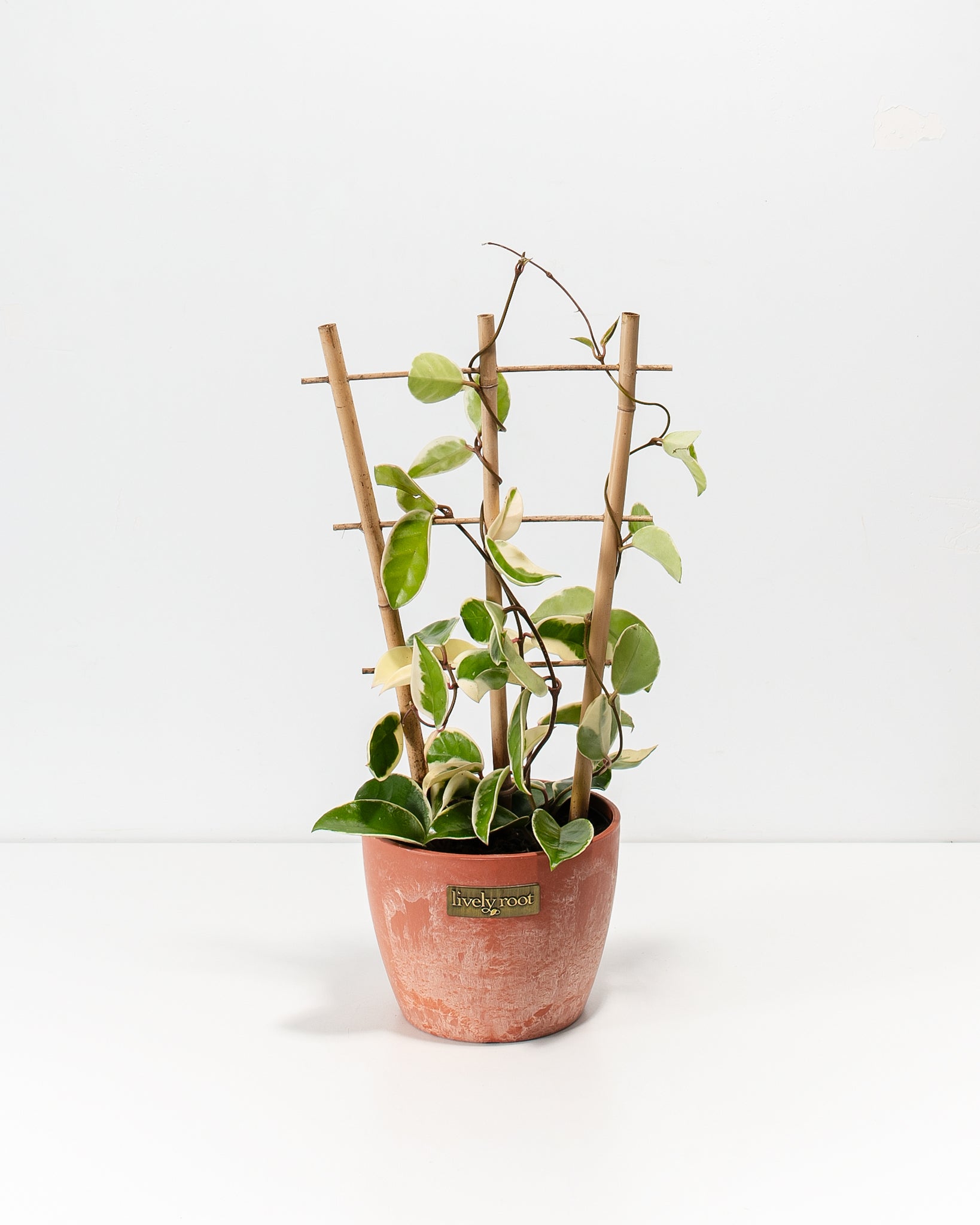
Cascading plants like Pearls and Jade Pothos and Philodendron Cordatum look best on a high shelf or in a hanging planter where the vines have room to fall. For variegated leaves, try Hoya Carnosa Tricolor, which holds its pink and cream edges in bright, indirect light. Cascading greenery adds movement to living rooms, studies, and home offices.
Flowering Hanging Plants
The Lipstick Plant is the flowering option in this collection. Give it bright, indirect light and steady moisture and it produces tubular red blooms along trailing stems from spring into fall.
Find the Perfect Hanging Plant to Suit Your Style
Living Space Size and Climate
In a compact room, a hanging plant adds greenery without taking floor space; pothos and philodendron cordatum both handle lower light. Outdoors, climate decides: most of these plants are tropical, so bring baskets inside before the first frost.
Plant Care Requirements and Plant Size
Match the plant to the care you will actually give it. Golden pothos tolerates low light and missed waterings, which is why it is our go-to office plant. Boston fern wants humidity and consistent moisture. Spider plants grow large and produce plantlets you can pot up or share.
Hanging Plant Care Basics
Indoor hanging plants require attention and care, just like any other houseplant.
Pruning, Propagation, Repotting & Feeding
Repotting larger hanging plants indoors can be a trial, so ensure you have enough space to spread the long trailing stems. Use a loose, well-draining potting soil for most hanging houseplants, and consider blends with coco coir to help balance moisture retention and airflow. Refresh the potting soil when roots become crowded so your plant has room to keep trailing. On that note, hanging plants may require more frequent trimming. You can propagate the cut stems and expand your trailing plant collection. Feed your hanging plant with a balanced fertilizer during the spring and summer.
Watering, Humidity, and Sunlight
Ferns want more frequent watering; hoya and other succulent-leaved plants want the soil to dry out first. Most ivy will grow in partial shade, while variegated plants like Hoya Carnosa Tricolor need brighter light to keep their color. Humidity lovers benefit from a bathroom window or an occasional misting.
Common Problems to Watch Out for
Many people like displaying their spectacular hanging baskets outside during the summer. Remember to protect your hanging perennials from the frost by bringing them indoors as the weather gets colder.
Overwatering causes root rot and yellow leaves; too much direct sun scorches; too little light makes vines leggy and pale. Because a hanging pot dries faster than one on the floor, check the soil more often than you think you need to. Our Plant Care Guides cover each plant in detail.
Where to Hang Them
Hang plants where the light is right and the trailing stems have room: a ceiling hook near a window, a wall-mounted planter in a hallway, a macrame hanger over a reading chair. Mix two or three varieties at different heights for a living green curtain. Not sure which plant fits your space? Take the Plant Finder Quiz, and we will deliver your pick to your door.
Not sure which hanging plant is ideal for your space, or looking for a thoughtful gift? Try our interactive Plant Finder Quiz to discover the best options tailored to your needs. Plus, with our convenient hanging plants delivery service, your chosen greenery will be delivered directly to your doorstep, hassle-free!
FAQs
Which plants are best for hanging indoors? Golden pothos, spider plant, Boston fern, heartleaf philodendron, and hoya are the reliable choices. All five trail naturally, tolerate average home humidity, and are in this collection.
What is the easiest hanging plant to care for? Golden pothos. It handles low to bright indirect light, forgives a missed watering, and grows quickly enough that you can trim and propagate the cuttings.
Are hanging plants safe for cats and dogs? Some are. Spider plant, Boston fern, and hoya are pet-safe; pothos, philodendron, and English ivy are not, so hang those out of reach. Use the Pet Safe filter above to see only the safe options.
How often should I water a hanging plant? Check the top inch of soil every few days and water when it is dry. Hanging pots dry out faster than floor pots because warm air rises, so expect to water more often in summer and less in winter.
