


Pet Safety: Are Hoya Plants Toxic to Cats and Dogs?
Hoyas are compact, semi-succulent plants from tropical regions and forests. You can grow them as climbing vines or let them trail along the ground, depending on the available space in your home. With their thick, fleshy, and evergreen leaves, as well as low-maintenance needs, they are popular and much-loved indoor plants. But do you need to be cautious when growing Hoyas if you’re a pet owner? Are Hoyas poisonous, or can you safely let your furry companions play around these beautiful plants? Let’s find out!

Hoyas are compact, semi-succulent plants from tropical regions and forests. You can grow them as climbing vines or let them trail along the ground, depending on the available space in your home. With their thick, fleshy, and evergreen leaves, as well as low-maintenance needs, they are popular and much-loved indoor plants. But do you need to be cautious when growing Hoyas if you’re a pet owner? Are Hoyas poisonous, or can you safely let your furry companions play around these beautiful plants? Let’s find out!
Continue reading as we delve deeper into whether Hoya plants are toxic to cats and dogs, and share simple tips on what to do if your pet ever eats a large amount of it.
About Hoya Plants

Symbols of love, friendship, and good fortune, Hoya plants are leafy, long-living houseplants with thick, shiny leaves and pretty bell-shaped flowers that bloom in clusters. Hoya belongs to the Apocynaceae family and is frequently referred to as the “Wax Plant”. Hoyas, which are native to tropical and subtropical regions of Asia, thrive in bright, indirect sunlight and can also be grown outdoors in warm, humid USDA zones 10-12. They don’t require a great deal of water, so it’s preferable to allow the soil to dry out a little before watering again.
Interestingly, Hoya plants can stay in smaller pots and won’t mind if their roots get a little crowded. Popular varieties of Hoyas include the Hoya Heart Plant (Hoya kerri), which gets its common name the single, heart-shape green leaf, the Variegated Hoya Heart (Variegated Hoya kerrii) with light and dark green variegation, and the resilient Hoya Australis (Hoya australis) for hanging baskets or elevated planters to add a vibrant, exotic flair to any indoor space.
But is the Hoya plant pet safe?
Is Hoya Toxic to Cats?

If you’ve got a cat and a Hoya plant at home, you may be worried about your feline pet’s safety. So, let’s take a closer look at the plant’s toxicity for cats and whether this gorgeous potted plant is safe for your furry friend.
Hoya Safe for Cats: Can Cats Eat Hoyas?
Are Hoya plants safe for cats? According to ASPCA, Hoya plants are safe for cats. Their stems, leaves, or flowers don’t contain any harmful toxins or poisonous substances, so you can rest assured about your cat’s safety around the plant. Nevertheless, it’s not a good idea to let your feline ingest a large quantity of the plant. Otherwise, it may show the following signs of distress:
-
Loss of appetite
-
Diarrhea
-
Problems in digestion
-
Excessive drooling
-
Vomiting
-
Weakness
If your cat has eaten a large amount of the Hoya plant but doesn’t seem seriously ill, it’s still a good choice to call your vet for professional advice. In the meantime, try to gently remove any visible plant pieces from your cat’s mouth and offer lots of fresh water. Keep an eye on your cat for any serious symptoms.
Are Hoya Plants Toxic to Dogs?

Is Hoya toxic to dogs? No, Hoya is completely safe for dogs. The plant is totally fine for households with dogs, thanks to its non-toxicity. Still, you should not allow your dog to nibble on a Hoya to prevent the risk of gastrointestinal upset, such as vomiting or diarrhea.
Hoya Plant Safe for Dogs: Signs of Accidental Ingestion
Is the Hoya plant safe for dogs? While the Hoya plant is generally safe for dogs, ingesting a large amount may cause the following signs or symptoms:
-
Nausea
-
Lethargy
-
Loss of appetite
-
Stomach pain
-
Frequent urination
-
Drooling
If your dog isn’t feeling well after eating the Hoya plant, contact a veterinary specialist right away. Only an expert can guide you properly and make sure your dog stays safe. Don’t wait if you notice any unusual signs. To prevent this from happening again, keep houseplants out of your dog’s reach.
Pet Safety and Plants: FAQs
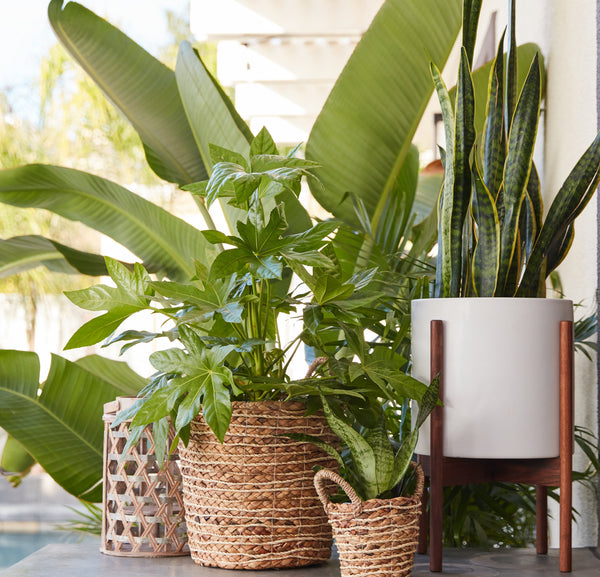
Q: Is the Philodendron toxic to cats and dogs?
A: Yes, Philodendrons are toxic to both cats and dogs. Consuming its leaves or stems can cause mouth pain, drooling, and sometimes vomiting. That’s why it’s recommended to keep this plant out of reach of pets. If you think your cat or dog has eaten a Philodendron, consult your vet for treatment right away. There are many pet-safe plants you can choose instead of a Philodendron.
Q: Is the Snake plant toxic to cats and dogs?
A: Yes, Snake plants are toxic to cats and dogs. Eating parts of this plant, including stems, roots, and leaves, can upset your pet’s stomach and lead to vomiting or diarrhea. Most pets won’t eat too much because the taste isn’t pleasant, but it’s still better to keep a Sansevieria plant away from them. If your pet eats it by mistake, watch for any signs and talk to your vet if needed.
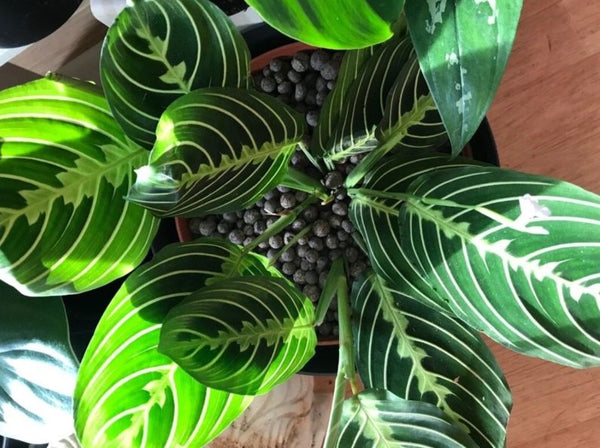
Q: Are Calathea plants toxic to cats and dogs?
A: No, Calathea plants aren’t toxic to cats and dogs. They are safe to grow in households with pets, and even if your pets nibble on a leaf, it won’t harm them. Calathea plants are also easy to care for; they boast lovely patterned leaves, making them a great choice for indoor spaces.
Q: Is Peperomia toxic to cats and dogs?
A: No, Peperomia isn’t toxic to cats and dogs. It’s safe for pets and won’t cause issues if they bite a leaf. These plants are easy to grow and don’t need a lot of care, which makes them great for pet owners. Even though they’re safe, ensure your pet doesn’t ingest large amounts of your Peperomia plants.
Q: Is Neanthe Bella Palm toxic to cats and dogs?
A: Yes, the Neanthe Bella palm, also called the Parlor Palm, is safe for both cats and dogs. It won’t cause discomfort to your pet if they touch or chew on it out of curiosity. This palm is easy to grow indoors, which makes it perfect for pet-friendly homes. Still, try to stop your pets from nibbling on the plant to avoid issues.
Conclusion
Hoya plants are non-toxic to cats and dogs, so they’re a safe and lovely choice for homes with pets. They’re also long-living, low-maintenance, and bloom beautifully with the right care. If you want to add more pet-safe greenery to your home, good companions for Hoyas include a self-watering Money Tree Plant, Spider Plant, Calathea Rattlesnake, and Watermelon Peperomia. They are all pet-friendly, easy to grow, and perfect for experiencing nature’s beauty at home.




I have a Hoya aff.Burtoniae I would like to know if it is safe for cats, is it a pet friendly plant? Thank you
Leave a comment