


How Often to Water Olive Tree: Tips and Tricks
The evergreen olive tree is easy to grow, even if you don’t have a green thumb. This plant is actually hardy and can adapt to harsh conditions. With a little attention and effort, it’s not really that difficult to grow and maintain your olive tree, even indoors. Ensure this gorgeous plant receives enough sunlight and grows in the right temperatures (hardy zones 8-11).

The evergreen olive tree is easy to grow, even if you don’t have a green thumb. This plant is actually hardy and can adapt to harsh conditions. With a little attention and effort, it’s not really that difficult to grow and maintain your olive tree, even indoors. Ensure this gorgeous plant receives enough sunlight and grows in the right temperatures (hardy zones 8-11).
For many new plant parents, it’s hard to master the right watering schedule when growing an olive tree for the first time.
How much water does an olive tree need?
The good news is you don’t need to guess. In our expert guide, you’ll learn everything that there is to know about olive trees' water needs, so you can have a delightful, healthy, and happy plant for years to come.
About Olive Trees

An olive tree (Olea Europaea ‘Mission’) is a timeless plant loved for its slim, silvery leaves and slow, graceful growth. Native to Mediterranean regions, it brings a warm, coastal vibe even when grown far from its homeland. You can grow it outdoors in warm, hardy zones (in the ground or on a porch) or keep it indoors in a sunny spot.
Do olive trees grow well in pots? Yes, they do, as long as they get good light and well-draining soil.
Olive trees symbolize peace, wisdom, and longevity, making them popular décor plants and much-loved gifts. They are famous for their air-purifying benefits, and while mildly toxic to pets, the risk is low with supervision. Their care level is moderate but manageable once you learn their needs, especially around watering. That brings us to an important question.
How often should you water olive trees?
How Much Water Do Olive Trees Need?
Olive trees like deep watering followed by drying time, i.e., instead of frequent small sips, give them water slowly until moisture reaches the roots. If kept indoors, check the soil weekly and water only when the top two inches are dry. Outdoors, natural rain helps, so you may water less often depending on the climate. The key is balance: enough water to reach roots but never soggy soil.
Important: Young olive trees need more frequent watering, while older ones become fairly drought-tolerant.
Do Olive Trees Need a Lot of Water?
Do olive trees take a lot of water? - Many plant enthusiasts wonder. Since olive trees are adapted to dry regions, they can survive on moderate watering once their roots develop. Too much water actually harms them by suffocating roots. As long as you let the soil dry between waterings, your olive tree will look healthy. Adjust your care routine based on the season, of course.
How Often to Water an Olive Tree

Should I water my olive tree every day? Not really. Watering frequency depends on the type of soil, season, temperature, light exposure, and climate. Another key factor is whether you grow your olive tree in a pot or outside in your yard. Still, daily watering can harm the roots of your olive tree, whether grown in a container or in the ground. Monitor and check the soil rather than following a strict routine and the calendar.
How Often Should I Water Olive Trees in Pots?
How often do you need to water an indoor olive tree? Olive trees in pots dry out faster than those growing in your garden. Check the top two inches of the soil twice a week and water only when it feels dry. Water your olive tree once every 5-7 days in the summer, while in winter, this may stretch to every 10-14 days.
How Often Should I Water an Outdoor Olive Tree?
Outdoor olive trees require watering every 2 to 3 weeks once they are established. Young trees need weekly watering in their first season. Adjust your care routine based on the amount and frequency of rainfall and the level of heat in the warmer seasons. If the soil is still moist below the surface, skip watering. Naturally hydrate the plant if the ground looks very dry. Following these steps will keep the roots strong and prevent stress from overly soggy or dry soil. Your olive tree will thrive, looking healthy and beautiful.
How to Water Olive Tree the Right Way

Watering olive trees is more about rhythm than routine. The goal is to water deeply, let the soil dry between waterings, and allow the roots to breathe. These Mediterranean houseplants don’t like wet feet.
How Do You Water an Indoor Olive Tree?
For indoor olive trees, water slowly and deeply until the water drains from the bottom of the pot. Then, wait until the soil becomes dry before watering again. Using the right soil mix is key; your olive tree thrives best in well-draining, loose soil. Ensure the pot has drainage holes so extra water can escape easily. Water less frequently in the winter when growth slows down.
Watering an Olive Tree in the Ground
Watering olive trees in the ground is relatively easy. Let a hose run gently at the base for several minutes to allow the moisture to reach deeper roots rather than staying near the surface. After watering, let the soil dry out before the next session. Mulch around the base to lock in moisture without touching the trunk, and adjust the watering frequency based on the amount of rainfall, heat, and soil type.
Olive Tree Watering: Extra Tips and Solutions

Even the most passionate plant lovers may get it wrong when watering their olive tree. It’s easy to give too much water out of care or too little because olives seem tough and are known to withstand spells of drought in their native habitat.
Can you overwater an olive tree? Absolutely. How do you know if an olive tree is underwatered? Your plant will let you know, that’s for sure.
To be fair, in both scenarios, you can expect similar indicators that something is wrong, such as leaf loss, drooping, discolored foliage, and root stress. Learning the tell-tale signs and solutions can help you ensure your tree stays healthy and lush all year.
How Do You Know If You Overwatered an Olive Tree?
What does an overwatered olive tree look like? Waterlogged soil can suffocate the roots of your olive tree. The leaves and the overall appearance of the plant will exhibit clear warning signs:
- Yellowing leaves that fall easily
- Mushy or soft soil that never dries
- Wilting despite watering
- Musty or sour smell from the pot
- Brown, soggy roots or fungus around the base
You may also see leaves curling inward or turning dull. Catching these symptoms early makes recovery easier.
How to Save an Overwatered Olive Tree
First, let the soil dry out fully before watering again. Adjust your watering routine and ensure the pot has proper drainage holes. Provide the plant with good airflow and sufficient light, and refrain from fertilizing until you notice the signs of recovery. In severe cases or if you suspect root rot, remove the tree from its pot and trim any soft, rotting roots. Then, repot in fresh, fast-draining soil.
What Does an Underwatered Olive Tree Look Like?
If you wonder how to tell if an olive tree is getting enough water, watch out for the following clear distress signals.
Common signs your olive tree needs water are:
- Leaves turning pale or dry at the tips
- Curling or downward-drooping foliage
- Crispy brown edges
- Slow or stunted new growth
- Dry, shrinking soil pulling away from the pot edges
How to Revive a Dry Olive Tree
Start by soaking the soil slowly until water drains through, giving the roots a proper drink. Trim crisp leaves and give the plant bright light, but avoid harsh sun for a few days. Continue to check the soil moisture every morning for the next week, watering again only when the top layer feels dry.
How Often to Water Olive Tree: FAQs
Q: How long can an olive tree go without water?
A: A healthy olive tree can go 2-3 weeks without water, especially if it has matured enough. Indoors, in pots, it dries out faster, so check the soil weekly. If the soil feels and looks too dry, it’s time to water. Younger trees need more frequent watering care, since their roots hold less moisture for longer and stress shows up quicker.
Q: How do I keep my olive tree happy?
A: Give your olive tree bright sunlight, well-draining soil, and a balanced watering schedule. Feed lightly in spring, rotate the pot for even growth, and prune to shape it. Most importantly, avoid soggy soil, since olives prefer a little dryness over being constantly wet.
Q: Should you mist an olive tree?
A: No, misting isn’t needed for olive trees. They enjoy dry air, and misting can raise humidity too much or invite leaf spot. Instead, focus on watering but less often, and keep good airflow around the leaves. If indoor air is dry in winter, place a small pebble tray nearby rather than misting directly.
Q: Are olive trees better in pots or in the ground?
A: Both work nicely, but pots give better control indoors or in colder regions because you can move them inside in the cooler months. Ground-grown trees thrive in warm climates where they can spread roots freely.
Q: Are olive trees low-maintenance?
A: Yes, olive trees are generally easy-going as long as you give them light, good drainage, and infrequent watering once established. They don’t demand frequent feeding, tolerate dry spells, and handle pruning well.
Conclusion
Caring for an olive tree is mostly about balance between providing bright light, loose well-draining soil, and a proper olive tree watering schedule that lets the soil dry slightly before you water again. Once you learn its rhythm and understand its needs, your indoor olive tree will reward you with its vibrant and healthy look.
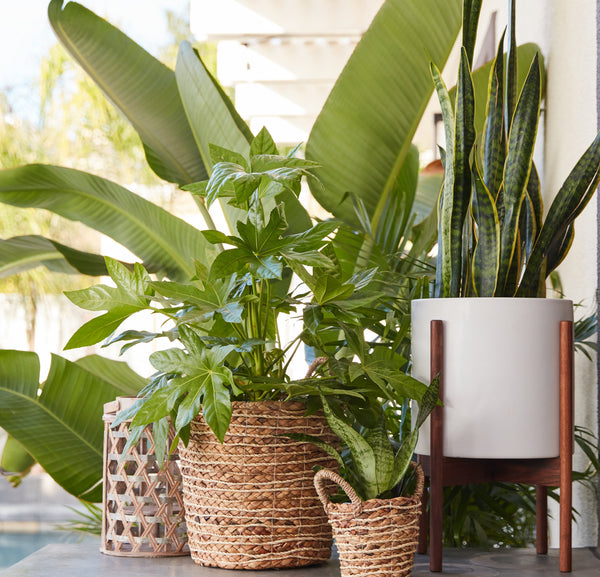
If you want to style your space and transform it into a green oasis, pair your indoor olive tree with drought-tolerant companions, such as Dracaena and Sansevieria, or aromatic holiday favorites like Lavender and the Rosemary tree. They share similar needs and look stunning together in any home.



I just ordered medium size olive trees. Can you please tell me the size of the pot they will arrive in?
Leave a comment