


Types of Snake Plants: Best Sansevieria Varieties to Buy
If you want one simple answer, start with Sansevieria Zeylanica for a first snake plant or a lower-light bedroom, choose Futura Superba for a desk or smaller space, pick Variegated Laurentii when you want classic yellow-edged foliage, and choose Moonshine when a pale silver-green modern look matters most.

If you want one simple answer, start with Sansevieria Zeylanica for a first snake plant or a lower-light bedroom, choose Futura Superba for a desk or smaller space, pick Variegated Laurentii when you want classic yellow-edged foliage, and choose Moonshine when a pale silver-green modern look matters most.
Snake plants are among the most forgiving houseplants because they tolerate infrequent watering, dry indoor air and a wider range of light than many tropical houseplants. “Low light,” however, does not mean no light. Growth will usually be slower in dim spaces, and variegated or silver varieties tend to show their best color with usable indirect light.
Start with the Snake Plants collection if you want to compare the current Lively Root assortment before choosing a specific variety.
Quick Answer: Which Snake Plant Variety Should You Buy?
Choose Sansevieria Zeylanica if you want the easiest all-around starting point with classic green banding. Choose Variegated Sansevieria Laurentii if yellow margins and a more graphic look are the priority. Choose Sansevieria Moonshine for silver foliage and a contemporary palette. Choose Sansevieria Futura Superba when you need a shorter, broader form for a desk or tighter footprint. Choose Superba Green when you want a larger, darker green statement plant. If you want multiple classics at once, the Snake Plant Collection combines Laurentii and Zeylanica plants in one bundle.
|
Variety |
Typical height |
Leaf look |
Light tolerance |
Best use |
Current Lively Root option |
|
Zeylanica |
Medium-tall |
Green horizontal banding |
Low to bright indirect |
First plant; bedroom; floor plant |
|
|
Laurentii |
Medium-tall |
Green banding + yellow margins |
Low to bright indirect |
Classic variegation; bedroom; office |
|
|
Moonshine |
Short-medium |
Pale silver-green |
Low to bright indirect; best color with more light |
Modern interiors; silver foliage |
|
|
Futura Superba |
Compact-short |
Broad green leaves + gold edging |
Low to bright indirect |
Desk; shelf; small space |
|
|
Large/tall |
Broad deep-green foliage |
Low to bright indirect |
Floor plant; statement foliage |
Superba Green Snake Plant |
|
|
Multiple compact plants |
Laurentii + Zeylanica mix |
Low to bright indirect |
Bundles; gifting; multi-room use |
What Counts as a Snake Plant? Sansevieria vs Dracaena Explained
The name “Sansevieria” is still widely used by nurseries, retailers and plant owners, but many of the plants historically sold in the Sansevieria genus are now classified botanically within Dracaena. NC State Extension lists the common snake plant as Dracaena trifasciata and notes that it was previously known as Sansevieria trifasciata.
For shopping and search behavior, both names matter. A shopper looking for a “Sansevieria plant” and a shopper looking for a “Dracaena snake plant” may be referring to the same familiar group of upright, drought-tolerant houseplants. This guide uses the common retail variety names shoppers will recognize while acknowledging the updated Dracaena classification where useful.
Best Snake Plant Varieties to Buy
Sansevieria Zeylanica: best overall for beginners and low-light rooms
Sansevieria Zeylanica is the most straightforward all-around recommendation for many buyers. Its upright leaves have dark and medium-green horizontal banding without the bright yellow margins found on Laurentii. The result is a classic snake plant that fits bedrooms, offices, living rooms and entryways without demanding a specific decor style.
Zeylanica can tolerate lower light, but it will still grow better with usable indirect light. Let the potting mix dry thoroughly between waterings. For a first-time plant owner who wants resilience without a highly variegated look, Zeylanica is usually the best place to start.
Variegated Sansevieria Laurentii: best classic yellow-edged snake plant
Variegated Sansevieria Laurentii is the snake plant many people picture first: tall sword-shaped leaves with green banding and strong yellow edges. It is an easy way to add more contrast than Zeylanica while keeping the same upright architectural profile.
Laurentii tolerates lower light, but brighter indirect light generally helps maintain stronger variegation. Choose it for a bedroom corner, office, entry or floor placement where the yellow margins can stand out. If your room is very dim and foliage color matters less than resilience, Zeylanica is the simpler pick.
Sansevieria Moonshine: best modern silver foliage
Sansevieria Moonshine stands out because its leaves are broad, upright and noticeably paler than most snake plants. The silver-green color works especially well in modern, minimalist and neutral interiors.
Moonshine is still a low-maintenance snake plant, but its best silver color is easier to appreciate when the plant gets medium to bright indirect light. In lower light it can survive, but new growth may look greener and less silvery. Buy Moonshine when foliage color and design impact are more important than maximum tolerance for a dark corner.
Sansevieria Futura Superba: best for desks and smaller spaces
Sansevieria Futura Superba has the same general striped and variegated look buyers associate with larger snake plants, but in a shorter and broader form. That makes it useful for desks, credenzas, side tables, shelving and smaller apartments where a tall floor plant would overwhelm the space.
Futura Superba is also a strong gift plant because it combines a compact footprint with forgiving care. It can tolerate lower light and missed waterings, but a desk with some ambient or indirect light is still better than a completely dark workspace.
Superba Green Snake Plant: best large dark-green statement option
Superba Green is the strongest choice in the current lineup for a shopper who wants broad, upright, dark-green foliage and a larger visual presence. It works well as a floor plant or architectural accent in an office, living room or bedroom.
Choose Superba Green if you want the easy-care behavior of a snake plant without prominent yellow variegation. Its darker foliage can fit more neutral or minimal interiors while still creating a strong vertical shape.
Snake Plant Collection: best if you want multiple classic varieties
The Snake Plant Collection is the practical option for someone who wants to compare or decorate with multiple snake plants instead of buying one variety. The current bundle combines Laurentii and Zeylanica, giving you both yellow-edged and green-banded foliage.
A bundle works especially well for offices, multi-room homes, gifting, or anyone building a coordinated plant grouping. If you are trying to learn which style you prefer before buying a larger specimen, a collection can also be an efficient entry point.
Zeylanica vs Laurentii: What Is the Difference?
The main visible difference is variegation. Zeylanica has green and gray-green horizontal banding without yellow margins. Laurentii adds yellow outer edges, making it brighter and more graphic.
For care, the two are similar: both are drought tolerant, both prefer a fast-draining potting mix, and both should be allowed to dry between waterings. Both tolerate low light, but Laurentii benefits from brighter indirect light if you want to preserve stronger yellow variegation.
Choose Zeylanica if you want a darker, more understated plant or the safest first purchase for a dimmer room. Choose Laurentii if you want stronger color contrast and have enough ambient or indirect light to show it off.
Moonshine and Other Silver or Modern Snake Plant Varieties
Moonshine is the main silver-toned option in the current Lively Root snake plant assortment. Its pale foliage creates a much different look from dark Zeylanica, yellow-edged Laurentii or green Superba varieties.
Other modern-looking snake plants can include highly architectural Cylindrica types, Black Coral forms, very dark Black Diamond selections and sculptural Whale Fin varieties. Availability changes, so these are better treated as collector references unless a current product page is available.
For a modern room where silver color matters most, choose Moonshine. For a darker or more dramatic modern space, Superba Green offers a current shoppable alternative with deeper foliage.
Compact Snake Plant Types for Desks and Small Spaces
Futura Superba is the strongest current recommendation for a desk or smaller surface because it stays visually compact compared with taller classic forms. It delivers the familiar snake plant pattern without needing the vertical clearance of a large Laurentii or Zeylanica.
Bird’s Nest or Hahnii snake plants are also worth knowing. These varieties form shorter rosettes rather than long upright swords and are often chosen for desktops, shelves and small planters. They are useful search-intent coverage, but they should not get a product CTA unless Lively Root has a current live PDP at publication.
A compact snake plant still needs light. In an office, place it where it receives natural indirect light or consistent usable artificial light rather than assuming it can thrive indefinitely in a dark cubicle.
Tall Snake Plant Varieties for Bedrooms, Offices and Floor Placement
Laurentii and Zeylanica are the most straightforward tall classic choices. Their vertical leaves create height without taking up much horizontal space, which makes them useful beside a dresser, near an office wall, in a bedroom corner or in a narrow floor-plan gap.
Superba Green is a strong alternative when you want a darker green statement plant. Moonshine can also work as a floor accent when purchased in a larger size, especially in brighter rooms where its silver color reads clearly.
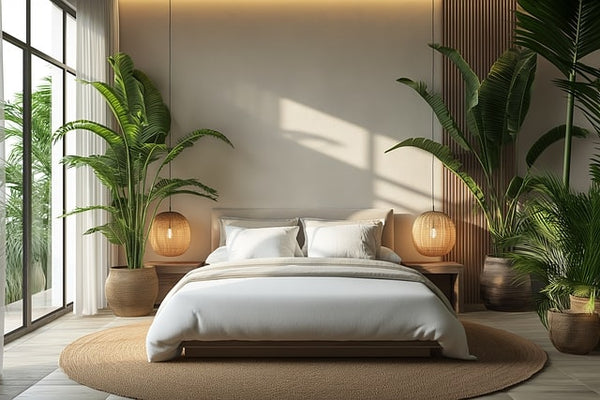
For bedroom shoppers, the deciding factor should be light, floor space, pets and care routine rather than generalized sleep or air-purification claims. Browse Bedroom Plants if you want to compare snake plants with other varieties suited to bedroom conditions.
Best Snake Plant Varieties for Beginners and Lower-Light Spaces
For a beginner, choose Zeylanica first, Laurentii second, and Futura Superba if available space is limited. All three tolerate occasional neglect better than many moisture-sensitive tropical plants.
For lower-light spaces, start with Zeylanica or Laurentii. Snake plants can tolerate low light, but they still need enough light to maintain normal plant function. NC State Extension notes that Dracaena trifasciata tolerates very low light while also emphasizing well-drained soil and careful watering.
Lower light also means slower soil drying. That makes overwatering more likely, not less. Use the snake plant watering guide if you need help deciding when to water, and compare other Low Light Plants if the room has unusually limited natural light.
Rare or Collector Snake Plant Varieties Worth Knowing
Whale Fin Snake Plant
Whale Fin, commonly associated with Dracaena masoniana, is known for a single or small number of very broad paddle-like leaves. Its shape is dramatically different from the narrow sword-like leaves of common snake plants.
Cylindrica
Sansevieria cylindrica, now often classified as Dracaena angolensis, produces round, spear-like leaves rather than flat blades. It is one of the most architectural snake plant forms.
Bird’s Nest / Hahnii
Bird’s Nest snake plants grow in compact rosettes and are ideal for small spaces. Golden Hahnii types add yellow variegation around a shorter rosette form.
Black Coral and Black Diamond
These darker cultivars are valued for deep green foliage and stronger contrast. They can be excellent collector choices when stocked, but avoid sending shoppers to sold-out PDPs.
These varieties are useful to mention because they answer broader “rare snake plant varieties” and “snake plant types” searches. Keep the shopping CTAs focused on live inventory.
Are Snake Plants Toxic to Cats and Dogs?
Yes. Snake plants are not considered pet-safe if ingested. The ASPCA lists snake plant as toxic to dogs and cats because it contains saponins and notes possible clinical signs including nausea, vomiting and diarrhea.
If you have a pet that chews plants, place snake plants well out of reach or choose a non-toxic alternative instead. For a deeper explanation, use Lively Root’s snake plant toxicity guide.
This is an important buying consideration because snake plants are often recommended for bedrooms and floors, which can put leaves directly within reach of cats or dogs.

How to Choose the Right Snake Plant Size, Pot and Placement
Choose size based on where the plant will live
For a desk, shelf or small side table, start with Futura Superba or another compact form. For a floor plant or narrow corner, choose a taller Zeylanica, Laurentii or Superba Green. Match the purchased size to the available vertical and horizontal space rather than relying only on the cultivar’s mature potential.
Choose a pot with drainage
Snake plants store water in thick leaves and rhizomes, so they are much more likely to be harmed by staying wet than by drying out briefly. Use a pot with functional drainage and do not oversize the container unnecessarily. The Sansevieria Care Guide has the full care process.
Match the variety to available light
Use Zeylanica or Laurentii when lower-light tolerance is important. Choose Moonshine when you can provide stronger indirect light and want the clearest silver color. For a desk or office, compare the room with Lively Root’s Office Plants collection before choosing the plant size.
Decide between one plant and a bundle
Buy an individual plant when you already know the foliage style and placement you want. Choose the Snake Plant Collection when you want multiple plants, want both Laurentii and Zeylanica, or are outfitting several rooms or office areas at once.
Snake Plant FAQs
Which snake plant variety is best for a low-light bedroom?
Zeylanica is the strongest all-around recommendation because it has classic green foliage, tolerates lower light and does not depend on bright variegation for its look. Laurentii is another good choice if you want yellow margins. No snake plant should be placed in a room with effectively no usable light.
Which snake plant is best for an office desk?
Futura Superba is a strong desk choice because its shorter, broader form delivers a classic snake plant look without the height of a large floor specimen. Give it some ambient natural or artificial light and allow the soil to dry between waterings.
Which snake plant is best for a first-time plant owner?
Zeylanica is the safest first choice. It is visually classic, adaptable and forgiving of missed waterings. Laurentii is similarly easy if you prefer variegated yellow edges.
What is the difference between Zeylanica and Laurentii?
Zeylanica has green and gray-green horizontal banding. Laurentii has similar banding plus yellow leaf margins. Care is very similar, but brighter indirect light helps Laurentii maintain stronger variegation.
Is Moonshine a low-light snake plant?
Moonshine can tolerate lower light, but its silver coloration tends to be more visually distinct with medium to bright indirect light. Choose it primarily for its foliage color, not because it is the best plant for the darkest room.
Are Sansevieria and Dracaena the same thing?
Many plants historically sold as Sansevieria have been reclassified botanically within Dracaena. Retailers and plant owners still commonly use Sansevieria because the name remains familiar. Both terms are useful when researching or shopping for snake plants.
Are snake plants toxic to pets?
Yes. The ASPCA lists snake plant as toxic to cats and dogs if ingested. Keep it out of reach of pets that chew foliage and consider pet-safe alternatives when access cannot be controlled.
What are some rare snake plant varieties?
Collector varieties commonly searched include Whale Fin, Cylindrica, Bird’s Nest or Hahnii types, Black Coral and Black Diamond. Inventory changes frequently, so check the current Snake Plants collection before expecting a specific rare cultivar.
Shop Snake Plant Varieties
The best snake plant depends on your space more than on a universal ranking. Start with Zeylanica for the easiest all-around choice, Laurentii for classic yellow-edged variegation, Moonshine for silver foliage, Futura Superba for a compact desk plant, or Superba Green for a larger dark-green statement.
Shop Snake Plants to compare current varieties and sizes, or browse Low Light Plants, Easy House Plants, Bedroom Plants and Office Plants if you want to compare snake plants with other options for the same room or care level.




Leave a comment