


Best Bedroom Plants by Light, Care Level, and Pet Safety
What plants are best for a bedroom with low light or pets, and do any actually improve sleep?
The best bedroom plant is one that fits the light reaching its leaves, the space available, your care routine, and your pets. A Neanthe Bella Palm can suit a smaller indirectly lit spot, while a Money Tree works better beside brighter filtered light; Spider Plants and Red Prayer Plants offer other non-toxic choices for cats and dogs. Choose greenery you enjoy looking at without expecting a particular plant to improve your sleep.

What plants are best for a bedroom with low light or pets, and do any actually improve sleep?
The best bedroom plant is one that fits the light reaching its leaves, the space available, your care routine, and your pets. A Neanthe Bella Palm can suit a smaller indirectly lit spot, while a Money Tree works better beside brighter filtered light; Spider Plants and Red Prayer Plants offer other non-toxic choices for cats and dogs. Choose greenery you enjoy looking at without expecting a particular plant to improve your sleep.
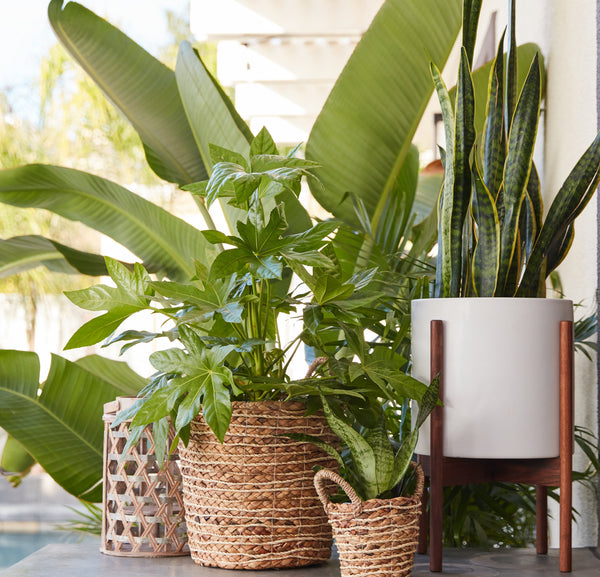
Start with the location before the shopping list. A nightstand beside a window has different growing conditions from a dresser across the room, even when both sit in the same bedroom. Our bedroom plants collection includes compact, trailing, and larger options. The comparisons below will help you choose a suitable shape and size, then work out how it fits into your everyday routine.
Find the right plant for your bedroom setup
Use the table to compare both the plant and its intended location. Care levels describe the relative attention involved, not a fixed watering schedule. “Non-toxic” refers to cats and dogs and does not mean that plants should be eaten.
If the intended position receives no usable daylight, assess supplemental lighting before choosing a plant. A grow light needs to suit the plant and location; an ordinary bedside lamp is not automatically a substitute.
Best bedroom plants overall
For a small room, start with Neanthe Bella Palm and Spider Plant. Both offer a softer outline than a tree-like plant, and the right purchased size can fit on furniture without occupying the floor. Neanthe Bella Palm is worth considering when the room has moderate indirect light; Spider Plant is a useful option for a brighter shelf or dresser edge.
For a larger room with bright indirect light, consider a Money Tree. Its trunk and canopy create a focal point without the trailing stems of a vine. Measure the available width as well as height, because “floor plant” describes the position, not a promise that the plant will fit any unused corner.

Best small plants for nightstands and dressers
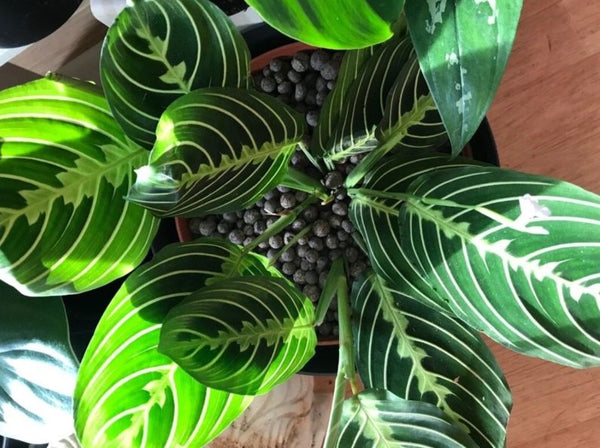
Red Prayer Plant for patterned foliage
A Red Prayer Plant brings patterned leaves to a dresser where you can see them up close. It prefers medium-to-bright indirect light and a more consistent moisture routine than a drought-tolerant plant. Keep it away from hot air vents and strong direct sunlight. Its leaves move with changes between day and night, but that movement should not be mistaken for a benefit to human sleep. Allow room for the foliage to spread, and check the dimensions of the available plant before assuming it will fit a narrow nightstand.
Spider Plant for a dresser edge
Choose a Spider Plant for arching foliage that can extend beyond the edge of a surface. A dresser often gives it more room than a tightly packed bedside table. Position it in bright indirect light and use a planter that drains. As plantlets develop, make sure they do not hang against lamps, drawers, or charging cables. The ASPCA lists Spider Plant as non-toxic to cats and dogs, although the dangling leaves may be tempting to pets.
Neanthe Bella Palm for a compact bedside display
A smaller Neanthe Bella Palm can suit a side table with usable indirect light. The fine fronds add texture without requiring the large leaf span of a Monstera. Leave a little clearance around the foliage and check that you can lift the pot without catching the fronds on a lampshade. Moderate indirect light is a useful starting point, and the plant can tolerate less. It is also a non-toxic choice for cats and dogs. Check the mix regularly and allow excess water to drain completely.
Baby Rubber Plant for a smaller footprint
The Variegated Baby Rubber Plant is a practical option when you want rounded foliage on a limited surface. Bright indirect light suits its variegated leaves, and its compact habit can be easier to accommodate than a spreading palm. Avoid overwatering and leave enough access to check the potting mix. This plant is Peperomia obtusifolia, which the ASPCA includes among pet-friendly houseplants. It is different from the larger Ficus rubber tree. Browse Small Plants to compare available sizes.
Best bedroom plants for shelves and trailing displays
Golden Pothos for a shelf with room below
A Golden Pothos can trail from a shelf rather than occupy floor space. Place it where the leaves receive indirect light and where you can reach the container for watering. Keep vines clear of curtains, doorways, and electrical cords. Pothos can tolerate lower light, but growth may become slower or less compact. It is toxic if eaten, so do not assume that putting it on a high shelf makes it suitable for a cat that climbs. A Spider Plant may be the better match in that situation.
English Ivy for a cooler bedroom
English Ivy is worth considering for a cooler room with bright indirect light and space for trailing growth. Keep the pot accessible and inspect the foliage during routine care, particularly when indoor air is dry. It needs more attention than simply placing it on a shelf and forgetting it. English Ivy is toxic to cats and dogs if eaten. Choose it when you can provide a suitable, controlled position; use a non-toxic alternative if pets are likely to reach it.
Best floor plants for larger bedrooms
Money Tree for an upright focal point
A Money Tree works well where a bright window provides filtered light and the canopy has room to expand. Choose the size according to the space you have now, allowing for growth. A small plant on a sturdy side table creates a different effect from a larger specimen beside a dresser. Check the soil before watering and avoid leaving water in the decorative outer pot. Money Tree is listed as pet-safe by Lively Root, but it should still be kept away from persistent chewing and rough play.
Areca Palm for a fuller silhouette
An Areca Palm has arching fronds that suit a larger bedroom with bright indirect light. Measure the width around the intended position so the leaves do not brush against bedding or block a path. Watch for changes caused by dry air from heating or air conditioning. The ASPCA lists Areca Palm as non-toxic to cats and dogs. Choose a stable pot and a location where pets cannot tip the whole plant over.
Peace Lily for foliage and flowers
A Peace Lily plant can fit on a broad side table or the floor, depending on the purchased size. Give it indirect light and check the potting mix before it becomes severely dry. A brighter indirect position is more promising for flowers than a dark corner. Peace Lily is toxic to cats and dogs, so choose another plant for a bedroom where animals can reach it. Its flowers and foliage are the reason to buy it; do not rely on it as an air-cleaning device.
Boston Fern for a plant stand
A Boston Fern makes a full display when its fronds can spill over a stand or hanging planter. It is best for someone willing to check moisture and humidity, especially in a bedroom that becomes dry during the heating season. Bright indirect light supports its growth. Its greater care demands can make it a less suitable first choice for someone who travels often. The ASPCA includes Boston Fern among pet-friendly houseplants, but place it where animals cannot pull at the hanging foliage.
|
Plant |
Bedroom position |
Window and light |
Care level and need |
Cats and dogs |
Shop by need |
|---|---|---|---|---|---|
|
Nightstand or side table |
Medium indirect; tolerates less |
Moderate; check moisture |
Non-toxic |
||
|
Dresser with room to spread |
Medium–bright indirect |
Attentive; steady moisture |
Non-toxic |
||
|
Dresser edge or shelf |
Bright indirect |
Easy; avoid soggy soil |
Non-toxic |
||
|
Compact nightstand |
Bright indirect |
Easy; let topsoil dry |
Non-toxic |
||
|
Shelf with trailing space |
Medium–bright indirect; tolerates less |
Easy; check soil first |
Toxic if eaten |
||
|
Shelf in a cooler room |
Bright indirect |
Moderate; inspect foliage |
Toxic if eaten |
||
|
Floor or broad side table |
Near bright filtered light |
Moderate; avoid wet soil |
Non-toxic |
||
|
Floor with frond clearance |
Bright indirect |
Moderate; watch dry air |
Non-toxic |
||
|
Side table or floor |
Medium–bright indirect |
Moderate; avoid prolonged drying |
Toxic if eaten |
||
|
Plant stand or hanging pot |
Bright indirect |
Attentive; moisture and humidity |
Non-toxic |
Which bedroom plants suit homes with pets?
Useful options include Spider Plant, Neanthe Bella Palm, Areca Palm, Boston Fern, Money Tree, Red Prayer Plant, and Baby Rubber Plant. Check the exact species as well as the common name. A “palm” or “rubber plant” label alone is not enough to establish pet safety.
Peace Lily, Golden Pothos, and English Ivy belong outside the non-toxic shortlist. If your pet sleeps in the bedroom and can reach your plant display, choosing a non-toxic species is usually more practical than relying on a supposedly inaccessible shelf. Even non-toxic foliage can cause digestive upset when chewed. Our pet-safe indoor plants guide and Pet Friendly Plants collection can help you compare options.

How to match a plant to your bedroom light
Look at the light where the leaves will sit. Window direction is a useful clue, but curtains, nearby buildings, trees, and distance from the glass can change the result. In the Northern Hemisphere, north-facing windows often provide gentler light, east-facing windows may receive morning sun, and south- or west-facing windows may need filtering for plants that dislike strong direct sunlight. Observe your own room before deciding.
Blackout curtains matter too. A room that is bright with the curtains open may be dim for most of the day if they stay closed. Reassess the position as seasons change, and avoid treating an empty corner as suitable simply because it looks attractive.
For a lower-light bedroom, begin with a smaller shortlist such as Neanthe Bella Palm or Golden Pothos, while accounting for pets. The Low Light Plants collection offers more options. For detailed placement guidance, read Best Low-Light Indoor Plants for Apartments, Offices, and Bedrooms.
Do bedroom plants improve sleep or air quality?
A plant can make a room more pleasant to look at, but buying a particular species should not come with a promise of better sleep or a useful overnight oxygen boost. Choose greenery for the appearance and care routine you enjoy.
For air quality, Cummings and Waring's review found that typical potted-plant arrangements do not provide meaningful air cleaning in buildings. The EPA's indoor-air guidance focuses on pollution sources, ventilation, and filtration. You can still enjoy plants from the Breath of Fresh Air collection as living décor while using those established measures for indoor-air concerns.
Simple care and placement tips
Water according to the plant and the condition of its potting mix, not a universal weekly schedule. Lower light, different pot sizes, and seasonal changes affect how quickly the mix dries. Use drainage holes, empty collected water, and protect wooden furniture with a suitable tray or outer pot that you can inspect.
Keep leaves away from heating and air-conditioning vents, cold drafts, and direct contact with window glass. Leave room to open drawers, move curtains, and walk around the bed. A plant that is awkward to reach is also harder to care for. Check the underside of leaves during routine inspections, remove dead plant material, and reassess the position if growth becomes stretched or foliage starts to scorch.
Frequently asked questions
Is it okay to keep plants in a bedroom?
Yes, provided the plant suits the light, temperature, and household. Use stable containers, protect surfaces from water, and consider pets and children. Choose plants as décor you can care for, without expecting them to treat sleep or indoor-air problems.
Which bedroom plants are non-toxic to cats and dogs?
Spider Plant, Neanthe Bella Palm, Areca Palm, Boston Fern, Red Prayer Plant, Money Tree, and Baby Rubber Plant are options to compare. Confirm the exact species and keep even non-toxic plants away from repeated chewing.
What can I grow in a bedroom with very little light?
Some plants tolerate lower light, but all need usable light to grow. Neanthe Bella Palm may suit a moderately dim position, while Golden Pothos is an option where pet access is controlled. Consider supplemental lighting if the room lacks daylight.
Can bedroom plants help me sleep?
You may enjoy the look of plants as part of a relaxing bedroom, but no plant in this guide is recommended as a proven sleep aid. Base your purchase on the growing conditions and the kind of greenery you enjoy.
Which plants fit on a small nightstand?
A small Baby Rubber Plant or Neanthe Bella Palm may work if there is suitable indirect light. Measure the available surface, check the size being sold, and leave room for your lamp, everyday items, and future growth.
Choose a plant for your space and routine
The right bedroom plant belongs comfortably in your room: it receives suitable light, leaves you room to move, and fits the care you can provide. Explore Bedroom Plants and choose a size and growing habit that work for your home.




Leave a comment