













Popular Collections
Elevate Your Indoor or Outdoor Space With Heat-Tolerant Full Sun Plants
Bright light plants are some of the best choices for sunny rooms, warm patios, and south-facing windows. This houseplant collection includes plants that enjoy full sunlight as well as plants that do best in bright indirect light. The key is matching the plant to your space. Some tropical plants can handle strong sun once they adjust, while others need bright light without harsh afternoon rays.
Select the Best Plants for Full Sun and Heat
To choose the best high sun plants for your home or porch, focus on some of the following factors:
- Light conditions vs. seasons: Some spaces may have varying light conditions during different seasons; place plants that do well in full sun where they’ll get sufficient light throughout the year, like a sunroom.
- Direction of windows: For indoor plants that like direct sunlight, choose a place near a south-facing window for maximum sun exposure.
- Full-sun exposure: A full-sun site generally receives at least six hours of direct sunlight per day. Notice whether the space gets gentler morning sun or intense afternoon sun because containers can become hotter and lose soil moisture faster later in the day.
- Climate: When choosing container plants for full sun, consider temperature, humidity, and rainfall, not just sunlight. Olive trees, for example, are adapted to a Mediterranean climate with hot, dry summers, while many tropical plants need more humidity. Select drought-tolerant plants for warm, dry conditions, and plan where to overwinter your plants in colder climates.
- Hardiness zones: For outdoor plants that like direct sunlight, check the USDA Plant Hardiness Zone Map to see which full sun tropical plants can thrive in your state’s climate.
- Room size: Compact choices, like succulents, are ideal for small spaces, while large, high light plants, like full sun palms or Monstera varieties, can make a statement in more spacious rooms.
- Lifestyle: Choose beginner house plants if you travel a lot or are new to plant care. Consider getting pet-friendly plants for full sun if you own a cat or a dog.
Explore Our Collection of Plants That Like Direct Sunlight
Sago Palm (Cycas revoluta)
- Distinct features: The Sago Palm has a low, sturdy trunk and glossy, palm-like fronds. Indoors, it prefers bright, filtered sunlight rather than harsh direct rays. In warm climates, it can be used on patios when the exposure is appropriate, but it should not be positioned as an all-day full sun houseplant.
- Level of care: Easy
- Toxicity: Highly toxic if ingested by people or pets.
Lemon Yellow Miniature Roses (Rosa chinensis minima)
- Distinct features: The Lemon Yellow Miniature Roses are enchanting, small roses that grow on a compact bush with glossy foliage. Miniature roses will elevate any well-lit space and are some of the best flowering plants for full sun.
- Level of care: Relatively easy
- Toxicity: Pet-friendly
Bromeliad Neoregelia (Neoregelia Bromeliad)
- Distinct features: The Bromeliad Neoregelia is a compact bromeliad with colorful inner leaves and small blue or white flowers. It is an easy-care bright-light plant, but it needs bright indirect light rather than direct sunlight.
- Level of care: Easy
- Toxicity: Pet-friendly
Lipstick Plant (Aeschynanthus radicans)
- Distinct features: Lipstick Plants are cascading creepers that blossom with red, tube-like flowers. They are stunning bright-light hanging plants for spaces protected from harsh afternoon rays. Place them in bright, indirect light because direct sun can scorch their leaves.
- Level of care: Relatively easy
- Toxicity: Pet-friendly
Full Sun vs. Bright Indirect Light
Full sun: six or more hours of direct sunlight a day. Suits patios, balconies and south-facing windows after a few days of gradual acclimation. Signs it is not getting enough: slow growth, faded color, no blooms.
Bright indirect: a well-lit spot where the direct rays are filtered by a sheer curtain or softened by distance from the glass. Signs it is getting too much: faded patches, brown spots, crispy edges.
Best Heat-Tolerant Plants for Full Sun and Heat
Plants that can take full sun all day are usually varieties adapted to strong light, warmer temperatures, and faster moisture loss. For a full-sun site, begin with plants whose care guidance explicitly recommends direct light, then acclimate them over several days. Container size, airflow, and climate still affect how well each plant handles summer heat. Good options from Lively Root include:
- Lemon Yellow Miniature Roses: Flowering plants that perform best with six to eight hours of full sunlight.
- Indoor Olive Tree: A sun-loving tree adapted to hot, dry summers and well-draining soil.
- Ponytail Palm: A drought-tolerant plant that stores water in its enlarged trunk and grows well in a sunny window.
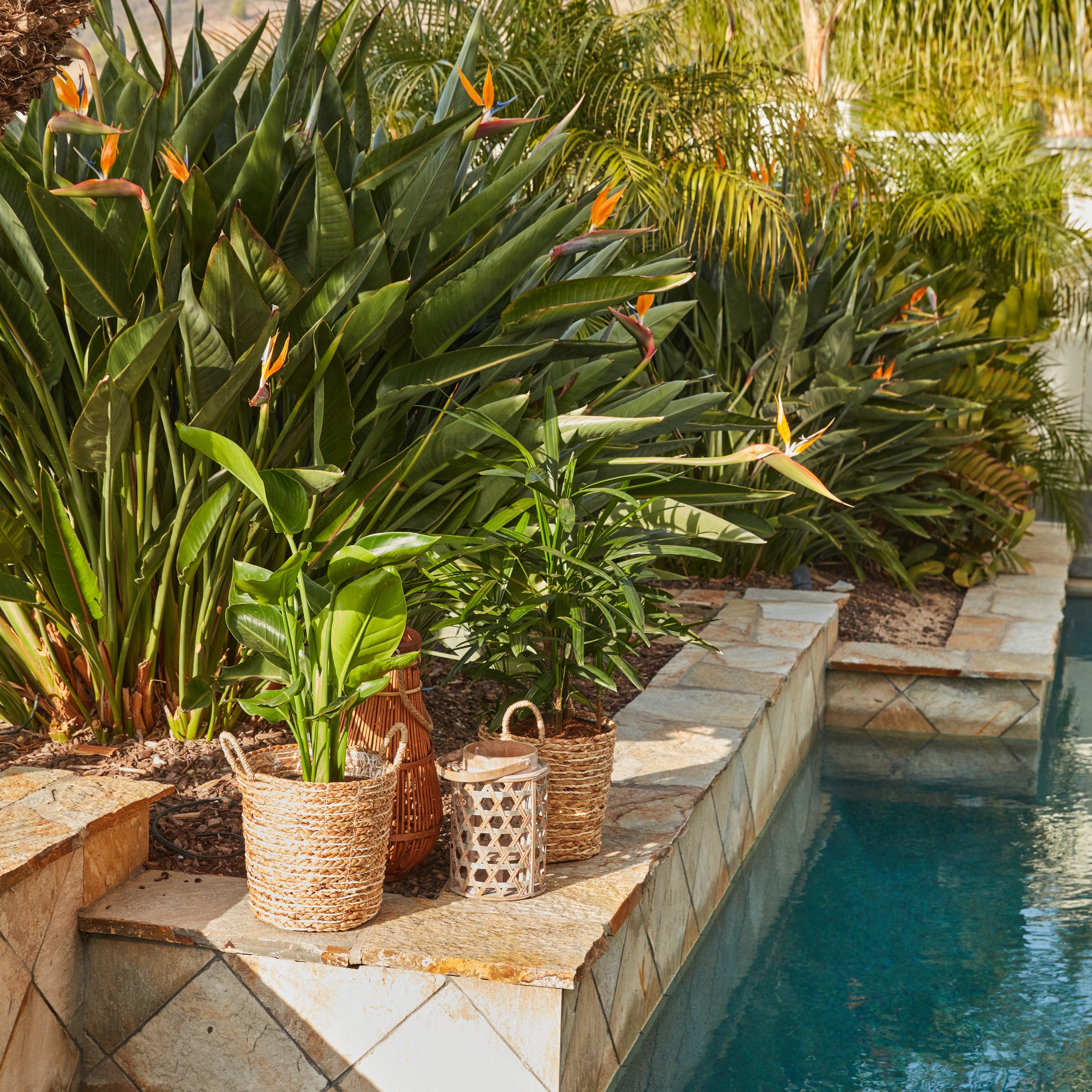
- Giant Bird of Paradise: A large statement plant that can adapt to strong light when introduced gradually.
- Petra Croton: A colorful tropical plant whose foliage performs best in strong light, with some direct sun after acclimation.
NC State Extension recommends a sunny window and well-drained soil for Ponytail Palms and notes that established olive trees perform well in full sun with hot, dry summers. Learn more about Ponytail Palms and olive trees.
Direct Sunlight Plants: Care & Maintenance Guide
Many full sun houseplants are easy to care for, especially once they are matched to the right exposure and watering routine. However, direct sunlight can dry container soil faster, particularly during summer or a heat wave. Check soil moisture regularly, make sure excess water can drain, and watch for changes such as curled leaves, faded color, or crispy edges. These signals can help you adjust the plant’s light or watering before lasting damage occurs.
- Light: Ensure you provide sufficient lighting for your direct sunlight plants. Supplement your greenery with grow lights in the darker months if you live in a colder climate.
- Watering: Check soil moisture before watering. Water your direct light indoor plants thoroughly and let the excess water drain. Plants in a full-sun site may need to be checked more frequently, but they should not remain constantly wet.
- Temperature and humidity: Many plants that like full sun prefer slightly warmer temperatures, so ensure you keep them away from drafts. Mist plants regularly if they prefer high humidity.
- Soil, repotting, and feeding: Provide well-draining but nourishing soil for plants that need direct sunlight, and repot every 1-2 years. Most full sun plants for pots, especially blooms, require regular feeding with a balanced fertilizer in the growing season to thrive.
- Pruning and common issues: Trim any damaged or yellowing leaves and check regularly for pests. Check the soil regularly to prevent overwatering or underwatering your plants. Also, remember that many full-sun flowering plants won’t bloom in insufficient light.
Shop Full Sun Plants for Your Indoor or Outdoor Space
Every plant in this collection ships from our farm with its light requirement on the label, so you know before it arrives whether it wants a south-facing window or a spot a few feet back from one.
Bright Light Plants FAQ
What plants can take full sun all day?
Plants that can take full sun all day include: Miniature roses, Indoor olive trees, Ponytail palms, Bird of paradise, Sun-tolerant croton varieties. Choose varieties whose individual care instructions recommend direct sunlight. Even sun-loving plants should be introduced to intense afternoon sun gradually, especially when moving them from a greenhouse or indoor location to an outdoor full-sun site.
What is bright indirect light?
Bright indirect light means the space is well lit, but direct rays are filtered, softened, or prevented from hitting the leaves during the hottest part of the day. A sheer curtain, covered porch, or position a few feet back from a sunny window can create bright indirect light. This exposure is better for plants such as Bromeliad Neoregelia and Lipstick Plant.
Can direct sun cause leaf burn?
Yes. Plants that prefer bright indirect light can develop faded patches, brown spots, or crispy edges when exposed to harsh direct sun. Leaf burn is especially likely when a plant is moved suddenly into intense afternoon light. Introduce stronger exposure gradually, monitor the leaves, and move the plant farther from the window or add a sheer curtain if scorching appears.
How do I avoid root rot in bright light plants?
Use a pot with drainage holes, choose well-draining soil, and water only when the plant needs it. Check soil moisture below the surface rather than watering on a fixed calendar. Empty standing water from saucers or decorative pots, and make sure the roots receive adequate airflow. Constantly soggy soil, not a lack of sunlight, is the primary root rot risk.
How do I protect container plants during a heat wave?
Check soil moisture more frequently because containers can dry faster than garden beds. Water deeply when needed, preferably earlier in the day, and make sure excess water drains freely. If a plant shows persistent wilting, scorched leaves, or rapidly drying soil, move it away from reflected heat or provide temporary afternoon protection until temperatures moderate.
