


Best Indoor Plants for Direct Sunlight and Sunny Windows
The best indoor plants for direct sunlight are species that can handle strong light and faster-drying conditions after they are properly acclimated. An Indoor Olive Tree, Ponytail Palm, and Giant Bird of Paradise are strong starting points for sunny indoor locations. But "bright light" is not the same as full sun: some plants sold in high-light collections still prefer filtered or indirect light. Use the live PDP as the final placement guide and browse Lively Root's Direct Sunlight Plants collection for current options.

The best indoor plants for direct sunlight are species that can handle strong light and faster-drying conditions after they are properly acclimated. An Indoor Olive Tree, Ponytail Palm, and Giant Bird of Paradise are strong starting points for sunny indoor locations. But "bright light" is not the same as full sun: some plants sold in high-light collections still prefer filtered or indirect light. Use the live PDP as the final placement guide and browse Lively Root's Direct Sunlight Plants collection for current options.
Direct sun vs. bright indirect light
| Light tier | What it means | Good starting points |
|---|---|---|
| True direct sun | Direct rays strike the leaves for several hours. | Indoor Olive Tree, Ponytail Palm |
| Strong direct light after acclimation | Plant can tolerate substantial sun but should transition gradually. | Giant Bird of Paradise |
| Bright light with some gentle sun | Very bright placement, but prolonged hot afternoon rays may be too intense. | Selected high-light foliage plants; confirm the PDP. |
| Bright indirect light | Bright room without direct rays on the leaves. | Petra Croton and other sensitive tropical foliage plants. |
What does direct sunlight mean indoors?
Indoor direct sunlight means a visible beam of sun reaches the plant and casts a defined shadow. The University of Minnesota Extension notes that south-facing windows generally provide the highest indoor light, while east- and west-facing windows provide strong light for part of the day. See its indoor plant lighting guide.
Direct sunlight vs. bright indirect light
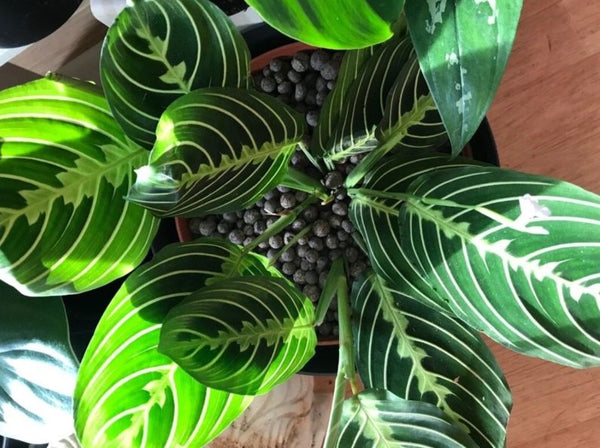
Bright indirect light can still feel very bright to you, but the sun's rays are not directly striking the leaves. This distinction matters because a Croton, Calathea, or many tropical foliage plants can prefer very bright conditions while still suffering damage from hot direct sun against glass.
Why window exposure matters
Glass changes the indoor growing environment. Leaves can heat quickly near a sunny pane, and the intensity can vary by season, cloud cover, overhangs, nearby buildings, and distance from the window. Treat the room as a specific microclimate rather than assuming every south- or west-facing window behaves identically.
Which window gets the most direct sunlight?
South-facing windows
In the Northern Hemisphere, south-facing windows usually provide the longest and strongest indoor sun exposure. This is the best starting point for plants that genuinely want full sun, such as an Indoor Olive Tree.
West-facing windows
West-facing windows receive stronger afternoon sun, which can create heat near the glass. Use sun-tolerant plants and monitor newly placed foliage for bleaching or crisp patches.
East-facing windows
East-facing windows receive gentler morning sun. They are useful for plants that appreciate some direct rays but may not need intense afternoon heat.
North-facing windows
North-facing windows generally provide the least direct sun. They are not the default placement for a full-sun houseplant unless the window is unusually unobstructed or supplemental lighting is used.
Best indoor plants for direct sunlight

Indoor Olive Tree - best overall full-sun indoor tree
Best for: sunny rooms, south-facing windows, and buyers who want a tree-form plant.
Lively Root's Olive Tree guidance calls for full sun and strong direct light. Give it the brightest indoor location available, allow the soil to dry appropriately between waterings, and avoid placing it in a dim room simply because the foliage looks adaptable. It is also currently labeled pet safe.
Ponytail Palm - best easy-care sunny-window plant
Best for: bright windows, pet-conscious homes, and lower-frequency watering routines.
Ponytail Palm stores water in its swollen trunk and is well suited to high-light conditions. Lively Root currently recommends bright light and direct sun for this plant and labels it pet safe. Let the soil dry well between waterings rather than treating high light as a reason to water daily.
Giant Bird of Paradise - best large statement plant for direct sun
Best for: sunny living rooms, high ceilings, and large floor spaces.
Giant Bird of Paradise is a strong choice when a room receives several hours of bright direct indoor sun. It also needs physical space: large leaves require clearance from walls and furniture. Acclimate it gradually if it has been growing in lower light.
Miniature roses - best flowering full-sun option
Best for: sunny sills and seasonal color.
Miniature roses generally need several hours of strong sunlight to flower well indoors. Feature a specific current Lively Root rose only when the PDP is in stock and the light guidance is verified. Route shoppers to the current Miniature Roses collection when inventory is available.
Bright-light plants that may need protection from harsh sun
Petra Croton
Petra Croton is a good example of why "bright light" and "direct sun" should not be used interchangeably. Lively Root currently places Croton in high-light merchandising but the PDP emphasizes bright indirect light and warns that excessive direct sun can damage foliage. In this article, treat Croton as a bright-light plant rather than a default full-sun windowsill plant.

Jade Plant
Jade Plant prefers abundant light, but exact direct-sun recommendations should align with the current PDP at publication. Use it in the sunny-window section only after verifying whether the final guidance favors direct sun, bright indirect light, or gradual exposure.
Best plants for south-facing windows
For a truly sunny south-facing window, start with plants that are comfortable with high light. A small or medium Ponytail Palm works well on a bright surface, while an Indoor Olive Tree or Giant Bird of Paradise can use a larger floor area. Use the Small Plants and Large Plants collections as size-based shopping paths.
Best plants for hot west-facing windows
Afternoon sun can create more heat near the glass than morning sun. Use genuinely sun-tolerant plants, keep leaves from resting against hot glass, and monitor for bleached patches or crispy edges after a plant is moved. A sheer curtain or slightly greater distance from the window can reduce stress without turning the room into low light.
How to acclimate a houseplant to direct sun
Do not move a plant from a shipping box, greenhouse shade, or lower-light room directly into hours of hot afternoon sun. The University of Minnesota Extension guidance on hardening plants illustrates the broader principle of gradual exposure: increase light over time so foliage can adjust.
-
Start with bright indirect light or gentler morning sun.
-
Increase direct exposure in stages over several days or longer.
-
Watch for bleaching, brown scorch marks, or curling.
-
Back the plant away from the glass if stress appears.
-
Use the product-specific Lively Root care guide as the final authority.
Signs a plant is getting too much direct sun
-
Bleached or pale patches on exposed leaves
-
Brown, crispy scorch marks
-
Curling or rapidly drying leaf edges
-
Sudden decline soon after moving to stronger sun
When these symptoms appear, reduce exposure, move the plant slightly back from the window, add a sheer curtain, or return to gentler light while it recovers.
How direct sun changes watering
More sun can make potting mix dry faster, but that does not mean every sunny plant needs daily water. Check the root zone rather than the surface alone. Pot size, species, temperature, humidity, and season all affect drying time. Succulents and Ponytail Palm often need the soil to dry more thoroughly than tropical foliage plants.
Best pet-friendly plants for sunny rooms
Current pet-friendly high-light options include Ponytail Palm and Indoor Olive Tree. Check the Pet Friendly Plants collection for the current assortment and verify species with the ASPCA toxic and non-toxic plant database.
Direct-sun plant shopping checklist
-
Which direction does the window face?
-
How many hours do direct rays actually hit the placement?
-
Is the strongest sun in the morning or afternoon?
-
Does the glass become hot?
-
How close will the leaves sit to the window?
-
Has the plant been acclimated to direct sun?
-
Does the pot drain properly?
-
Is the plant safe for pets?
-
Will the plant stay on a sill or become a floor plant?
-
How will winter light differ from summer light?
Frequently asked questions about direct-sun indoor plants
What indoor plants like direct sunlight?
Indoor Olive Tree, Ponytail Palm, and Giant Bird of Paradise are strong Lively Root starting points for bright direct indoor light. Exact exposure still depends on the PDP and how gradually the plant is acclimated.
What is the best houseplant for a south-facing window?
An Indoor Olive Tree is one of the clearest full-sun choices for a bright south-facing window. Ponytail Palm is another strong option when you want a smaller or lower-maintenance plant.
What is the difference between direct sun and bright indirect light?
Direct sun means the sun's rays strike the leaves and create a defined shadow. Bright indirect light means the room is bright but the direct beam does not hit the foliage. This distinction is critical for plants such as Croton that prefer brightness but can scorch in harsh sun.
Can direct sunlight burn indoor plants?
Yes. A plant that is not adapted to strong sun can develop bleached areas, brown scorch patches, or crispy edges. Gradually increase exposure and keep sensitive leaves away from hot glass.
How do I acclimate a plant to direct sunlight?
Begin with bright indirect light or gentler morning sun, then increase the duration and intensity of direct exposure in stages. Watch the leaves closely and reduce exposure if scorch appears.
Do direct-sun plants need more water?
They may dry faster, but watering should still be based on soil moisture and species needs rather than a fixed schedule. A Ponytail Palm in full sun still prefers to dry more than a moisture-loving tropical plant.
Which pet-friendly indoor plants like strong sunlight?
Ponytail Palm and Indoor Olive Tree are current Lively Root options that are labeled pet safe and suit bright light. Verify the live PDP and pet-safety guidance before ordering.
Can a Croton sit in direct sunlight?
Use caution. Lively Root's current Petra Croton PDP emphasizes bright indirect light and warns that strong direct sun can damage foliage, so do not use it as a default full-sun windowsill plant.
Is Bird of Paradise a direct-sun plant?
Giant Bird of Paradise can handle and benefit from strong indoor light, and Lively Root currently recommends bright direct sunlight. Acclimate it if it has been growing in lower light and give it enough floor space.
Best Direct Sunlight Plants Summary
The best plant for a sunny window is one that genuinely tolerates direct rays, not simply a plant described as "bright light." Start with the window direction and actual hours of sun, then choose a species with matching care needs. Shop Direct Sunlight Plants



Leave a comment