








Popular Collections


Elevate Your Indoor or Outdoor Space With Full Sun Plants
Bright light plants are some of the best choices for sunny rooms, warm patios, and south-facing windows. This houseplant collection includes plants that enjoy full sunlight as well as plants that do best in bright indirect light. The key is matching the plant to your space. Some tropical plants can handle strong sun once they adjust, while others need bright light without harsh afternoon rays.
If you want the easiest success, look for plants with well-draining soil needs, solid airflow, and a pot with drainage. That helps reduce the risk of root rot and keeps growth strong. Healthy bright light plants can also make a room feel fresher and more alive, especially in spaces where you want more greenery and better indoor air.
Decorate a bright corner of your home or patio with full sun plants that can grow in direct sunlight. They’re perfect for warmer climates as plants for direct sunlight thrive in more intense afternoon sun in the summer and tolerate heat. Indoors, they can grow near sunny windows without getting scorched. Moreover, container plants for full sun and heat are often drought-resistant and low-maintenance, providing reliable greenery throughout the warm months.
Plants that like direct sunlight will enhance your indoor design, cleanse the air due to their air-purifying properties, and add color and interest to sunny porches. Well-chosen direct sun plants can boost your property’s curb appeal and create a relaxing atmosphere in your home.
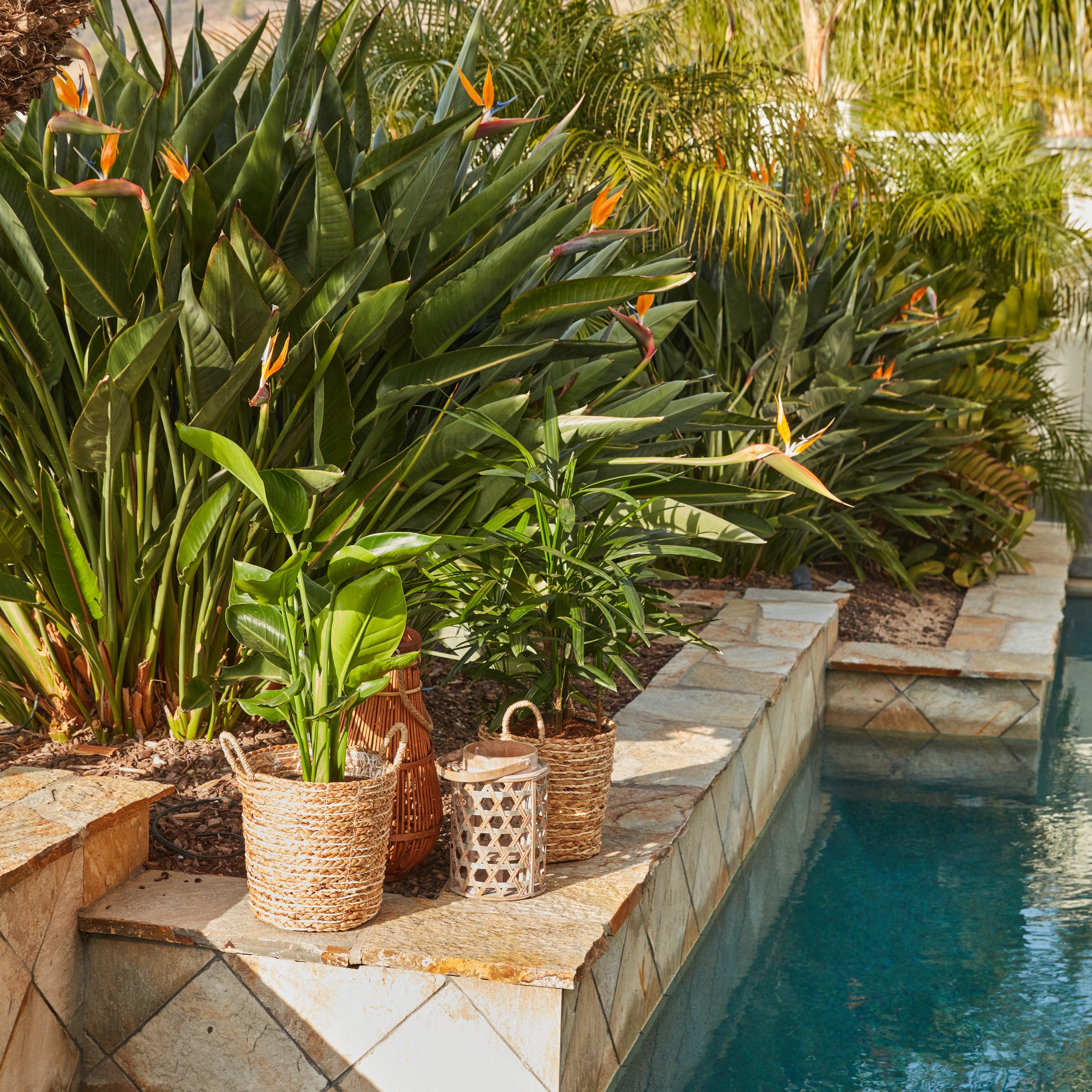
Plants that love direct sunlight come in various sizes and shapes, from the small Jade Plant to the impressive Giant Bird of Paradise.
Select the Best Direct Sunlight Plants
To choose the best high sun plants for your home or porch, focus on some of the following factors:
- Light conditions vs. seasons: Some spaces may have varying light conditions during different seasons; place plants that do well in full sun where they’ll get sufficient light throughout the year, like a sunroom.
- Direction of windows: For indoor plants that like direct sunlight, choose a place near a south-facing window for maximum sun exposure.
- Climate: When choosing container plants for full sun, consider your climate; select drought-tolerant plants for a year-round warm climate, and plan where to overwinter your plants in colder climates.
- Hardiness zones: For outdoor plants that like direct sunlight, check the USDA Plant Hardiness Zone Map to see which full sun tropical plants can thrive in your state’s climate.
- Room size: Compact choices, like succulents, are ideal for small spaces, while large, high light plants, like full sun palms or Monstera varieties, can make a statement in more spacious rooms
- Lifestyle: Choose beginner house plants if you travel a lot or are new to plant care. Consider getting pet-friendly plants for full sun if you own a cat or a dog.
Explore Our Collection of Plants That Like Direct Sunlight
Sago Palm (Cycas revoluta)
- Distinct features: The Sago Palm is a spectacular palm tree with a low, sturdy trunk and glossy fronds. These palms are some of the most popular full sun potted plants for the patio.
- Level of care: Easy
- Toxicity: Toxic to ingest
Lemon Yellow Miniature Roses (Rosa chinensis minima)
- Distinct features: The Lemon Yellow Miniature Roses are enchanting small roses, growing on a compact bush with glossy foliage. Miniature roses will elevate any well-lit space and are some of the best flowering plants for full sun.
- Level of care: Relatively easy
- Toxicity: Pet-friendly
Bromeliad Neoregelia (Neoregelia Bromeliad)
- Distinct features: A compact bromeliad plant, the Bromeliad Neoregelia sports a rosette of colorful bracts atop its lower leaves. It blooms for up to 6 months and is among the best low-maintenance full sun plants.
- Level of care: Easy
- Toxicity: Pet-friendly
Lipstick Plant (Aeschynanthus radicans)
- Distinct features: Lipstick Plants are cascading creepers that blossom with red, tube-like flowers and are stunning full sun hanging plants.
- Level of care: Relatively easy
- Toxicity: Pet-friendly
Full Sun vs. Bright Indirect Light
Full sun plants can handle the strongest light of the day and are best for patios, balconies, and very bright windows.
Bright indirect light plants still want lots of light, but they do better when the sun is filtered or softened through a window or curtain.
If a plant that prefers indirect light sits in harsh afternoon sun, you may see leaf burn, faded color, or crispy edges. If a full sun plant does not get enough light, it may grow slowly, lose color, or stop blooming.
What plants can take full sun all day?
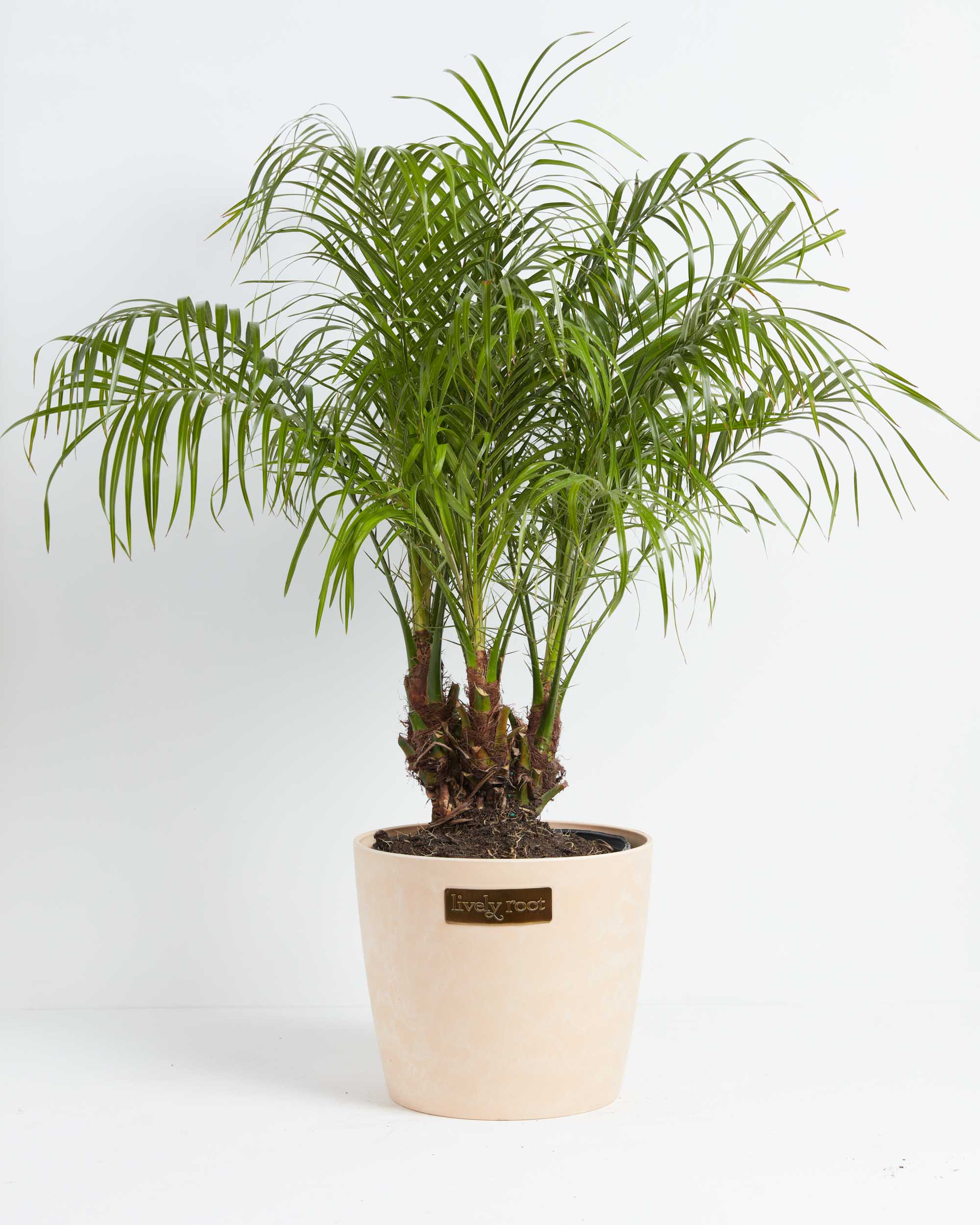
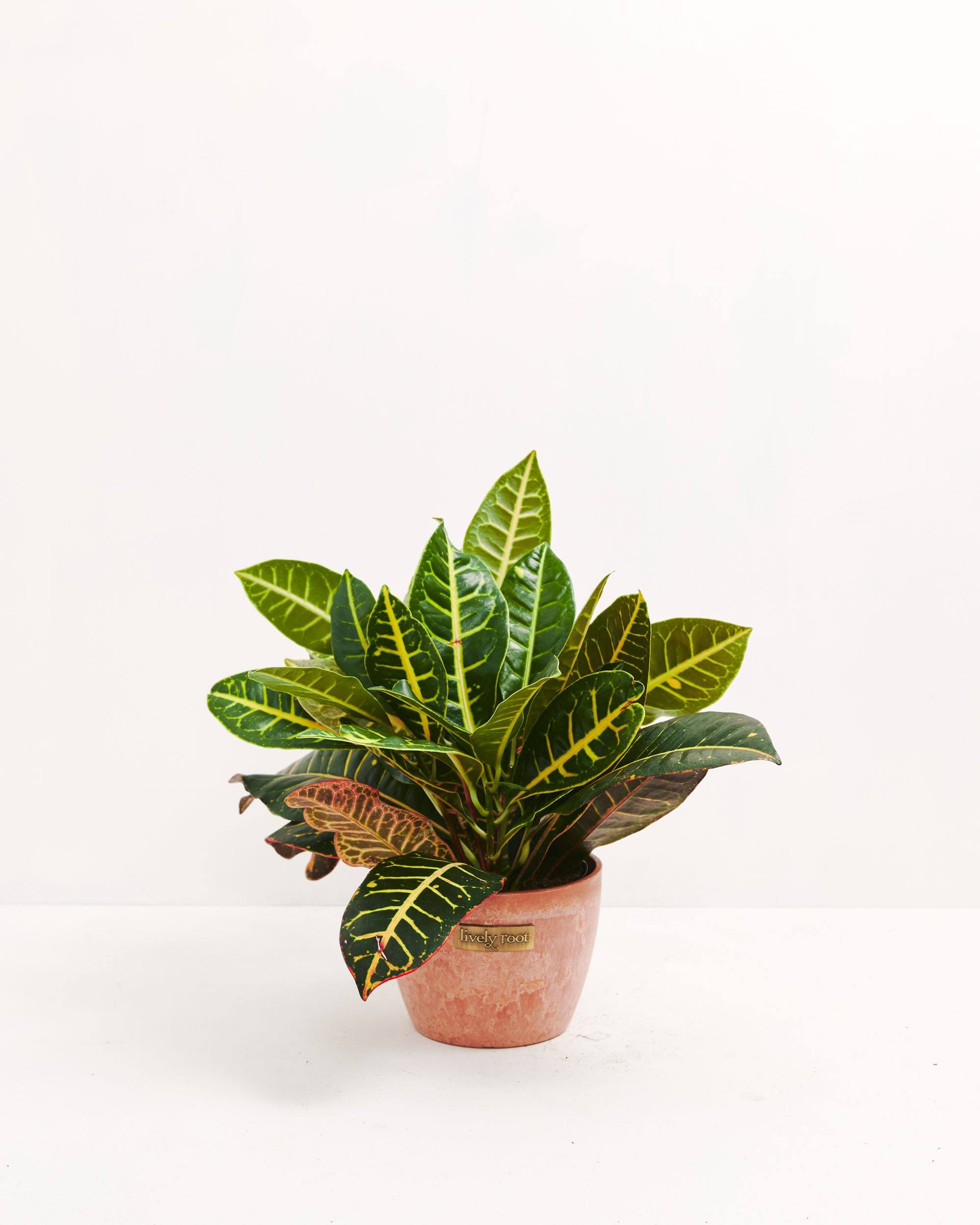
Plants that can take full sun all day are usually the toughest sun-lovers in your collection. Good examples include olive trees, sun-loving palms, bird of paradise, croton, ponytail palm, and some flowering plants like miniature roses. For indoor growing, it is still smart to ease plants into stronger light over a few days so the leaves can adjust.
If your goal is a bright room with strong sun for several hours a day, choose plants that are clearly labeled for full sun or direct sunlight. If your room is bright but the sun is filtered, shop bright indirect light plants instead.
Direct Sunlight Plants: Care & Maintenance Guide
Many full sun houseplants are easy to care for, especially if they require less watering and tolerate dry conditions. See below some useful care tips for plants that like direct sunlight:
- Light: Ensure you provide sufficient lighting for your direct sunlight plants. Supplement your greenery with grow lights in the darker months if you live in a colder climate.
- Watering: Water your direct light indoor plants thoroughly and let the excess water drain.
- Temperature and humidity: Many plants that like full sun prefer slightly warmer temperatures, so ensure you keep them away from drafts. Mist plants regularly if they prefer high humidity..
- Soil, repotting, and feeding: Provide well-draining but nourishing soil for plants that need direct sunlight, and repot every 1-2 years. Most full sun plants for pots, especially blooms, require regular feeding with a balanced fertilizer in the growing season to thrive.
- Pruning and common issues: Trim any damaged or yellowing leaves and check regularly for pests. Check the soil regularly to prevent overwatering or underwatering your plants. Also, remember that many full-sun flowering plants won’t bloom in insufficient light.
Bright Light Plant Care Tips
Bright light plants grow best when their soil conditions match their watering needs. Use a potting mix that drains well and never let the roots sit in soggy soil for long. Too much water and poor drainage can lead to root rot.
During spring and summer, many bright light plants benefit from a balanced liquid fertilizer. Feed lightly and follow product directions. If fertilizer splashes onto the leaves, rinse it off so it does not contribute to leaf burn.
For easier watering, self-watering or smart-watering planters can help keep moisture steady without making the soil too wet.
Shop Full Sun Plants for Your Indoor or Outdoor Space
Transform your home or business with Lively Root’s selection of plants for direct sun. We make it easy to get the ideal fit for your porch or a sunny windowsill.
Shop for the best full sun plants to elevate your interior, add greenery to your outdoor spaces, or make a delightful gift for loved ones or friends.All live plants from Lively Root are backed by our 30 Day Happiness Guarantee. If your plant arrives damaged, frozen, dead, or not as expected, we’ll make it right.
Bright Light Plants FAQ
What plants can take full sun all day?
Plants that can take full sun all day are usually the strongest sun-lovers, such as olive trees, some palms, bird of paradise, croton, and sun-loving flowering plants like miniature roses. Indoors, plants always acclimate slowly to strong sunlight.
What is bright indirect light?
Bright indirect light means the space is very bright, but the sun is filtered, softened, or not hitting the leaves for long stretches of the hottest part of the day.
Can direct sun cause leaf burn?
Yes. Plants that prefer bright indirect light can get leaf burn if they are moved into strong direct sun too quickly.
How do I avoid root rot in bright light plants?
Use a pot with drainage, choose well-draining soil, and water only when the plant actually needs it. Constantly soggy soil is the biggest root rot risk.

