Transform Your Space With Indoor Climbing Plants: Buying & Care Guide
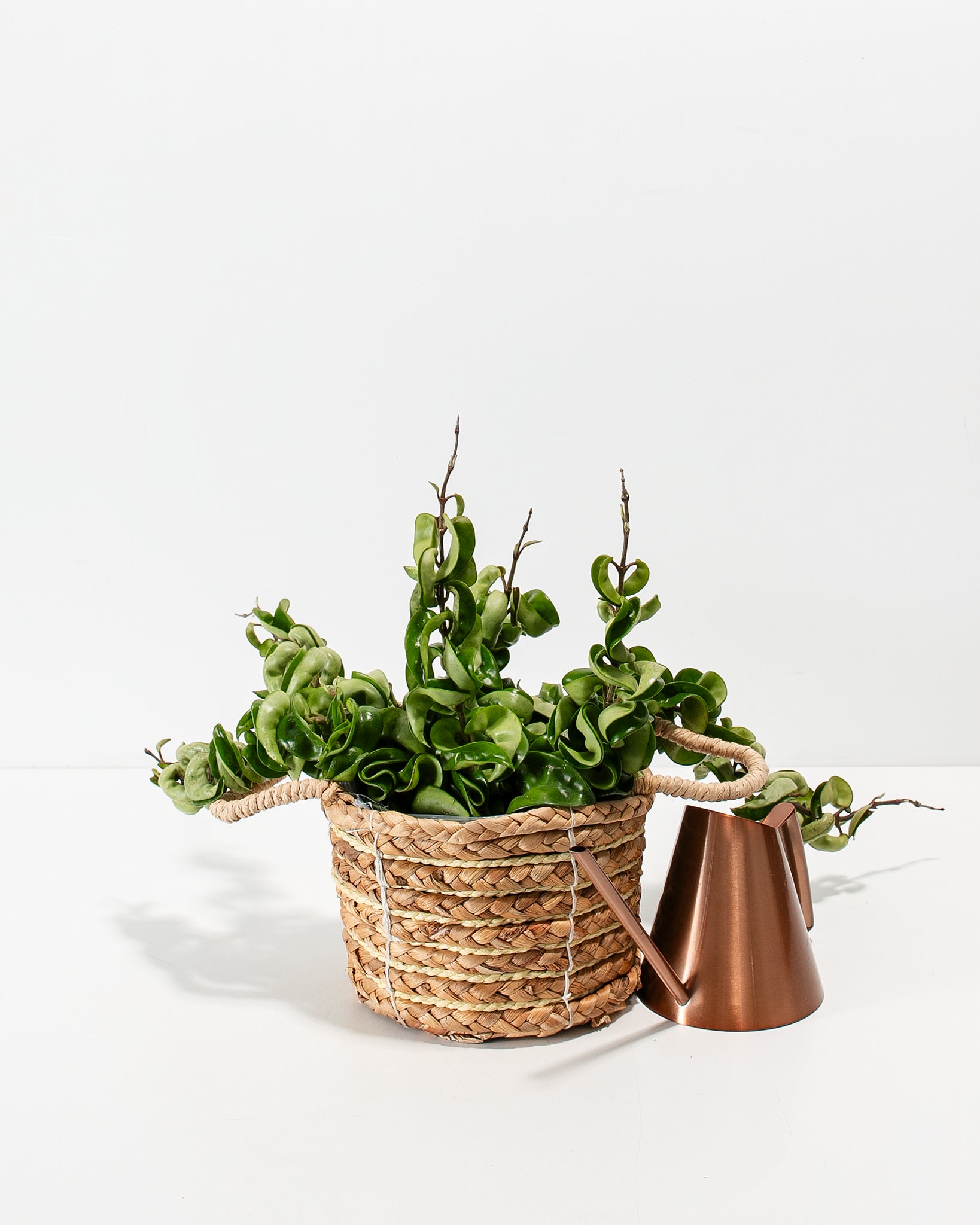
Climbing plants and vining plants are an easy way to add height, texture, and movement to your home. Unlike compact tabletop plants, indoor climbing plants can trail from shelves, climb a moss pole, soften a bare wall, or bring life to an empty corner.
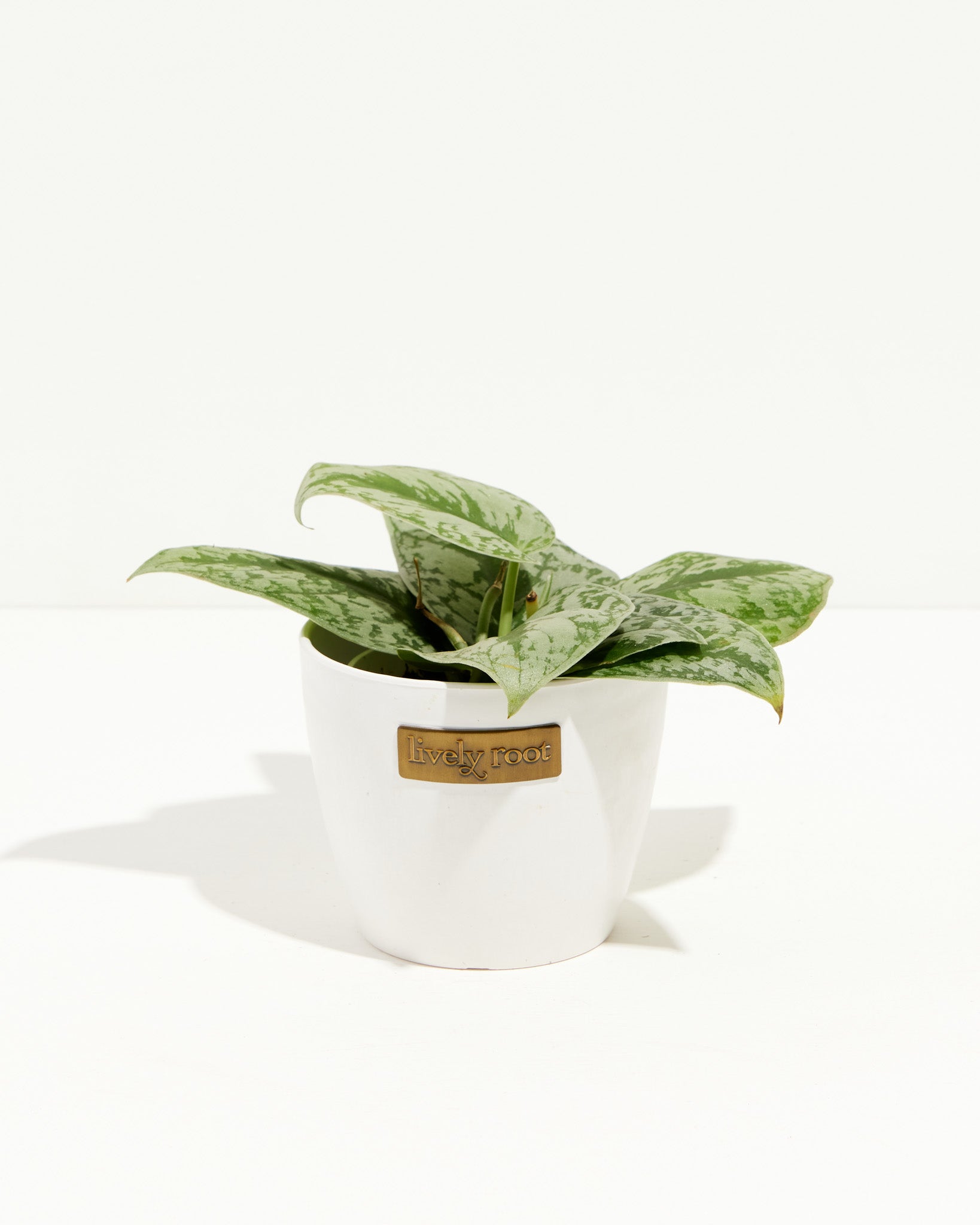
Lively Root has a wide variety to choose from, from bold tropical climbing plants to low-maintenance climbing plants with softer trailing growth. A Philodendron Ginny (Mini Monstera), brings split-leaf drams, while Pearls and Jade Pothos adds a pretty variegated look. With the right light, water, and support for climbing plants, these vine house plants can turn simple spaces into lush indoor features.
Why Grow Climbing Plants
Climbing plants are loved for their flexible, decorative growth. With a moss pole, trellis, frame, or plant stake, vining plants can be trained upward to fill empty vertical space, or left to trail naturally from shelves, hanging baskets, and containers.
- A fuller indoor look: Climbing house plants add softness, height, and a more layered feel to plain rooms.
- Living wall style: Wall-climbing plants can be guided along a trellis or frame for a natural green wall effect.
- Great for small spaces: Climbing plants in pots grow upward or trail downward, so they do not take up much floor space.
- Fresh, leafy texture: Indoor vines and tropical vine plants make rooms feel calmer, brighter, and more connected to nature.
- Flexible styling: Train them up a pole, let them spill from a shelf, or use them to frame a sunny window.
- Porch and patio appeal: In warmer climate zones, outdoor climbing plants and fast climbing plants can add greenery to covered spaces.
- Natural office dividers: Trellis climbing plants can soften sightlines and create privacy without making an office space feel closed in.
Explore Our Collection of Vining and Climbing Plants
This collection includes indoor vines and climbing house plants for shelves, moss poles, trellises, baskets, and plant stands, with a mix of soft trailing growth and bold tropical leaves.
Swiss Cheese Plant (Monstera adansonii)
- Distinct features: With its quirky, hole-filled leaves, the Swiss Cheese Plant trails loosely or will climb if given support, making it great for adding height.
- Level of care: Easy; it likes bright, indirect light, light moisture, and some humidity.
- Toxicity: Toxic to pets if eaten.
Syngonium White Butterfly (Syngonium podophyllum)
- Distinct features: Syngonium White Butterfly brings a softer look with pale, arrow-shaped leaves. It starts compact, then trails more as it matures.
- Level of care: Moderate; medium to bright, indirect light usually works well.
- Toxicity: Toxic to cats and dogs if chewed or swallowed.
Philodendron Quad Color (Philodendron hederaceum)
- Distinct features: Thanks to its green, cream, yellow, and blush tones, Philodendron Quad Color adds color without feeling too loud.
- Level of care: Moderate; brighter indirect light maintains the bold colors.
- Toxicity: Toxic to pets if ingested.
Dragon Tail Plant (Epipremnum pinnatum)
- Distinct features: The Dragon Tail Plant has glossy green leaves that can split as they mature, giving it a bold tropical look.
- Level of care: IEasy; it likes warmth, bright indirect light, and a sturdy pole or trellis.
- Toxicity: Toxic to pets if eaten.
Indoor Vine & Climbing Plants: Care Tips
Most indoor climbing plants do best when you keep things steady: decent light, careful watering, and something sturdy to grow on once the vines get longer.
- Watering and light: Give them bright, indirect light where possible, and water when the top of the soil feels dry. Yellowing leaves or mushy stems usually mean the plant is staying too wet.
- Warmth and humidity: Many tropical vine plants prefer warm rooms and a little humidity. Dry air can lead to crispy tips, especially in winter.
- Support: Add a moss pole, trellis, or stake before the plant gets too heavy. A climbing plant that keeps leaning or flopping may simply need better support.
- Cleaning, trimming, and propagation: Wipe dusty leaves now and then. Cut back long, thin vines to keep the plant looking fuller. Healthy cuttings can often be rooted in water or soil.
- Soil and feeding: Use well-draining soil and feed lightly during spring and summer. Skip heavy feeding when growth slows.
- Repotting: Move the plant up a pot size when roots look crowded. For trellis- and pole-climbing plants, repot with care while repositioning the support so the plant doesn’t get damaged.
Shop for Climbing Plants and Indoor Vines to Add Fresh Greenery to Vertical Spaces!