










Popular Collections
What Makes a Houseplant Rare
"Rare" gets used loosely in plant retail, so here is what it means on this page. A houseplant earns the label for one of four reasons, and most of the plants in this collection qualify on more than one.
It is slow or difficult to propagate. Variegated plants are the clearest case. A Monstera Thai Constellation cannot be grown true from seed, so every plant sold traces back to tissue culture or a division of an existing specimen. Supply is capped by how fast a lab or a grower can multiply the stock that already exists.
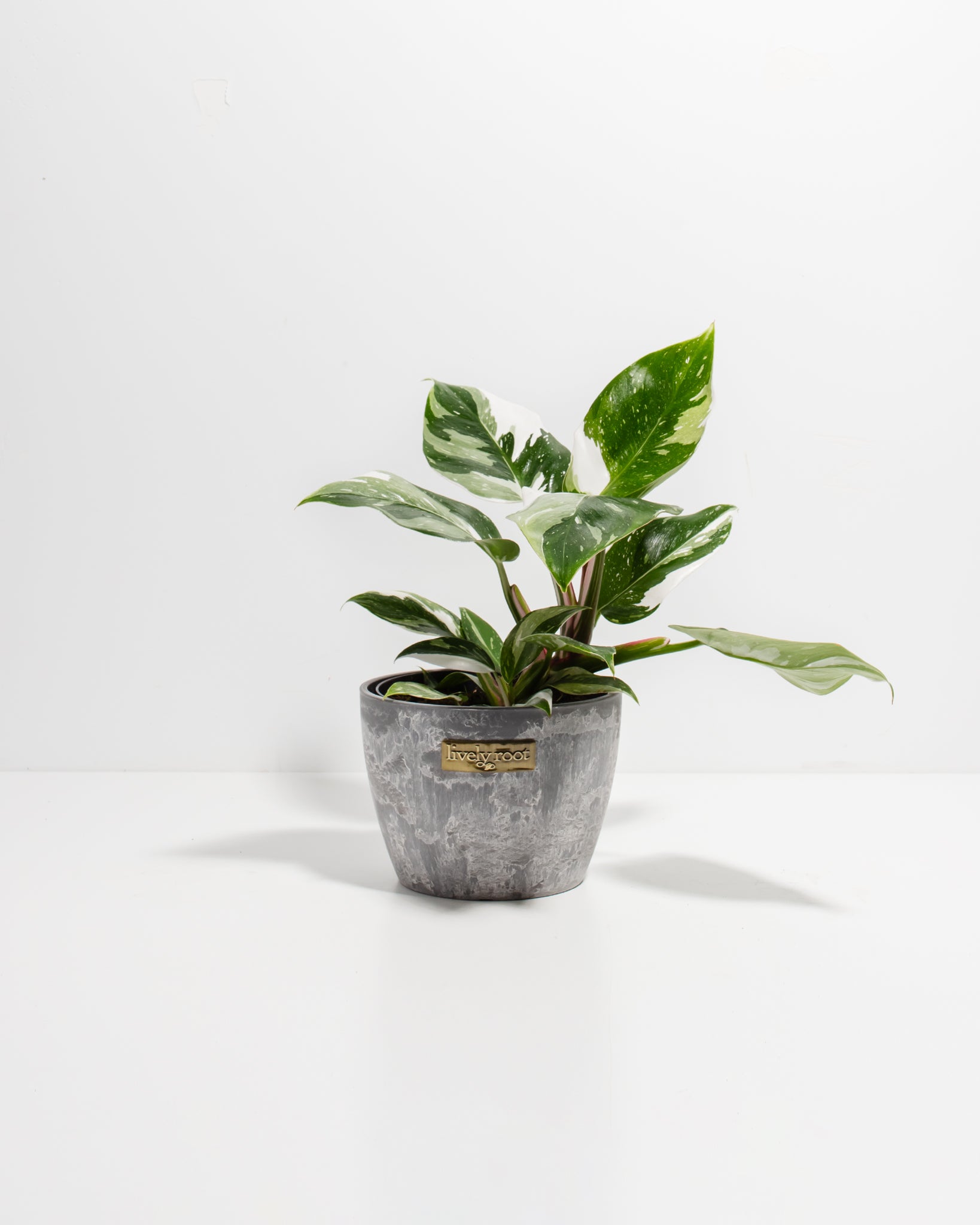
Its variegation is unstable. Philodendron Pink Princess throws pink only when conditions are right, and a given cutting may revert to plain green. Growers have to select and discard, which means only a fraction of what is grown is sellable. The same is true of variegated Monstera albo, where the white sections are a chimera that each new leaf can lose.
It is a genetic mutation held in cultivation. Black Raven ZZ came from a sport, a spontaneously mutated shoot on an ordinary ZZ plant, that a grower spotted and propagated. Every Black Raven in the world descends from that one event. Variegated cultivars usually start the same way.
It is common somewhere and scarce here. Some plants are ordinary in their native range and hard to source in the US because of import rules, shipping fragility, or the years it takes to grow a saleable specimen.
What "rare" does not mean is expensive for its own sake, or difficult to keep alive. Several plants in this collection, the Black Raven ZZ and the Hurricane Fern among them, are as forgiving as anything else we sell. Rarity is about how hard the plant is to produce, not how hard it is to own.
Everything here is grown in our own nursery in limited quantity and ships with a care guide written for that specific plant.
Add Style to Your Interior With Rare Plants for Sale: Buying & Care Guide
This collection is the short list: the plants we grow in small numbers because they cannot be produced at scale. Variegated Monsteras, an unstable pink Philodendron, a black ZZ that started as a single mutated shoot, a fern with fronds that spiral. Most are limited to a few dozen plants at a time, and when a variety sells out it is usually months before the next batch is ready.
Explore our guide to find the perfect rare plant to add style and sophistication to your home or garden. Two examples: the elegant Peperomia Santorini and the striking White Stripe Dragon Tree (Dracaena), both hidden gems in our collection.
Explore Our Selection of Rare House Plants
Every plant in this collection is grown at our nursery rather than bought in and resold, which is why the list is short and changes through the year. Stock is limited by what is ready, not by what we can order. If a variety you want is sold out, the restock is usually a season away rather than a week.
Monstera Thai Constellation (Monstera Deliciosa)
- Characteristics: Creamy variegation splashed across every leaf, stable enough that new growth keeps it rather than reverting, which is what separates it from a Monstera albo. The white sections carry no chlorophyll, so the plant grows slowly and the pale areas scorch in direct sun and brown at the edges if it dries out. Worth the attention it asks for, and the reason it is one of the most sought after houseplants in cultivation.
- Requirements: It prefers bright, indirect light, moderate watering, and high humidity and thrives in temperatures between 65 to 90°F.
- Level of care: Moderately easy
- Pet-friendliness: Toxic to pets
Philodendron Prince of Orange (Philodendron 'Prince of Orange')
- Characteristics: The Philodendron Prince of Orange features striking leaves that change, as the plant matures, and add a bold splash of color to any indoor setting.
- Requirements: It prefers bright, indirect light, moderate watering, and normal indoor humidity levels. It thrives in temperatures between 60 to 85°F.
- Level of care: Easy
- Pet-friendliness: Toxic to pets if ingested
Black Raven ZZ Plant (Zamioculcas zamiifolia 'Black Raven')
- Characteristics: The Black Raven ZZ Plant is a rare plant with unique dark-colored, black-purple glossy foliage.
- Requirements: It prefers bright, indirect light, low watering, and low humidity and thrives in temperatures between 65 to 75°F.
- Level of care: Easy
- Pet-friendliness: Toxic to pets if ingested
Hurricane Fern (Asplenium antiquum 'Hurricane')
- Characteristics: The Hurricane Fern is a unique fern with spiraled fronds that resemble the swirling patterns of a hurricane. It is a variety of the bird's nest fern, much loved for its striking appearance.
- Requirements: Prefers bright, indirect light, consistent moisture, and high humidity. Thrives in temperatures between 50 to 85°F.
- Level of care: Easy
- Pet-friendliness: Non-toxic to pets
Choose the Right Rare Indoor Plants for Your Home or Office
Selecting the perfect rare indoor plant involves considering various factors, such as space, light conditions, lifestyle, and pet-friendliness. Here's a guide to help you make the best choice.
Interior Design and Available Space
When selecting rare indoor plants, consider the size and style of your space. For larger areas, opt for relatively large plants like the Philodendron Pink Princess that make a bold statement. In smaller spaces, compact plants, like the Pink Polka Dot plant, can add a touch of elegance without overwhelming the room.
Light Conditions and Climate
Assess the light conditions in your home or office. For bright, sunny spots, choose a sun-loving rare house plant, while for more shaded areas, select a low-light plant variety, like the gorgeous and hard-to-find Ficus elastica Tineke. Choose plants that match your local climate and indoor environment to ensure they thrive.
Lifestyle and Level of Skill
Consider your lifestyle and gardening experience when selecting rare house plants. Beginner-friendly and low-maintenance plants are ideal for those with busy schedules. If you have more time or plant expertise, choose a rare plant that can challenge your green-thumb reputation.
Pet Owners and Pet-Friendly Varieties
For pet owners, it's crucial to select plants that are non-toxic to animals. Rare and exotic Bromeliads, for instance, are safe for cats and dogs, making them excellent choices for households with pets. Always verify the toxicity of plants to ensure the safety of your furry friends.
Rare Plants: Care & Maintenance Guide
Caring for beautiful rare plants requires attention to their unique needs to ensure they thrive. Here are some general care tips to keep your rare indoor plants healthy and vibrant:
- Light and watering: Provide the right light conditions for your plants. Most houseplants prefer indirect, bright light, but some rare plants tolerate partial shade. Water your plants regularly, allowing the soil to dry slightly between waterings. Overwatering can lead to root rot, so be mindful of the plant's specific moisture requirements.
- Temperature and humidity: For most rare plants, maintain a stable temperature between 65 to 75°F (18 to 24°C). Avoid placing them near drafts or sudden temperature changes. Many rare tropical plants, like Mini Monstera, thrive in high humidity. To increase humidity, mist the plants, use a humidifier, or place a pebble tray near them.
- Soil and feeding: Use well-draining soil tailored to the plant's needs. For example, succulents or rare cactus plants prefer sandy soil, while philodendrons thrive in nutrient-rich, well-draining soil. Feed your plants in the growing season only.
- Pruning and repotting: Regularly prune dead or yellowing leaves to encourage healthy growth and maintain the plant's shape. Repot your plants every 1-2 years to refresh the soil and provide room for growth.
- Common Issues: Watch for pests like aphids and spider mites, and promptly address any signs of disease. Ensure proper light, water, and humidity levels to prevent the most common issues.
Rare Houseplant Questions, Answered
What is the most rare houseplant?
Among plants actually traded, Monstera obliqua is the usual answer: it is slow, fragile, and almost everything sold under that name is the far more common Monstera adansonii. Variegated Monstera albo and Philodendron spiritus-sancti sit in the same tier. None of these are plants we recommend as a first collector purchase. A Thai Constellation or a Pink Princess gives you the same visual payoff with a fraction of the risk.
What is considered the holy grail of houseplants?
Collectors usually name variegated Monstera albo borsigiana, Philodendron spiritus-sancti, or a well-variegated Thai Constellation. The common thread is unstable or unreproducible variegation, which is exactly what keeps supply short and prices high. These are the most sought after plants in the hobby, and the most frequently mislabeled.
Are rare houseplants hard to care for?
Not necessarily, and the two things get conflated constantly. Rarity describes how hard a plant is to produce; difficulty describes how hard it is to keep. Black Raven ZZ is rare and nearly indestructible. Hurricane Fern is rare and easy. Thai Constellation is rare and genuinely demanding, because its white sections carry no chlorophyll and burn or rot more readily than green tissue. Check the care level on each plant rather than assuming.
Why are rare plants so expensive?
Propagation cost, mostly. A plant that can only be divided from existing stock or grown through tissue culture takes years to multiply, and a variegated plant produces a high proportion of unsellable reverted or over-variegated growth that the grower absorbs. Price tracks how many saleable plants a grower gets from a given amount of time and bench space.
How do I know a rare plant is genuine?
Buy from a grower rather than a reseller, and look for plants sold with a named cultivar rather than a marketing name. Mislabeling is common in the rare-plant trade, particularly Monstera adansonii sold as obliqua, Epipremnum aureum sold as a rare pothos, and reverted Pink Princess sold as variegated. Everything in this collection is grown in our own nursery, so what is on the label is what shipped out of our greenhouse.
Elevate Your Space With Rare House Plants for Sale
Stock on this page turns over as batches finish. If the variety you want is unavailable, check back through the season rather than assuming it is gone for good, or reach out and we will tell you when the next batch is due. Every plant ships from our nursery with a care guide written for that variety and is covered by our 30-day happiness guarantee.
Find the best unusual plant for your needs, or make the perfect gift to a loved one!
