







Popular Collections
Snake Plants: Buying & Care Guide
If you have killed houseplants before, start here. The snake plant is the most forgiving plant we sell — it wants to be left alone, it tolerates the dim corner nothing else will grow in, and the fastest way to harm one is to water it too often. Our collection runs from six-inch bird's nest types to four-foot Laurentii.
Our specially curated collection showcases a variety of Sansevieria plants, each boasting a distinctive appeal. From the subtle charm of the Sansevieria Moonshine to the bold, variegated patterns of the Sansevieria Laurentii, our selection is designed to suit a wide array of tastes and decor styles. While Sansevierias are generally toxic to pets if ingested, selecting locations out of reach ensures safety for your plants and furry friends.
This guide is your comprehensive resource for choosing and nurturing your ideal snake plant. Discover the nuances of selecting the perfect variety and learn expert Snake Plant Care tips to ensure your snake plant thrives in your home.
Sansevieria or Dracaena? Both.
Snake plant, Sansevieria, mother-in-law's tongue and Dracaena trifasciata are all the same plant. Botanists moved the entire Sansevieria genus into Dracaena in 2017 after DNA work showed they were the same lineage — so the correct scientific name today is Dracaena trifasciata, while the nursery trade still labels almost everything "Sansevieria." Nothing about the plant changed, only the paperwork.
It's native to the dry, rocky regions of West and Central Africa, which is why it survives what would kill most houseplants: weeks without water, low light, dry air. It stores water in its leaves and photosynthesises at night. Snake plants are mildly toxic to cats and dogs if eaten, so place them out of reach in a pet household.
Snake Plants: Benefits
Discover the myriad benefits of incorporating Sansevierias into your home. These adaptable indoor plants are more than just decorative; they are a top choice for both seasoned plant lovers and beginners.
Air-Purifying Wonders
Night-Time Oxygen
Snake plants use CAM photosynthesis — the same trick cacti use. They keep their pores shut through the heat of the day and open them at night, which means they release oxygen while you sleep rather than while you're at work. It's a genuinely unusual trait among houseplants and the main reason they're recommended for bedrooms.
You'll also see them sold as air purifiers, on the strength of NASA's 1989 sealed-chamber study. Later peer-reviewed work found that effect is negligible at real-world room ventilation rates, so we won't oversell it. The night-time oxygen behaviour is real; industrial-grade air filtration is not.
Effortless Care, Maximum Resilience
Ideal for those with busy schedules or new to plant care, these resilient plants require minimal attention. They thrive even in low-light conditions and are forgiving with irregular watering, handling indirect light and light shade thanks to their strong drought tolerance. Resilient and robust, they withstand less-than-ideal conditions effortlessly, embodying durability and persistence. Whether facing inconsistent light or sporadic care, these tropical plants remain robust, symbolizing resilience and endurance.
Elegant Decorative Addition
Snake plants aren't just functional; they're also aesthetically pleasing. Their striking, upright foliage, available in various hues and patterns, adds an artistic and sophisticated touch to any setting. Their sculptural beauty brings an elegant and timeless charm to your space, making them perfect for enhancing your home's visual appeal.
By adding a snake plant to your collection, you create a beautiful piece of greenery and a functional, air-cleaning companion that's easy to care for and visually stunning.
Snake Plant Varieties: Explore Our Collection
Our snake plant collection boasts a selection of varieties, each with unique characteristics, sizes, and color variations. Discover the beauty that lies within some of our Sansevieria plants for sale:
Sansevieria Futura Superba
- Distinctive traits: The Superba Snake Plant (Sansevieria trifasciata 'Superba') features robust, upright leaves with dark-green centers and yellow edges.
- Level of care: Easy
- Pet-friendliness: Toxic to ingest
Sansevieria Zeylanica
- Distinctive traits: The Superba Sanke Plant (Sansevieria trifasciata 'Zeylanica') boasts sleek, upright foliage with a central green stripe.
- Level of care: Easy
- Pet-friendliness: Toxic to ingest
Variegated Snake Plant
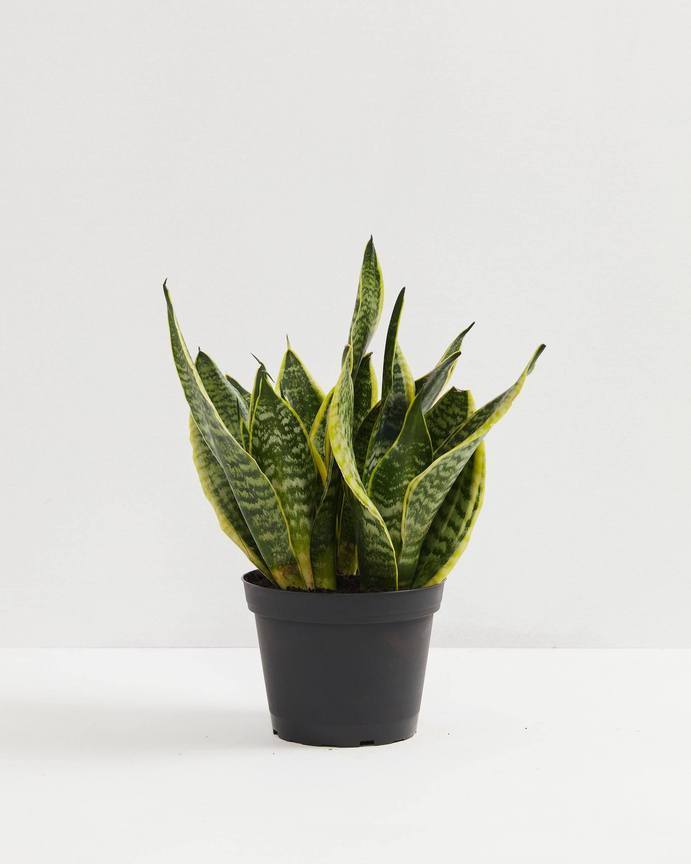
- Distinctive traits: The Sansevieria Laurentii (Sansevieria trifasciata 'Laurentii') has sword-like leaves with distinct variegation, featuring golden-yellow edges.
- Level of care: Easy
- Pet-friendliness: Toxic to ingest
Sansevieria Fernwood
- Distinctive traits: The Sansevieria Fernwood (Sansevieria Fernwood Mikado) has unique, slim, and dark-green leaves, and it's considered a rare snake plant variety.
- Level of care: Easy
- Pet-friendliness: Toxic to ingest
Explore the nuances of each Sansevieria for sale, and select the one that resonates with your taste and complements your living space. Lively Root offers a perfect match for every plant enthusiast.
Snake Plant Care & Maintenance Guide
Your journey to maintaining a green sanctuary is just a click away - we have a comprehensive care guide on snake plants to help you. Unlock the secrets to fostering a thriving snake plant haven with comprehensive care and maintenance tips tailored to the distinctive needs of Sansevierias:
Watering Schedule
Let the soil dry out completely — not just the top inch — before watering again. In practice, that's every two to four weeks in summer and as little as once every month or two in winter. Push a finger two inches down; if you feel any moisture, wait. Water thoroughly when you do, until it runs from the drainage hole, then empty the saucer. More snake plants die of kindness than neglect.
Snake Plant: Light Requirements
- Light conditions: Snake plants thrive in medium indirect light but can adapt to low and bright light conditions.
- Avoidance: Protect from prolonged exposure to direct sunlight.
Humidity and Temperature Harmony
- Adaptability: Tolerant of various humidity levels; no specific requirements.
- Temperature range: Prefers temperatures between 70-90°F (21-32°C); can withstand occasional fluctuations.
Soil, Feeding, Repotting, and Propagation
- Soil & Fertilization: Use a cactus or succulent mix to enhance drainage; feed sparingly during the growing season (spring and summer)
- Repotting: Refresh the soil and repot every 2-3 years or when the snake plant outgrows its current container.
- Propagation: Propagate your snake plants by rooting a leaf cutting in water. Plant when roots are 2 inches long and support the plant with a wooden dowel to train it to stand upright.
Troubleshooting Issues
Symptom |
Cause |
Fix |
|---|---|---|
|
Soft, mushy, yellowing leaves at the base |
Root rot from overwatering |
Unpot, cut away black or soft roots, repot in dry cactus mix, don't water for two weeks |
|
Wrinkled, curling leaves |
Underwatering — rarer than you'd think |
Water thoroughly and let it drain |
|
Brown, dry leaf tips |
Inconsistent watering or cold draft |
Move away from vents and doors; water on a steadier rhythm |
|
Pale or bleached patches |
Sunburn from direct sun |
Move back from the window |
|
Leaning or floppy leaves |
Too little light, or a pot that's too large |
Move somewhere brighter; repot into a snugger pot |
|
Brown circular spots |
Fungal leaf spot from water sitting on the leaves |
Water at the soil, not overhead; improve airflow |
Style Your Interior With Our Range of Snake Plants
Buy snake plants and transform your living or working space into a green haven by leveraging their aesthetic allure and versatility. You can integrate a few graceful Sansevierias into your decor. Create mini plant arrangements with starter snake plants or elevate your floor space with striking taller Sansevierias.
You can mix and match by opting for our curated bundles, such as the Jungle Starter Collection or Feng Shui Money Makers, to enjoy the lucky symbolic meaning of snake plants and other wealth-attracting green beauties. We can arrange local live plant deliveries nationwide. Choose snake plants for sale online if you’re looking for a stylish green companion with a modern look.
FAQs
Is a Sansevieria the same as a snake plant?
Yes — same plant, different names. "Snake plant" is the common name, "Sansevieria" was the botanical genus until 2017, and "Dracaena trifasciata" is the current scientific name. Nurseries still label them Sansevieria out of habit.
Is Sansevieria a good indoor plant?
It's one of the best. It handles low light, needs watering only every few weeks, tolerates dry indoor air, and survives being forgotten. The main caution is pets — the leaves are mildly toxic if chewed.
What are the disadvantages of a snake plant?
Three, honestly. It's mildly toxic to cats and dogs. It grows slowly, so it won't fill a space quickly. And it's very easy to overwater — root rot is the most common way owners lose one.
Where should you not put a snake plant?
Not in harsh direct sun, which bleaches the leaves. Not in a cold draft or right by a heating vent. Not in a pot without drainage. And not anywhere a cat or dog can chew it.
How do you take care of a Sansevieria snake plant?
Bright indirect light, a fast-draining cactus mix, and water only when the soil is bone dry — roughly every two to four weeks, less in winter. Feed sparingly in spring and summer. That's genuinely the whole routine.
Are snake plants toxic to cats and dogs?
Yes, mildly. The ASPCA lists them as toxic — the saponins in the leaves can cause drooling, vomiting or diarrhoea if eaten. Not usually serious, but keep them out of reach. If you need a pet-safe alternative, our prayer plants are all ASPCA non-toxic.
How do you propagate a snake plant?
Two ways. Division is fastest: separate the rhizomes when you repot, making sure each piece has roots. Leaf cuttings take longer — cut a leaf into sections, let them callus for three to five days, then set them in water or damp soil. Roots appear in four to eight weeks. Note that cuttings from variegated types like Laurentii usually revert to plain green; divide those instead.
Buy Snake Plants From Lively Root
Every plant here ships potted and established, grown on a family farm and packed to arrive alive. Choose your size and pot, and it turns up ready to place.
If you're buying your first, a Zeylanica in a medium pot is the safest bet — it handles low light better than the variegated types, and it's hard to kill. If you want the plant to be the statement, go for a large Laurentii. Both come with our happiness guarantee and a care card.
