


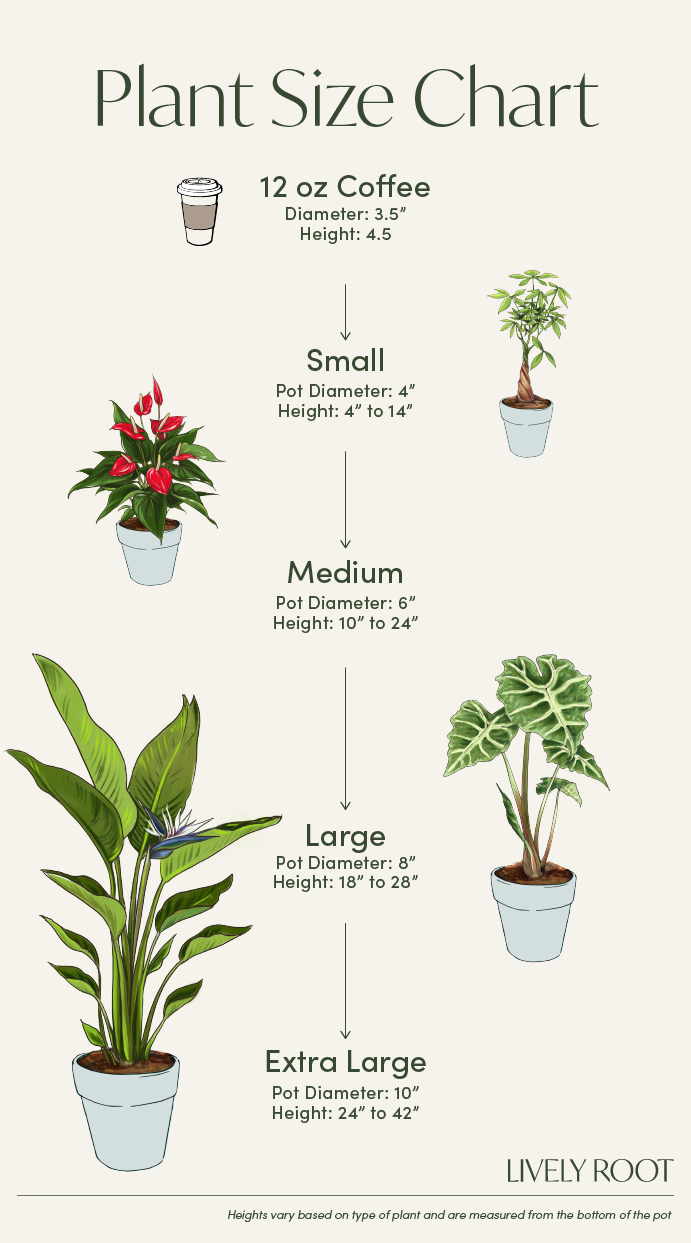
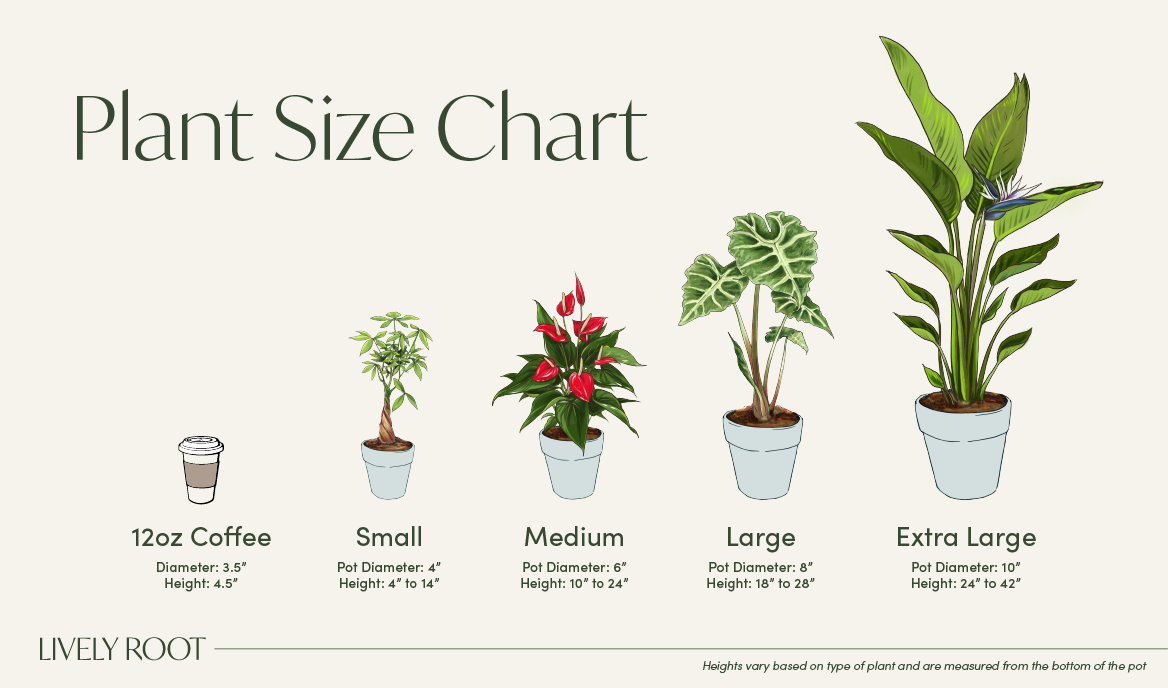
Transform your space with the captivating Jade plant (Crassula ovata). This robust and resilient gem of nature boasts thick, evergreen branches adorned with glossy, vibrant leaves, creating a lush display. Capable of reaching an impressive height of up to 5 feet and spreading up to 3 feet wide, the Jade plant is a striking presence in any setting.
Beyond its physical beauty, the Jade plant is steeped in cultural significance. Revered in Feng Shui as a symbol of prosperity and good fortune, it is believed to attract wealth and positivity. Perfectly placed in an entryway or in the auspicious southeast corner of a room, the Jade plant is more than just a decorative element – it's a harbinger of success and a beacon of luck for its owner. Let this hardy, almost indestructible plant be a testament to endurance and growth in your personal or professional space.

This plant requires bright, indirect light preferably in a southern exposure.
Allow the soil to dry out between waterings or register a 3 on the plant meter scale before watering again. Use filtered, bottled, or tap water sitting 24 hours to release the chemicals and water enough that the water discharges out of the drainage holes. Once the water is fully drained, replace them into the cache or decorative pot.
This plant doesn't require high humidity.
Daytime temps should be between 60°F-77°F and nighttime temperatures can fluctuate between 50 and 55° F. Protect jade plants from cold drafts and do not next to a windowpane.
Grow this plant outdoors where temperatures range from 30°F to 50°F in the winter months if well established. Preferred treatment would be to move your plant indoors during colder times of the year to prevent cold or frost damage.
Apply a balanced fertilizer at half-strength every other month in the growing season.
When receiving the Jade plant, do not repot immediately but wait at least 6-12 months or if the roots are beginning to get crowded and growing through the drainage holes. Wearing gloves (the sap is toxic), repot in the spring, using a 2 inches bigger pot to keep the roots drier. (Too big of a planter could cause the soil to dry slower.) Place a piece of screening at the bottom of the container over the drainage hole to secure the soil and allow to drain. Use succulent and cacti mix with perlite to help with drainage. Water your plant in the old pot before transferring over and let sit overnight. Add well-draining interior potting (cacti and succulent) soil to the bottom to elevate the root ball. Lift the plant and release the roots against the existing planter. Use a clean knife or garden trowel to wedge between the pot and the soil to loosen. Inspect the root ball. Notice if there are any dead or rotting roots and trim them off with sterile pruners. Ensure the plant is sitting about 1 inch below the edge of the pot to avoid water spillage. Add more soil and backfill around the sides by tamping down. Fill up to the soil line but not over. Do not water again until the soil is registering three on the plant meter. Wait a month to fertilize after transplanting to avoid the roots potentially burning. If soil settling occurs after watering, add more periodically but do not cover the trunk above the surface.
To clean the leaves and alleviate dust particles, give them a shower from above. Fill a watering can with filtered, distilled or tap water that has been sitting for 24 hours. Place the plant in a sink and lightly wash the leaves with a shower spray end watering can. Trim off discolored spots with a sterile knife. Remove any debris from the soil and replenish soil if needed. Remove any dead or damaged leaves off very carefully with pruners. Refrain from pruning otherwise. Inspect for any insects at this time.
Take a stem cutting between 3-4 inches long with leaves attached with sanitized pruners. Allow the wound to heal (dry). Set them in a dry, warm spot to callous over. Use a pot with drainage. and place the stem 1-2 inches down into a potting mixture of half and half vermiculite or perlite and succulent and cacti soil mix. Keep the soil slightly damp while the cuttings root. (Expect 6-8 weeks for roots to establish. After rooting, treat them as you would a Jade plant normally and let the soil get almost dry between waterings.
The Jade plant (Crassula ovata) is a succulent with fleshy, rounded leaves. It belongs to the Crassulaceae family, which includes several types of jade plants and other succulents. The Jade Plant is native to South Africa and grows outdoors in hardiness zones 10/11. While usually compact when grown indoors, it can reach 10 feet tall outdoors. These beautiful succulents are known for longevity, sometimes living up to 100 years in ideal growing conditions.
They’re easy-care plants that prefer abundant sunlight and infrequent watering. The Jade plant holds a special meaning and is one of the most popular good luck plants in Feng Shui; its round leaves resemble coins, attracting the energies of wealth and prosperity. However, if ingested, the Jade Plant is toxic to cats and dogs.
The Jade plant is resilient and low-maintenance, so it’s one of the perfect indoor plants for busy plant owners. Here are some essential Jade plant care tips:
Because they are prone to root rot when overwatered, knowing how often to water a Jade plant is essential. Water your plant abundantly until water seeps from the drainage holes, then allow the soil to dry completely before watering again. The Jade plant’s light requirements are simple; it grows best in bright, indirect light. It will benefit from a southern location in your home.
This tropical beauty prefers temperatures of 60°F-77°F, with a slightly cooler nighttime temperature. Avoid putting it in areas with severe temperature fluctuations and cold drafts; the Jade plant should ideally be placed away from windows. The succulent doesn’t need extra humidity and will not do well in humid spaces like bathrooms.
The best soil for your Jade plant needs to drain well. Feed your plant a balanced fertilizer diluted at half strength once every two months during spring and summer.
Repot it when its roots are growing through the drainage holes. Choose a slightly larger pot and use a well-draining succulent potting mix. Wear gloves when repotting because the Jade plant’s sap is toxic. You can propagate your Jade plant via stem cuttings.
The Jade plant doesn’t require much pruning, but you can remove dead or damaged leaves if necessary. Make sure to clean the leaves from dust with a damp cloth.
Also, inspect your plant’s leaves for insects, such as mealybugs. The Jade plant may shed some of its leaves if exposed to the cold. Shriveled or brown leaves indicate that the soil may be too dry, while a Jade plant with soft, drooping leaves shows signs of overwatering.
The Jade plant is a gorgeous decorative houseplant ideal for novice indoor gardeners. It can be the perfect addition to any interior space, home or office.
If you’ve chosen to buy a Jade Plant but wonder what plants will go well with it, here are a few varieties that have similar growing requirements:
Jade plants are toxic to cats and dogs, which is why we’ve listed several pet-friendly alternatives below:
Buy a Jade plant at Lively Root to attract luck in your home and delight the eye with its lush green foliage!


livelyroot.com
@livelyroot

