


Customize Your Pot
Please Note: Size & position of custom text may vary slightly. Please allow an additional 1-2 days for processing your order.


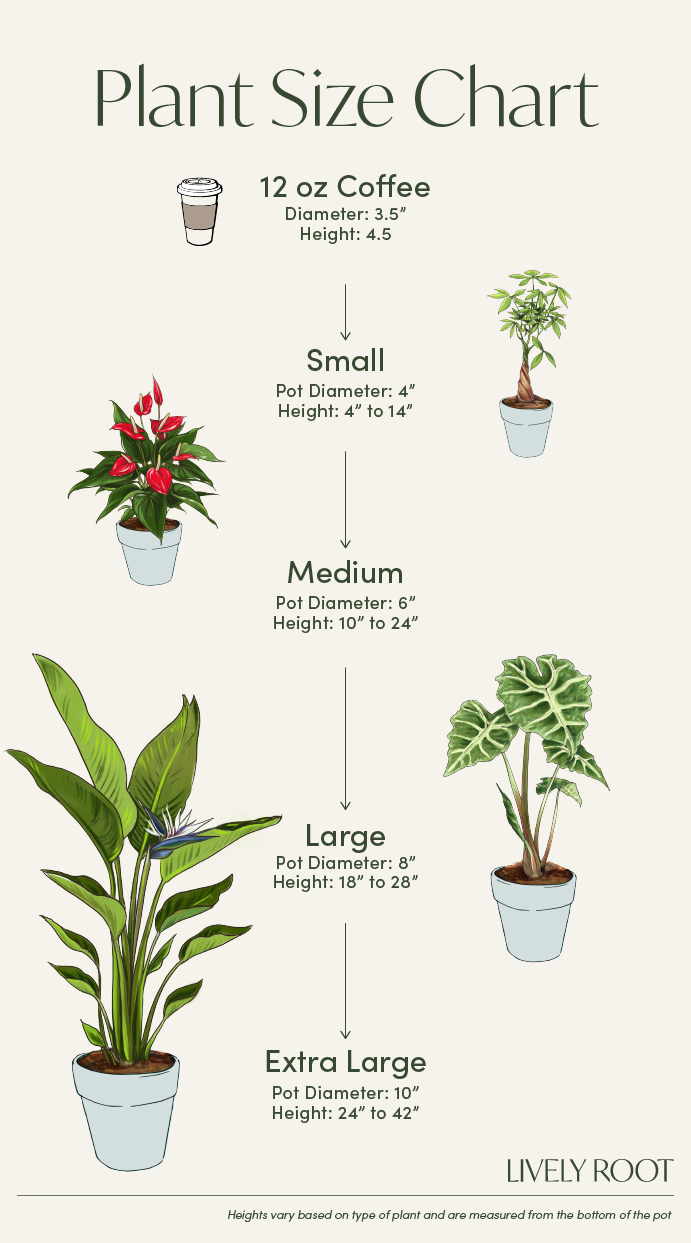
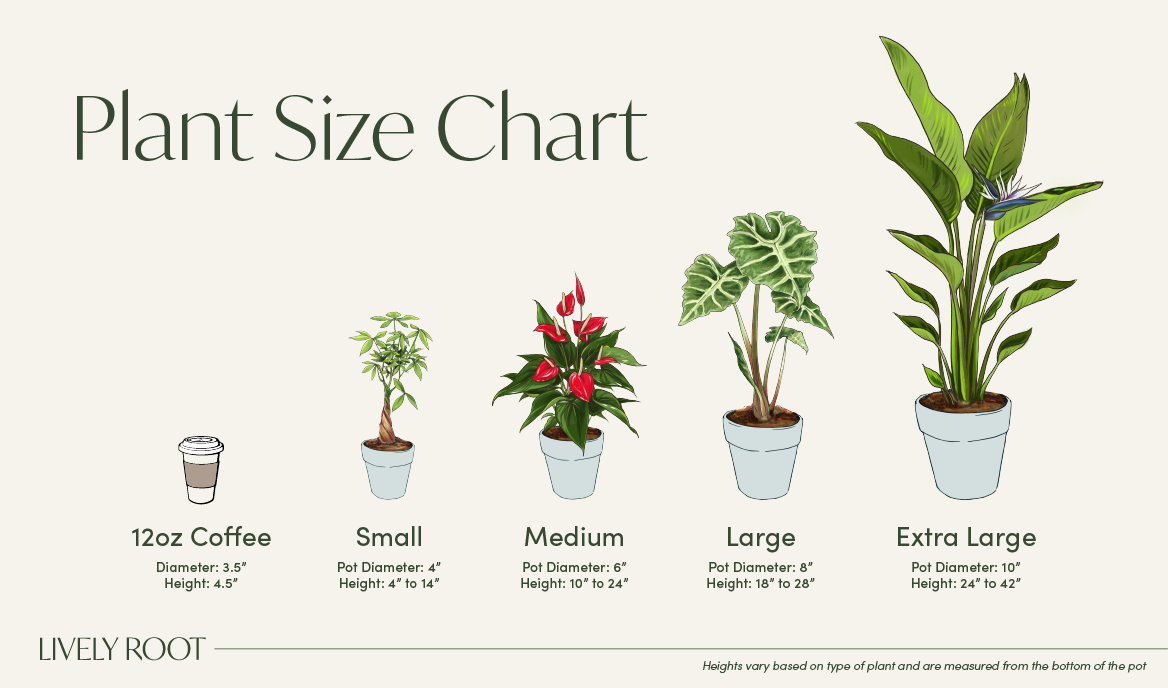
Peperomia Rosso (Peperomia caperata 'Rosso'), also known as Emerald Ripple Radiator Plant, catches the eye with its red coloring on the underside of the leaf and a beautiful dark green color with texture on the top of the leaf. Spikes shoot up with both male and female flowers. This plant is low maintenance and only gets 8" tall and wide, making them suitable for small tables or desktops.

This plant will do well in low to medium indirect light. They also are good in lower light spaces especially with indoor lighting.
Let the soil nearly dry out between waterings through the growing season between March and September. Water them sparingly in the winter during dormancy. Water them from the bottom, setting them in a shallow water bowl to soak up the moisture.
Thrives well in normal humidity levels.
Keep this plant in rooms where the temperature is a comfortable 60°F-75°F and avoid cold drafts or air vents below 55°F. They thrive in warmer and humid temperatures.
When using outdoors, this plant can handle early morning sun in partial shade or dappled light. Shade them from direct, full sun or the leaves will burn and get crispy.
When bottom watering, mix the fertilizer at half-strength in a watering can. Then pour some into a shallow bowl. Set the bottom 1/2 of the pot (with drainage) into the fertilizer water. Let soak for fifteen minutes. Afterward, let drain before placing back into the decorative container.
When receiving the Peperomia, do not repot immediately but wait at least 6-12 months or if the roots are beginning to get crowded and growing through the drainage holes. Repot in the spring, using a 2 inches bigger pot to keep the roots drier. (Too big of a planter could cause the soil to dry slower.) Place a piece of screening at the bottom of the container over the drainage hole to secure the soil and allow to drain. Use a well-draining indoor potting mix with perlite to help with drainage. Bottom water your plant in the old pot before transferring over and let sit for an hour. Add soil to the bottom to elevate the root ball. Lift the plant and release the roots against the existing planter. Use a clean knife or garden trowel to wedge between the pot and the soil to loosen. Inspect the root ball. Notice if there are any dead or rotting roots and trim them off with sterile pruners. Ensure the plant is sitting about 1 inch below the edge of the pot to avoid water spillage. Add more soil and backfill around the sides by tamping down. Fill up to the soil line but not over. Water thoroughly, leaving the soil damp but not soggy. If settling occurs, add more soil. Let the plant drain before setting them into a decorative pot without drainage.
To clean the leaves and alleviate dust particles, shower them from above. Fill a watering can with filtered, distilled, or tap water sitting for 24 hours. Place the plant in a sink and lightly wash the leaves with a shower spray end watering can. Trim off any brown leaves with sterile scissors and remove any debris from the soil. Replenish soil if needed. Inspect for any insects at this time.
To propagate this plant during the growing season: Take a 2-3 inch stem cutting in the early spring. Use a knife or sharp pruners; cut below a node where there are at least three leaves. Remove the bottom leaves to expose the node. Place the stem in a glass jar and fill with filtered water and watch the roots grow! Replace and freshen the water each week. After the roots are six weeks old, add the cuttings to moistened potting soil, continue to water, and give them the bright, indirect lighting requirements.
Peperomia Rosso (Peperomia caperata Rosso), also known as Peperomia Eden Rosso, is a charming small plant with crinkled leaves that show a smooth, bright red underside. It will sometimes produce thin, spike-like inflorescences. Although not showy, these flowers give the Peperomia Caperata a unique and quirky appearance.
This compact plant belongs to the pepper family (Piperaceae). While Peperomia ‘Rosso’ is a hybrid, Peperomia plants in general are native to the tropical rainforests of South America. That’s why this miniature tropical plant thrives in warm climates. Outdoors, Peperomia Rosso does best in hardiness zones 11-12. It can grow to about 8 inches tall.
This cute plant prefers bright to medium light and thrives with minimal care. Peperomias are also safe for cats and dogs, so they’re perfect for pet owners.
The Peperomia Rosso plant is associated with friendship, renewal, and personal growth, and is often considered a lucky plant that brings wealth and prosperity.
Some other attractive Peperomia varieties to consider include the silvery Peperomia Frost and the round-leaved Peperomia Hope.
Undemanding in its requirements, Peperomia Rosso is a fun and easy plant to grow, even for beginning indoor gardeners. Follow these Peperomia care tips to grow a healthy and happy plant:
Water your Peperomia plant well and then allow the soil to dry before repeated watering. This plant does well when bottom watered, but don’t allow your plant to sit in water, as this may lead to root rot. Decrease watering in winter.
These plants grow well in moderate humidity. You can mist your plant or place it on a pebble tray in dry indoor environments.
Your Peperomia Caperata Rosso requires several hours of bright but indirect sunlight daily. Direct sunlight can damage its leaves. Your Peperomia grows well in medium light and can even adapt to low light and artificial lighting, although it may be less vibrant in these conditions. For your Peperomia Rosso to flower, provide bright, indirect light.
Temperatures between 60°F and 75°F are perfect for this tropical plant. Avoid sudden temperature fluctuations, and keep it away from cold drafts or air vents.
Use well-draining soil for this little beauty. Mix the potting soil with perlite, orchid bark, or peat moss to improve drainage and soil aeration. Feed your Peperomia Rosso a balanced liquid fertilizer monthly to promote healthy growth. Because of its small root system, it’s best to dilute the fertilizer at half-strength to avoid burning the roots.
This indoor plant doesn’t require frequent repotting. Repot about every 2 years into a slightly larger pot.
Peperomia Rosso propagation is easy. Take stem cuttings in spring and place them in a transparent vase filled with water. Change the water regularly until the roots form. You can also root the cuttings directly in soil. Ensure it’s constantly moist and keep the young plants in indirect sunlight.
Peperomia plants don’t require frequent pruning. Remove dead or damaged leaves, and pinch the stems when needed to encourage a bushier shape. Keep the soil clean from debris.
Watch out for common problems, such as curling or drooping leaves that are caused by underwatering, or yellowing leaves near the bottom due to overwatering. Insufficient light can lead to stunted and leggy growth.
The bushy, delicate foliage of Peperomia Rosso is enchanting, and this delightful plant fits perfectly on desks and tables, due to its small size.
Your Rosso Peperomia will look great with other small plants on tables, desks, or in shelf displays:
Other plants with colorful, red-tinged foliage that will provide a lovely contrast to green-leaved varieties include:
Add a stylish and creative touch to your home or office interior with a delightful Rosso Peperomia for sale from Lively Root!


