









Popular Collections
Bathroom Plants: Buying Guide & Care Tips
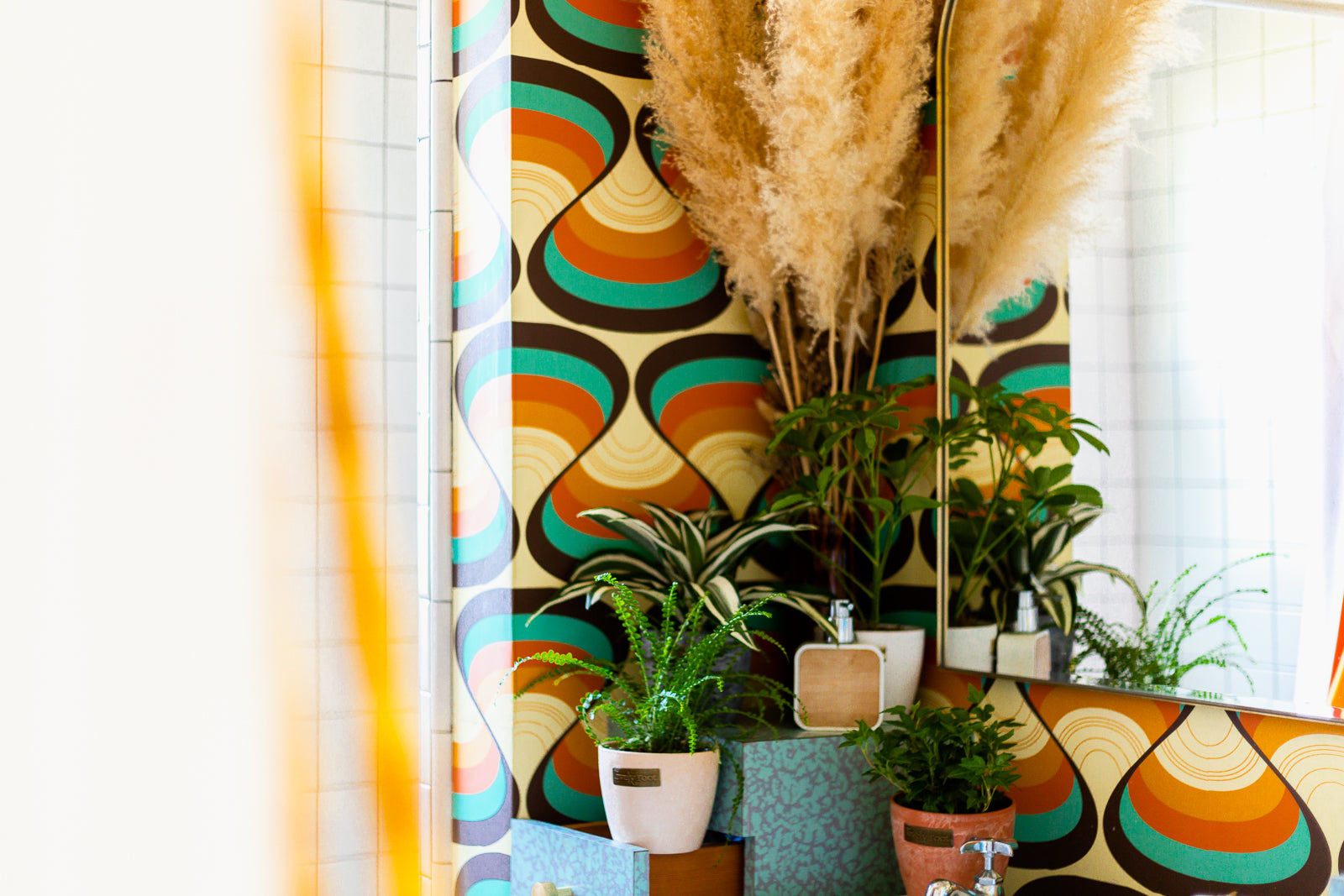
A bathroom is the one room in the house with humidity most tropical houseplants actually want. Ferns hold their fronds instead of crisping, pothos and ivy push longer vines, and air plants can live on a shelf with no soil at all. This collection is built around that: plants that treat a steamy room as an advantage rather than a problem, sorted by how much light your bathroom gets and how much space you have to give them.
Air plants are the easiest thing to style a bathroom with, because they need no soil and no pot: set them in a dish, mount them on the wall, or hang them in glass. They pull what they need from humid air, which is why a bathroom suits them better than anywhere else in the house. For something that flowers, a peace lily blooms in low light, and a coffee plant scents the room when it does.
Select the Right Bathroom Plants From Our Curated Collection
Start with the light. A bathroom with a good window takes almost anything on this page, including flowering peace lilies and anthuriums. A bathroom with a small frosted window suits ferns, bird's nest ferns, pothos and ivy. A bathroom with no natural light at all narrows the list to snake plants, ZZ plants, cast iron plants and Chinese evergreen, which hold their color under a ceiling fixture alone. Use the light filters above to sort the collection to your room.
For a bathroom with no windows, pick the Golden Pothos, which tolerates minimal light and helps keep the room smelling fresh. Or opt for the Chinese evergreen that enjoys high humidity and can thrive under artificial light alone.
Regarding the size of your bathroom space, you’ll be again spoiled for choice. Choose from our small plants collection or make a stunning larger plant, like the splendid Dwarf Cavendish Banana Tree, the focal point of your bathroom interior.
Boston Fern (Nephrolepis exaltata)
- Distinct features: Boston Fern is a pet-friendly woodland plant with bushy fronds that enjoys growing in places with high humidity. Place it on a shelf or in a hanging planter for aesthetically pleasing effect.
- Properties: It’s one of the best moisture-absorbing bathroom plants, purifying the air.
- Light & humidity: It requires indirect light and enjoys high humidity.
- Level of care: Easy
- Toxicity: Pet safe
Fiddle Leaf Fig Tree (Ficus lyrata)
- Distinct features: The Fiddle Leaf Fig is a tropical plant with large, glossy leaves and an upright growth habit.
- Properties: Absorbs water from the air
- Light & humidity: It's highly tolerant of low light and loves high humidity.
- Level of care: Requires some extra care
- Toxicity: Toxic to cats and dogs
English Ivy Plant (Hedera helix)
- Distinct features: English Ivy is a resilient climbing plant with trailing stems and lovely vivid green leaves; it can be grown as a hanging or climbing plant.
- Properties: One of the best plants for fighting mold, English Ivy removes 78% of airborne mold; it filters a range of harmful pollutants.
- Light & humidity: Prefers low to medium indirect sunlight and enjoys light humidity, making it perfect for low-light bathrooms.
- Level of care: Easy
- Toxicity: Toxic to cats and dogs
Flamingo Flower (Anthurium)
- Distinct features: The Flamingo Flower is a popular blooming plant, ideal for bathroom spaces, as it enjoys humid places.
- Properties: It can absorb moisture from the air, regulating humidity levels.
- Light & humidity: It’s ideal for bathrooms with windows, as it prefers bright, indirect light and plenty of humidity.
- Level of care: Easy
- Toxicity: Toxic to cats and dogs
Hanging and Trailing Plants for Bathrooms
A bathroom usually has more wall and ceiling than floor, which is why hanging and trailing plants suit the room better than anything that needs a surface. A macrame hanger over the tub, a pot on the top shelf with vines spilling down, a planter on the back of the door: all of it uses space that would otherwise sit empty, and it keeps foliage out of reach of a curious cat.
The humidity works in your favor here. Trailing plants lose moisture fastest through their newest growth at the ends of the vines, and that is exactly the growth that browns off in a dry living room. In a bathroom it stays soft and green.
Golden Pothos. The most forgiving trailing plant we sell, and the one we recommend first for a windowless bathroom. Vines reach 6 to 10 feet indoors and can be cut back to any length. Toxic to cats and dogs.
English Ivy. Dense, fine-textured trails that take low to medium indirect light. Happy on a high shelf where the humidity sits. Toxic to cats and dogs.
Boston Fern. The classic hanging bathroom plant. Its fronds want the humidity a shower produces, and it is one of the few genuinely pet-safe options in this group.
Spider Plant. Arching leaves and trailing plantlets, tolerant of irregular watering and low light, and safe for cats and dogs.
Heartleaf Philodendron. Fast, tolerant of low light, and easy to train along a shelf or a curtain rod. Toxic to cats and dogs.
One hanging note: pots over a tub or shower will catch spray. Make sure yours drains, and empty the saucer rather than letting the plant stand in water.
Plants for the Bathroom: Care & Maintenance Tips
Keeping your bathroom plants thriving is straightforward once you know what varieties are good for this space in your home and what they need to thrive. So, consider the following care tips:
- Light requirements: Many of the best bathroom plants thrive in indirect light, while some low-light bathroom plants can grow even in minimal light. Leggy stems and yellowing leaves indicate that your plant needs more light. You can help your plants by adding artificial lights, especially if your bathroom has no windows.
- Watering and feeding: Because of high humidity, moisture-loving plants, like bromeliads and ferns, are often the best for bathroom decoration. You still need to water your plants regularly, but watch out for diseases and bacteria which can develop due to excessive moisture. Some plants, like succulents, don’t grow well in highly humid locations. Water less frequently if you notice that your plants’ soil is getting soggy. Use a balanced fertilizer to promote new growth and keep your plants nourished.
- Pruning, cleaning, and repotting: Prune any yellowing leaves or long stems to keep your plants in shape. Wipe the leaves or give your bathroom plant an occasional shower to remove accumulated dust. Most bathroom plants for sale don’t require repotting immediately, but when necessary, choose a slightly larger pot and the correct potting mix.
Bathroom Plant Questions, Answered
Which plant is best for a bathroom?
For most bathrooms, golden pothos. It handles low light, tolerates the humidity swings between a hot shower and a cold night, and recovers if you forget it for two weeks. If your bathroom has no window at all, a ZZ plant or a snake plant is the safer pick. If it has a good window and you want something that flowers, choose a peace lily.
What plants prevent mold in bathrooms?
No houseplant prevents mold. Plants take up water vapor through their leaves and roots, which slightly lowers humidity in a small enclosed room, but the effect is modest next to an extractor fan or an open window. Ferns, peace lilies and spider plants are the usual choices when people want a plant that likes damp air. Treat them as decoration that tolerates your bathroom, not as a dehumidifier.
What plant absorbs moisture in a bathroom?
Boston ferns, peace lilies, spider plants, air plants and bromeliads all take up moisture from humid air, air plants most obviously since they have no soil and draw everything through their leaves. Again, the quantity is small. A plant will not fix a bathroom that stays wet.
Can a plant survive in a bathroom with no windows?
Yes, but the list is short. ZZ plants, snake plants, pothos, cast iron plants and Chinese evergreen all hold up in a room lit only by a light fixture, provided that light goes on daily for a few hours. Anything with variegation or flowers will fade or stop blooming. If your bathroom has no natural light at all, rotate the plant out to a bright room every couple of weeks.
Do bathroom plants need special care?
Mostly they need less water than you would expect. The humidity slows evaporation, so soil that would dry in a week elsewhere can stay damp for two, and constantly wet soil is what causes root rot. Check the top inch of soil before watering rather than watering on a schedule, make sure every pot has drainage holes, and give the leaves an occasional wipe, since bathroom dust combines with soap film and sticks.
Order the Best Bathroom Plants from Lively Root
Every plant in this collection ships from our own nursery in a nursery pot sized for the space you have, from a 4-inch pot that fits a narrow shelf to a floor plant for the corner beside the tub. Pet-safe options are labeled, light needs are listed on every product page, and everything is covered by our 30-day happiness guarantee. If a plant does not settle into your bathroom, tell us and we will make it right.
Explore our hand-picked bathroom plant collection to find the perfect variety and add a vibrant note to your home spa interior! Or, why not get a beautiful and beneficial plant gift for friends and family? Lively Root will deliver your selection of bathroom plants right to your doorstep or to the recipient’s address!
