


Customize Your Pot
Please Note: Size & position of custom text may vary slightly. Please allow an additional 1-2 days for processing your order.


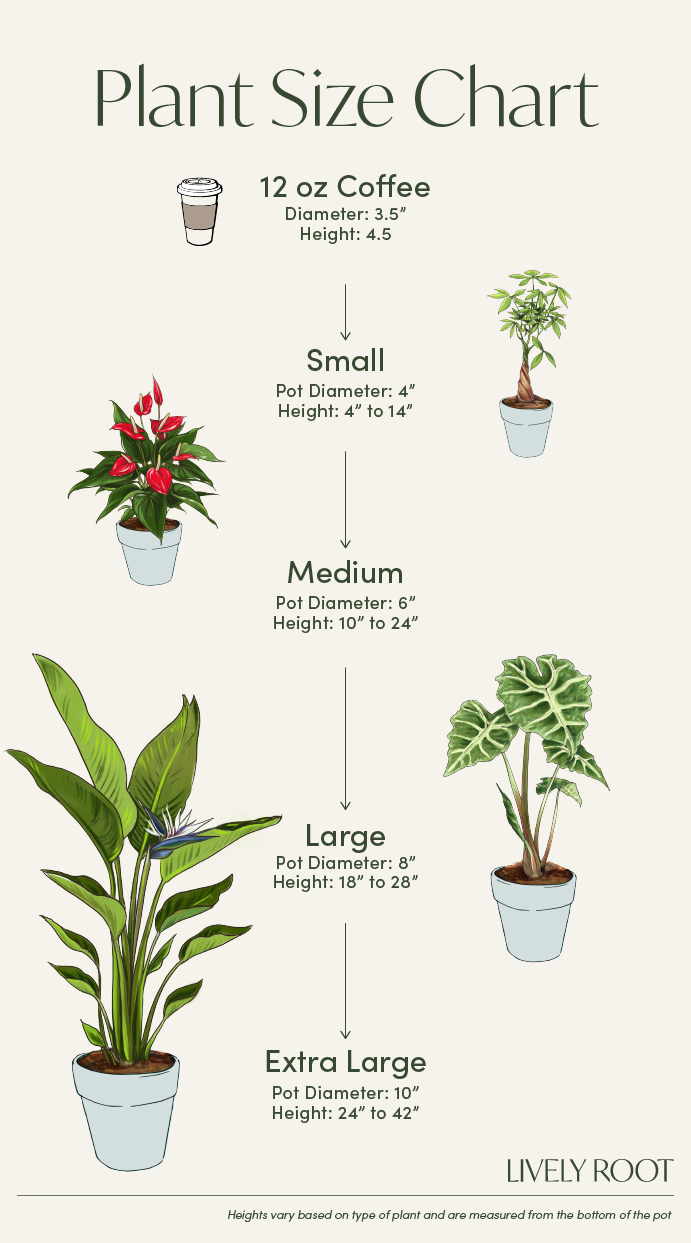
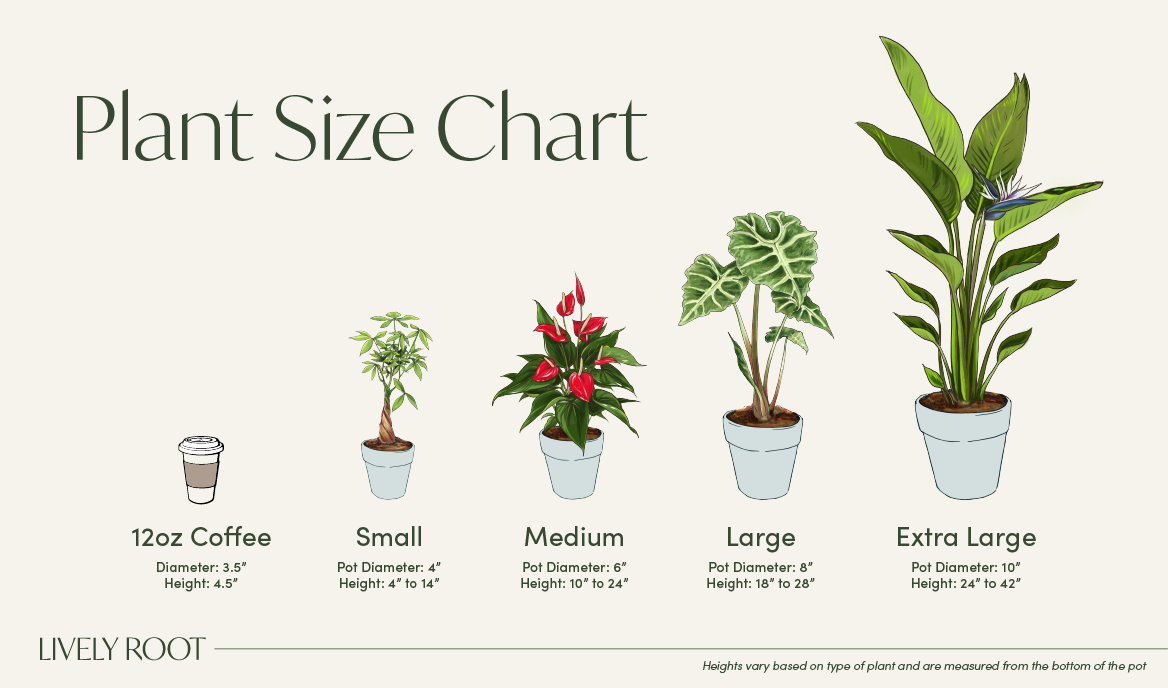
Ficus Audrey (Ficus benghalensis) gets your attention with her velvet green leaves. Pale green veins define the elliptical-shaped leaves. This rubber plant is an epiphyte in the wild and uses aerial roots to penetrate the ground. While they grow enormously in their native land, they'll be on their best behavior and be a statue of luxury in your home, reaching 10 feet tall and 3 feet wide typically. Audrey is not as fussy as her cousin Ficus lyrata and can recover quicker when stressed.

This plant loves high levels of bright, indirect light. Please place them in an eastern, southern, or western facing window for best results.
When your plant meter is at a 4, it's time to water. Use filtered, bottled, or tap water sitting 24 hours to release the chemicals and water enough that the water discharges out of the drainage holes. Once the water is fully drained, replace them into the cache or decorative pot.
Enjoys some extra humidity. Spritz occasionally.
This plant can survive on a porch where temps don't dip below 60°F. Sudden drops in temperature will cause leaf drop.
This plant will not tolerate frost or temperatures below 60°F if left outside.
This plant has a small root system so too much fertilizer will burn the plant. You can fertilize three times a year in the spring, summer and fall. Apply at half-strength a balanced, liquid fertilizer especially formulated for indoor plants during the growing season and let them rest in the winter.
When receiving the Peperomia Hope, do not repot immediately. This plant grows slowly, and the stems are delicate, so be very careful when repotting into a new container to guard against breaking the vines. Please wait at least 6-12 months to plant in a larger pot and only if necessary. Repot in the spring, using a 2 inches bigger pot to keep the roots drier. (Too big of a planter could cause the soil to dry slower.) Place a piece of screening at the bottom of the container over the drainage hole to secure the soil and allow to drain. Use a well-draining indoor potting mix with perlite and coco coir to help with drainage. Water your plant in the old pot before transferring over and let sit overnight. Add soil to the bottom to elevate the root ball. Lift the plant and release the roots against the existing planter. Use a clean knife or garden trowel to wedge between the pot and the soil to loosen. Inspect the root ball. Notice if there are any dead or rotting roots and trim them off with sterile pruners. Ensure the plant is sitting about 1 inch below the edge of the pot to avoid water spillage. Add more soil and backfill around the sides by tamping down. Fill up to the soil line but not over. Water thoroughly, leaving the soil damp but not soggy. If settling occurs, add more soil. Water well to dampen the soil and let drain.
To clean debris and dust off the leaves: Place the Peperomia Hope in a shower or tub. Fill a watering can with a shower spout with filtered, bottled, or water free of chlorine and fluoride. Shower the leaves, so each one is clear of dust and dirt. Let the water drain and replace your plant in the decorative container. To keep the plant compact and bushy, trim the vining stems and propagate back into the same container.
To propagate this plant during the growing season: Take a stem cutting in the early spring. Use a knife or sharp pruners, cut below a node where there are at least three leaves. Remove the bottom leaves to expose the node. Place the stem in rooting hormone and plant in moistened potting soil mix. Keep the soil consistently moist. Keep the cuttings in medium to bright light.
Ficus Audrey (Ficus benghalensis) is a beautiful indoor tree with large, velvety green leaves and a soft, matte finish, making it a popular choice for modern interiors. Belonging to the Moraceae family and the Ficus genus, this rubber plant is native to India and is known for its impressive size when grown outdoors in tropical climates. Indoors, Ficus Audrey typically grows to 6-10 feet with proper care, though it can reach towering heights in the wild. It thrives in USDA hardiness zones 9-10 but can be grown indoors in various environments.
This relatively easy-care plant prefers bright, indirect light. Once established, it is drought tolerant. While it enjoys warmth, it’s not sun-loving, as direct, harsh sunlight exposure can harm its foliage. Ficus Audrey can live for many years with the right care, making it a great long-term addition to your indoor plant collection.
The Ficus Audrey Tree is often associated with prosperity and peace. As a cousin of the famous banyan tree, it symbolizes resilience, stability, and growth, making it a meaningful addition to your home. Like other Ficus plants, Ficus Audrey is toxic to pets if ingested, so keep it out of reach of cats and dogs.
For other stunning ficus varieties, consider Lively Root’s Ficus Tineke (Ficus robusta ‘Tineke’). It’s known for its creamy white and green variegation. It is a striking alternative to Ficus Audrey.
Ficus Benghalensis Audrey is a relatively easy-care plant, making it a great option for both beginners and experienced plant owners. With the right environment and care, it can thrive indoors for many years and grow into a beautiful statement plant.
Ficus Audrey Plant prefers moderate watering. Allow the top 1-2 inches of soil to dry out between waterings to prevent overwatering, which can cause root rot. Reduce watering frequency during winter. It thrives in moderate humidity, but misting the leaves occasionally can benefit the plant, especially in drier indoor environments.
This rubber plant does best in bright, indirect light. It can tolerate some direct sunlight but avoid harsh, prolonged exposure, as it can scorch the leaves. The ideal temperature range is 70-80°F. Avoid placing it near cold drafts or air conditioners, as Ficus Audrey is sensitive to sudden temperature drops.
Use a well-draining potting mix that retains some moisture without becoming waterlogged. A mix designed for indoor plants with a balance of organic material works well. Repot your Ficus Audrey every 2-3 years or when it becomes root-bound, using a slightly larger pot to allow for growth.
Feed your Audrey Ficus with a balanced liquid fertilizer once a month during the growing season (spring and summer). Prune to maintain its shape or prevent leggy growth, trimming just above a leaf node. Wipe the leaves with a damp cloth to remove dust and maintain their lush appearance, promoting better photosynthesis.
Ficus Audrey can be propagated like other rubber plants through stem cuttings in water or soil. Common issues include yellowing leaves from overwatering or pests like spider mites and mealybugs. To prevent infestations, regularly check the plant and keep it clean. If necessary, treat pest problems with insecticidal soap or neem oil.
Ficus Audrey is a versatile plant that can enhance indoor and outdoor spaces. Its impressive size and elegant foliage make it a statement plant, perfect for various environments with adequate light and space.
Pair Ficus Audrey with these stunning plants to create a beautiful, diverse indoor garden.
If you're looking for pet-friendly alternatives to Ficus Audrey, consider these beautiful options.
Green up your space with a Ficus Audrey from Lively Root and bring home a stunning, easy-care statement plant today!


