


11 Plants That Act as a Natural Humidifier
Breathing dry indoor air can cause a variety of respiratory and skin issues, especially in warm climates or when heating is on in winter. Humidifiers are often used to refresh and add moisture to indoor air. But well-chosen plants can also act as a natural humidifier, especially if grouped together, so you can easily boost indoor humidity with houseplants.

Breathing dry indoor air can cause a variety of respiratory and skin issues, especially in warm climates or when heating is on in winter. Humidifiers are often used to refresh and add moisture to indoor air. But well-chosen plants can also act as a natural humidifier, especially if grouped together, so you can easily boost indoor humidity with houseplants.
Do houseplants help with humidity? They do. High-humidity plants help regulate indoor humidity sustainably through transpiration. The moisture emitted during transpiration in plants balances humidity, helping to moisturize dry indoor air. Studies show that humidifier plants are especially efficient in hot and dry environments.
So, do plants increase or decrease humidity?
Do Plants Humidify or Dehumidify?
Indoor plants that like humidity can help regulate indoor air moisture levels. They can both increase and decrease humidity through transpiration. Plants absorb moisture, but they also produce it as a part of their transpiration process. This is why houseplants that absorb humidity won’t reduce it completely, but they’ll help decrease condensation and regulate excessive humidity, creating a much healthier breathing environment.
Do plants increase humidity? Yes. Plants that are natural humidifiers effectively boost indoor humidity. They also filter toxic compounds out of the air during transpiration, improving air quality.
What Is Transpiration in Plants?

Transpiration is the way water is transported through the plant. This process helps a plant to absorb water through its roots, transport it up its stems, and evaporate it from its leaf surface. The openings or pores through which water evaporates are called stomata. Transpiration is connected to photosynthesis, another vital process in plants. Together, these processes enable the plant to receive the water and nutrients it needs, and to emit evaporated moisture and oxygen.
Transpiration is why grouping plants works – they benefit from the moisture produced by all the plants during transpiration, which creates a humid microclimate.
Why Do Plants Transpire During the Day?
Because transpiration is linked to photosynthesis, plants transpire more during the day when sunlight is available. Transpiration is a continual process, so plants also transpire at night, just less intensively.
Do plants transpire less at night? Generally, yes. There are a few exceptions, however. Succulents and other plants that grow in drought-prone climates, like the Jade plant and Aloe Vera, transpire at a higher rate at night. They’re also the perfect humidifying plants for your bedroom, because they produce oxygen during the night.
Keep reading to find out how to humidify a room naturally.
11 Best Plants for Humidity
Plants, especially tropical varieties, will help you regulate the moisture levels in your home, effortlessly cleansing and improving indoor air. Discover what plants are natural humidifiers and what spaces they’re best suited for with our comprehensive list of the best indoor plants for humidity below.
1. Peace Lily – Flowering Gem

The Peace Lily (Spathiphyllum) is an enchanting flowering plant with lush, emerald green leaves. This plant’s flowers have a sweet and delicate fragrance, and it’s relatively easy to grow. The Peace Lily plant is best for humidity in bedrooms or offices, since it’s also well-known for its air-purifying qualities.
2. Snake Plants – Magnificent Succulent Plant

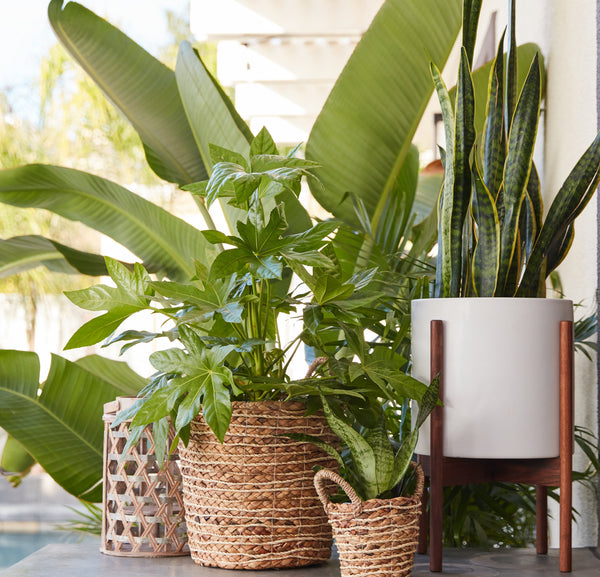
Snake plants (Sansevieria) are resilient, easy-care succulents with upright leaves. Snake plants create the most humidity at night because their transpiration is most active at night; this is done to minimize water evaporation in their dry native habitats. Place Snake plants in your bedroom to benefit from fresh oxygen during the night.
3. Prayer Plants – Nature’s Masterpieces

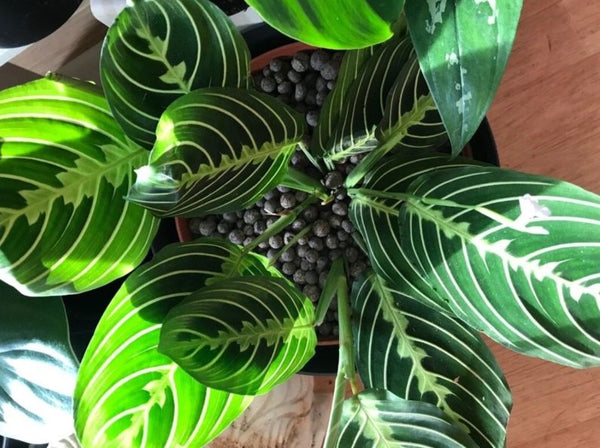
Prayer plants (Calathea) are colorful, pet-friendly houseplants that like humidity. They are best known for their beautiful, patterned foliage and the rhythm of raising their leaves at night and lowering them in the morning. This movement helps them to decrease water evaporation and conserve energy at night, while receiving as much sunlight as possible during the day. Prayer plants are natural humidifiers that will thrive in bright, indirect to low light.
4. Rubber Trees – Tropical Jewels

Rubber Trees (Ficus) are spectacular statement plants with leathery foliage. They thrive in indirect but bright light and require regular but moderate watering. Rubber Tree plants act as a humidifier and are efficient at filtering large quantities of airborne pollutants because of their large leaves.
5. Monstera Deliciosa – Fabulous Jungle Beauty

With its stunning, large leaves, the Split Leaf Philodendron (Monstera deliciosa) is a favorite indoor tropical plant. Monstera deliciosa and M. adansonii are plants that help with humidity in large spaces; for instance, Monstera Deliciosa’s huge leaves make Monstera one of the best plants that reduce humidity.
6. Alocasia Polly – Dramatic Sensation

Alocasia Polly (Alocasia Amasonica 'Polly') is a fabulous houseplant with dramatic, almost black foliage etched with contrasting white veins. The Alocasia Polly plant is a natural humidifier and one of the plants that absorb humidity, creating a fresh environment with better air quality.
7. Peperomia Plants – Small Works of Art

Peperomia Plants (Peperomia) are prized for their compact, attractive foliage in various colors and patterns. Peperomia plants increase humidity in indoor spaces, making these popular high-humidity houseplants a valuable asset in creating a comfortable breathing environment at home.
8. Areca Palm - A Natural Office Air-Purifier

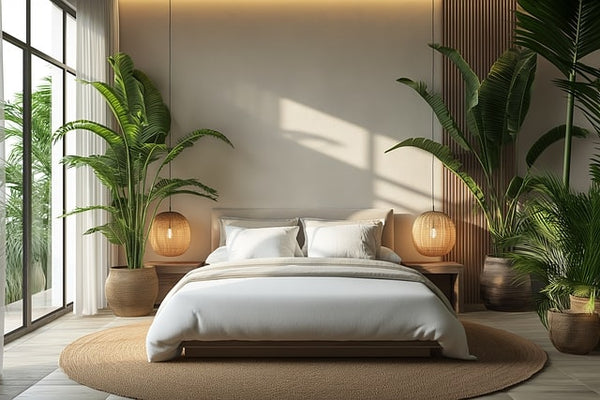
The stunning Areca Palm (Dypsis lutescens) is probably the best plant for humidity, as palm trees are excellent at cleansing the air from pollutants and releasing moisture into the air. In addition to being plants that add humidity to indoor air, Areca Palms are some of the most elegant self-watering houseplants, with their feathery and light fronds.
9. Boston Fern - Tropical Forest Vibes

The feathery Boston Fern (Nephrolepis exaltata) is one of the classical houseplants that reduce humidity, since ferns absorb a large amount of moisture from the air. These house plants help with humidity and mold in closed spaces, making them excellent plants for tackling bathroom humidity. In dry environments, however, the Boston fern will also increase the moisture in the air through transpiration.
10. Money Tree – Powerful Symbol of Good Fortune

The braided Money Tree (Pachira aquatica) is not only considered one of the luckiest Feng Shui plants, but it’s also very easy to grow. This popular houseplant increases humidity via transpiration and will thrive in settings with higher-than-average humidity, like kitchens or bathrooms.
11. Golden Pothos – Resilient Beauty

The popular Golden Pothos (Epipremnum aureum) is one of the easiest plants to grow indoors, as well as one of the most effective at purifying the air from toxins. The Golden Pothos plant helps with dry air, as this humidity plant significantly increases moisture levels. They are great plants for bathrooms, even in lower light conditions.
Natural Humidifier Plants: FAQs
Q: How to humidify a room naturally at night?
A: You can humidify a room naturally at night by growing houseplants with active nighttime transpiration, like various types of succulents. These resilient plants will moisturize the air as they produce fresh oxygen and exhale moisture at night. Other methods include placing bowls of water near heaters or misting your curtains.
Q: How does humidity affect transpiration?
A: The higher the humidity levels, the less water is evaporated during the plant’s transpiration. Dry air causes the plant to evaporate more moisture from its leaves’ surface.
Q: What plant removes 78% of airborne mold?
A: The English Ivy has been found to remove 78% of airborne mold. Ivy is also good at filtering various other pollutants out of indoor air. It’s most effective in small spaces, so adding an Ivy plant to your bathroom or hallway is a great way to keep the air clean.
Q: What plant absorbs humidity?
A: The same plants that increase humidity also absorb humidity. It’s part of the way they regulate moisture during transpiration.
Q: How do plants help regulate transpiration?
A: During transpiration, plants open their stomata (or pores) to absorb CO2 and release moisture. The stomata open in response to sunlight, higher temperatures, and lower humidity levels. Desert plants, like many succulents, use a different process called Crassulacean Acid Metabolism (or CAM photosynthesis), which allows them to close the stomata during the day, reducing water evaporation.
Conclusion
Humidifying plants are a wonderful way to balance the humidity indoors. Plants absorb water and then release moisture in a process called transpiration, which helps filter indoor air. Plant transpiration rates adapt to the temperature and humidity levels, increasing moisture in the air in dry spaces and absorbing moisture in humid spaces.
Plants that like humidity, like ferns or tropical vines, are great for moisturizing indoor air, while plants with a large leaf mass are efficient for balancing excessive humidity. Meanwhile, succulent plants are perfect for adding fresh air to bedrooms and other spaces as they produce oxygen during the night and evaporate small amounts of moisture.



Leave a comment