Customize Your Pot
Please Note: Size & position of custom text may vary slightly. Please allow an additional 1-2 days for processing your order.


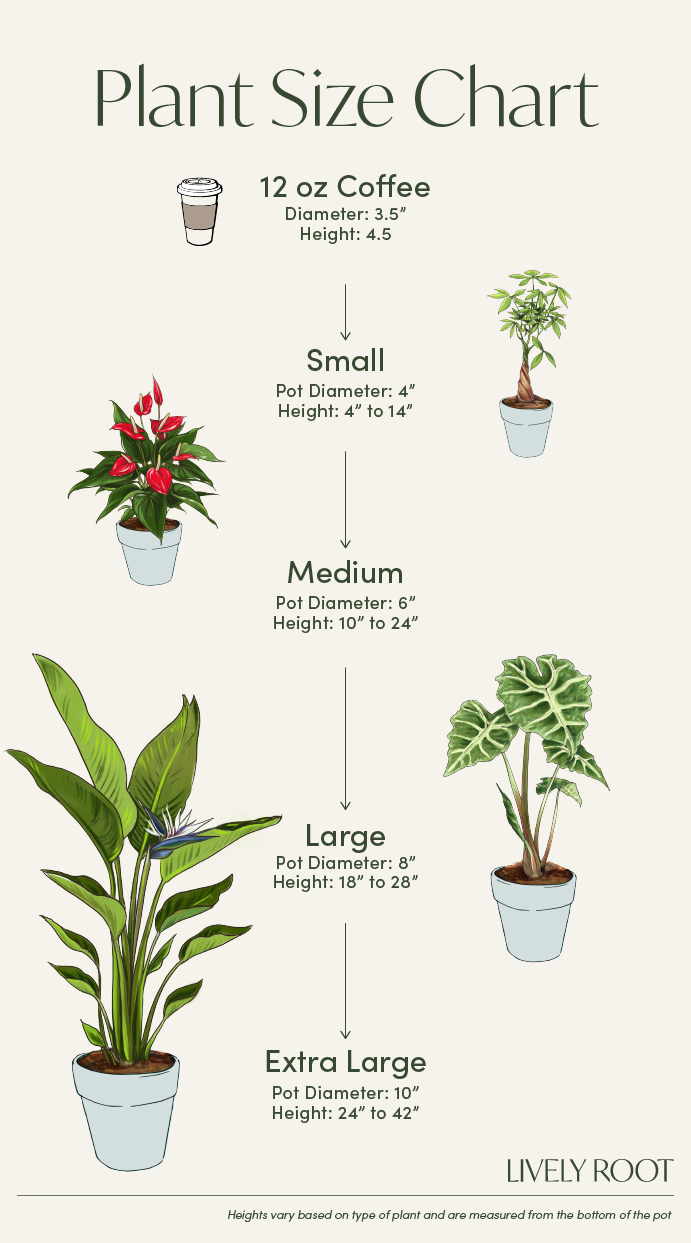
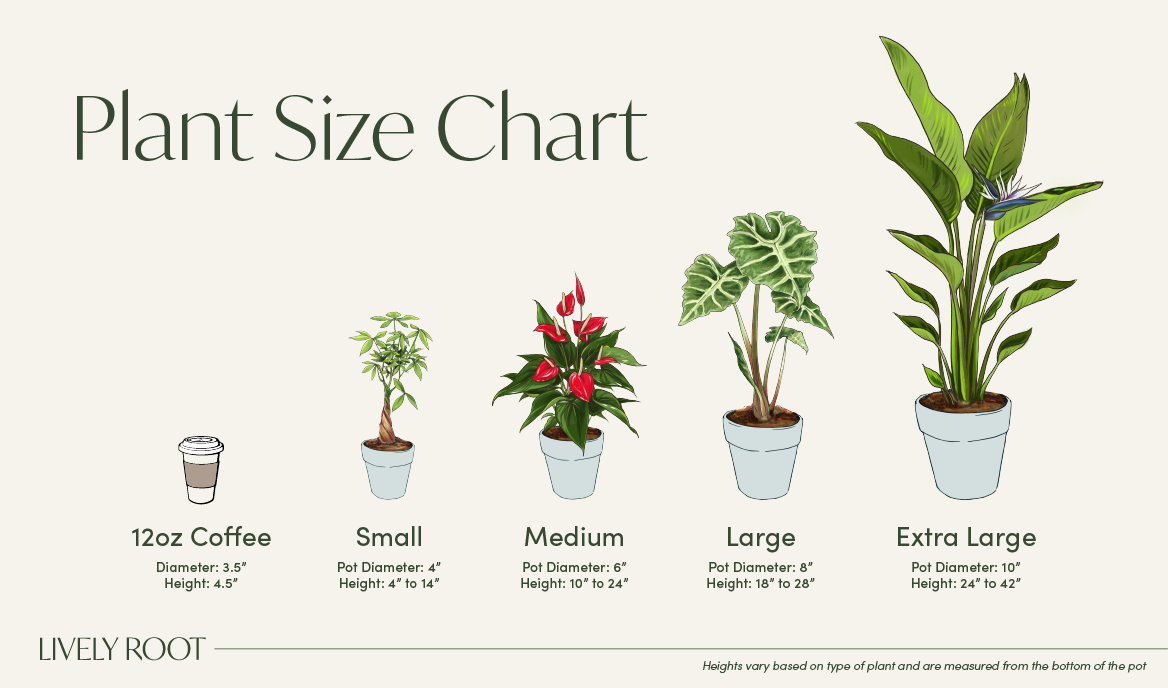
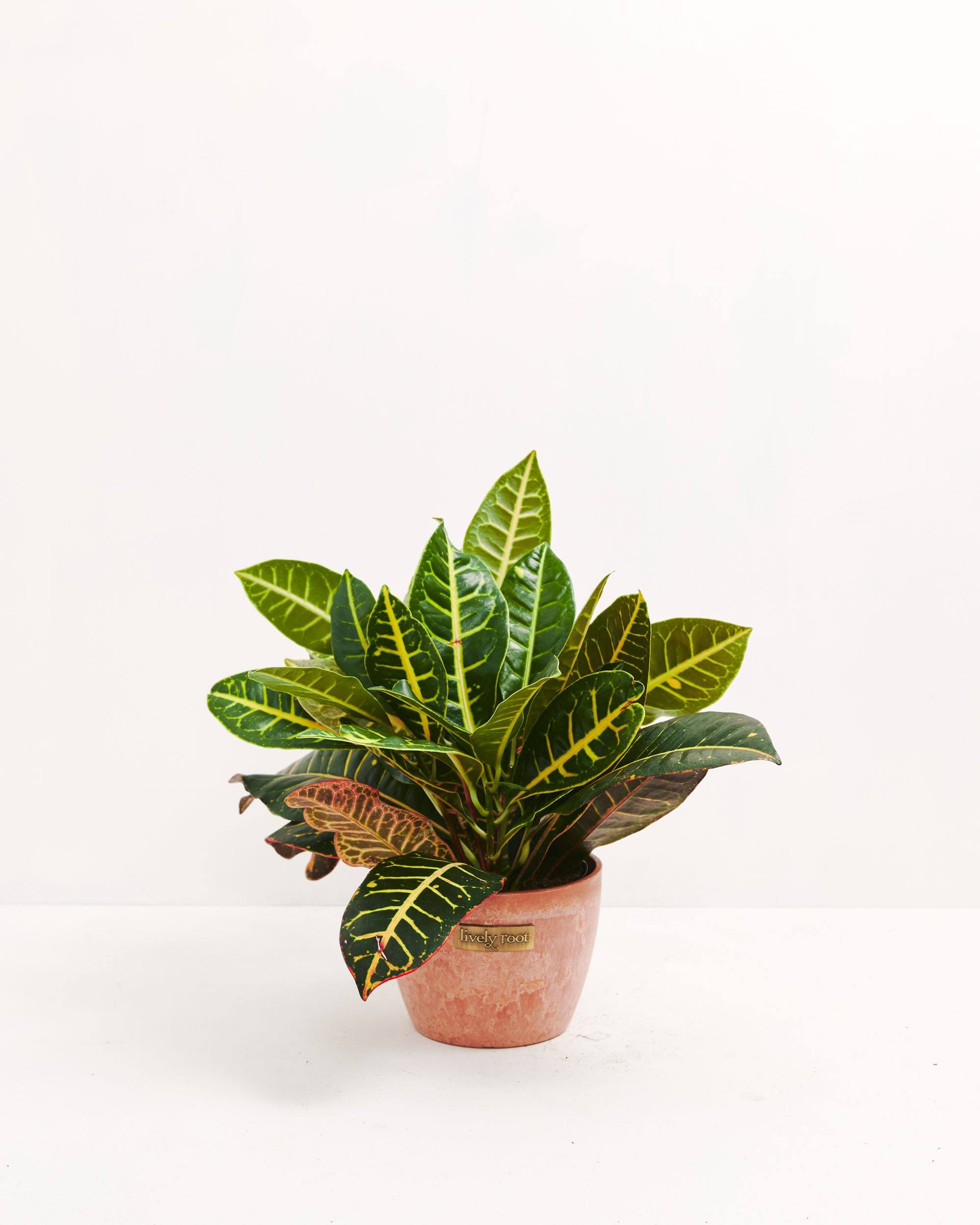
Add some color to your home with this medium Croton Petra. This gorgeous tropical plant thrives in brightly lit spots. The more sun they get, the more rainbow shades will appear in their variegated foliage. You can usually expect warm stripes of red, pink, and yellow contrasting with dark green. Bright and bold, they are surprisingly easy to care for.
This croton petra is packed with vibrant tropical colors. A rainbow marvel, they are at their best in bright rooms. Exposure to the sun helps their foliage to flourish in shades ranging from yellow to red and everything in between. In addition, they are easy to care for, making them a great tropical plant for beginners.

Loves bright light so they can produce their colorful leaves.
Water when the soil begins to dry out, but do not oversaturate.
Enjoys high humidity. Spritz occasionally.
Keep this plant in consistent temperatures. Avoid drafts, heat or air vent outlets and windows and doors. Avoid moving this plant around or they will protest and drop leaves.
Outside: Place Crotons in morning sun to develop their vivid colors. Midday sun can burn the leaves. Leave outside in container pots until night time temperatures dip to 60°F.
Inside: Set this plant in bright, indirect lighting.
Water the Croton Petra one day prior to fertilizing. Fertilize once a month by diluting a liquid fertilizer by half strength. A slow release granular fertilizer can be added to the top of the soil and as you water will release nutrients for the plant. Let the plant rest in the fall and winter.
When receiving the plant, do not repot immediately but wait at least 6-12 months or if the roots are beginning to get crowded and growing through the drainage holes.
Repot in the spring, using a 2" bigger pot to keep the roots drier. (Too big of a pot could cause the soil to dry slower, which is not helpful.) Use a well-draining indoor potting mix with perlite to help with drainage.
Water your plant in the old pot before transferring over and let them sit an hour. Place a piece of screening at the bottom of the container over the drainage hole to secure the soil and allow it to drain. Add soil to the bottom to elevate the root ball. Lift the plant and release the roots against the existing planter. Use a clean knife or garden trowel to wedge between the pot and the soil to loosen.
Inspect the root ball. Notice if there are any dead or rotting roots and trim off with sterile pruners. If the plant is rootbound, cut through the roots to alleviate continued encircling.
Ensure the plant is sitting about 1" below the edge of the pot to avoid water spillage. Add more soil and backfill around the sides by tamping down. Fill up to the soil line but not over.
Water thoroughly, leaving the soil damp but not soggy. If settling occurs, add more soil.
Gently wipe clean with a soft, damp cloth or paper towel. Work gently from the stem's base toward the leaf's tip, cleaning both sides at once. After cleaning the leaves, remove any dead leaves or debris on the surface of the soil.
Refresh the soil mixture if needed.
Prune away damaged or diseased leaves down to the stem base with sterile scissors. They can be pruned down to a manageable size if overgrown to create lushness. When pruning, only remove 1/3 of the stem height at a time.
In the spring or summer, prune 3-4 inch stem cuttings from the parent plant with three to four leaves on the stem.
Dip the ends in root hormone (mixed in water at a paste consistency) and place in damp, well-draining, moist potting soil mix and tamp down around the stem to secure.
Use a container that has drainage and is deep enough for the roots to grow. Place the stem at least 1-2 inches down into the soil.
Mist inside a clear plastic bag to create moisture and humidity. Place the bag over the top of the plantings and let it set over the planter. There is no need to tie off the bag but allow a little airflow under and into the planting pot.
Set in bright, indirect sunlight while they are rooting.
Check the moisture and humidity each day and add misting to keep the soil moist while the roots establish.
After 6-8 weeks, roots will begin to form. You can tug onto the stem to ensure the roots are establishing.
Another way is to directly take leaf cuttings from the stem and place the ends in an inch of filtered or bottled water. Replace the water weekly and observe the growth each week. Once you have several healthy roots, combine a little rooting hormone into the well-draining potting mix to help get established. Water the soil and use a clear plastic bag, misting it with water, and place it over each leaf to create high humidity. Each week, check the soil moisture and water if needed. After 6-8 weeks, the roots should be firmly in place, and a new baby Croton will continue to grow fresh sprouts!
The Petra Croton (Codiaeum variegatum 'Petra') is a magnificent plant with oval, elongated leaves that are prominently veined and range from bright green and yellow to sunset orange and pink. The Croton belongs to the Euphorbiaceae family and grows natively in Southeast Asia, Australia, and the Pacific Islands. This incredible tropical plant is perfect for USDA hardiness zones 9-11.
Indoors, Petra Crotons can reach 3-6 ft. in height, although these magnificent foliage plants are relatively slow growers. Croton care is relatively easy, and these plants thrive in bright light. Keep your Croton Petra out of the reach of pets and small children, however, as all parts of the plant are toxic if swallowed.
Croton plants are a popular gift plant, symbolizing renewal, friendship, vitality, and personal growth. According to Feng Shui, the Croton plant promotes good luck and brings positive energy into the home.
The Gold Dust Croton is another gorgeous Croton variety with stunning, speckled foliage.
This beautiful Croton variety is easy to grow once you find the right location for it and follow a few simple rules. Here are some Croton Petra plant care tips to guide you:
Getting the watering right is essential for efficient Petra Croton care. Water the soil when it feels dry, and then let the water drain thoroughly. Don’t let this plant sit in water.
This plant will thrive in high humidity. Mist it regularly, place the pot on a pebble-filled tray, or use a humidifier if necessary.
Bright, indirect light is best for Petra Croton plants. Good lighting is important to keep the multi-colored foliage of the Petra Croton plant vivid and glowing. Direct sunlight, however, can damage its leaves.
Keeping them in even, warm temperatures of 60°F to 75°F is another important aspect of Codiaeum Variegatum care. These plants can be sensitive to sudden temperature drops or cold drafts.
This indoor plant requires well-draining soil rich in organic matter for the best growth. Add perlite, peat moss, bark, and compost to regular potting soil to provide the right balance between moisture retention and drainage. Good Petra Croton plant care includes fertilizing your plant with a balanced fertilizer once a month. This will keep the leaves lush and healthy. Repot your Croton once every three years to give its roots more space to grow. Use a slightly larger pot.
Petra Croton propagation is relatively easy; take stem cuttings, about 3-4 inches long, and plant them in moist, well-draining soil. Cover with a transparent plastic bag to increase humidity, and place in a brightly lit spot.
To encourage your Croton Codiaeum Variegatum to branch out, prune the stems right above a leaf node. Wipe the leaves with a damp cloth to remove dust, and keep the soil debris-free.
Crotons can drop their leaves due to sudden temperature fluctuations or when moved to a different location. Dry air can cause the leaf tips to turn brown and crispy. If you notice your Croton losing color, it’s either not getting enough sunlight or is placed in scorching direct sunlight. Simply move it to a spot with bright but indirect sun.
The Petra Codiaeum Croton Petra is prized for its foliage’s amazing hues, bringing a tropical exuberance to your home or office.
The colors of your Petra Croton will look spectacular when grouped with these vivid green plants:
If you’re looking for pet-safe plants to add to your home plant collection, these plants with variegated foliage may be just what you need:
Bring the colors of the tropical sunset into your home with stunning Petra Croton plants for sale from Lively Root!