


Customize Your Pot
Please Note: Size & position of custom text may vary slightly. Please allow an additional 1-2 days for processing your order.


Meet the stunning Watermelon Peperomia with unique foliage, resembling tiny watermelons. The vibrant leaves have waxy, green, and silver-striped leaves attached to short, reddish-purple stems. The Watermelon Peperomia is the perfect addition to your indoor plant collection.
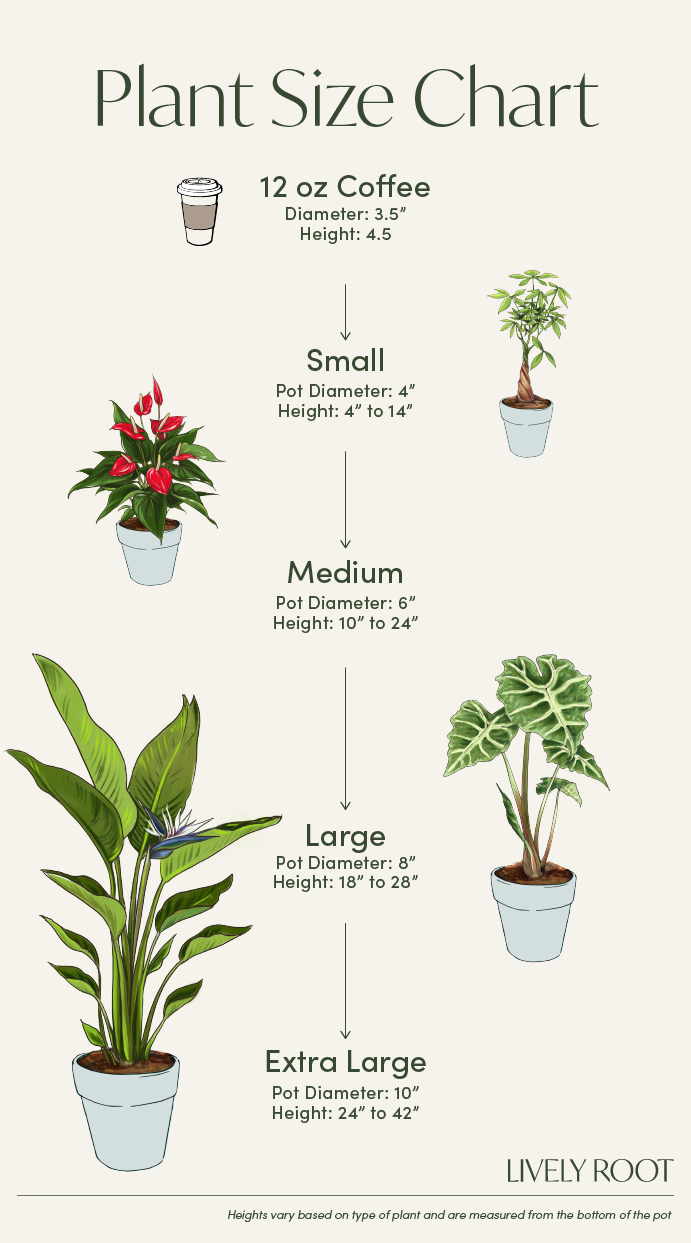
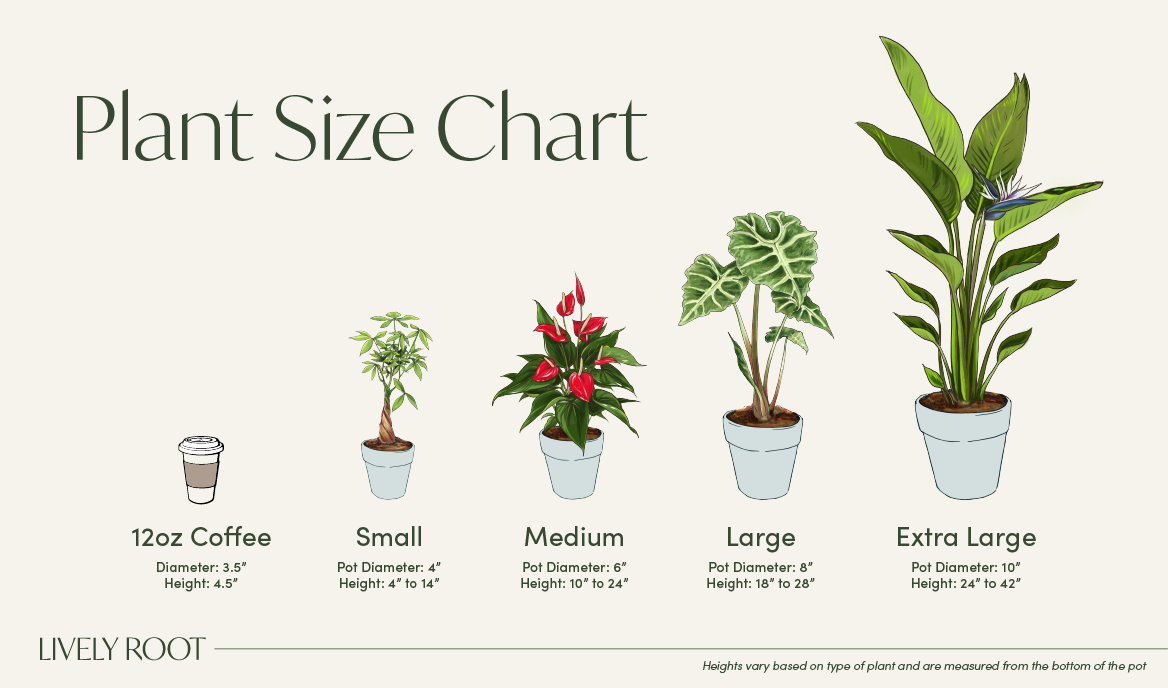
This peperomia variety is easy to grow and adaptable, making it great for beginners. It fills small spaces nicely and stays fairly compact, only growing about a foot.

Enjoys medium to bright indirect light.
Be sure to water when you receive them. Allow soil to dry between watering.
Enjoys high humidity. Spritz occasionally.
Keep this plant in rooms where the temperature is a comfortable 60°F-75°F and avoid cold drafts or air vents below 55°F. They thrive in warmer and humid temperatures with plenty of humidity.
Outside: Keep in full shade on a patio out of direct sunlight to prevent leaf burn where nights are above 55°F.
When receiving the Baby Rubber Plant, do not repot immediately but wait at least 6-12 months or if the roots are beginning to get crowded and growing through the drainage holes.
Repot in the spring, using a 2 inches bigger pot to keep the roots drier. (Too big of a planter could cause the soil to dry slower.)
Place a piece of screening at the bottom of the container over the drainage hole to secure the soil and allow to drain. Use a well-draining indoor potting mix with perlite to help with drainage.
Water your plant in the old pot before transferring over and let sit an hour.
Add soil to the bottom to elevate the root ball. Lift the plant and release the roots against the existing planter. Use a clean knife or garden trowel to wedge between the pot and the soil to loosen.
Inspect the root ball. Notice if there are any dead or rotting roots and trim off with sterile pruners. If the plant is rootbound, cut through the roots to alleviate continued encircling.
Ensure the plant is sitting about 1 inch below the edge of the pot to avoid water spillage. Add more soil and backfill around the sides by tamping down. Fill up to the soil line but not over.
Water thoroughly, leaving the soil damp but not soggy. If settling occurs, add more soil.
Water well to dampen the soil and let drain.
When watering your Rubber Tree plant, it is an excellent time to trim off any browning, yellowing, or discolored leaves. When pruning, use clean, sharp pruners. Cut above a node or where the leaves emerge on the side of the stem. Branching will occur and encourage a bushier and fuller plant. Use these cuttings to propagate. Remove any debris from the soil and replenish if needed.
To clean debris and dust off the leaves:
Place the Rubber Tree plant in a shower or tub.
Fill a watering can with a shower spout with filtered, bottled, or water free of chlorine and fluoride.
Shower the leaves, so each one is clear of dust and dirt.
Let the water drain and replace your plant in the decorative container.
To propagate this plant during the growing season:
Take a 4-6 inch stem cutting in the early spring.
Use a knife or sharp pruners, cut below a node where there are at least three leaves.
Remove the bottom leaves to expose the node.
Place the stem in a glass jar and fill it with filtered water and watch the roots grow! Replace and freshen the water each week.
After the roots are six weeks old, add the cuttings to moistened potting soil, continue to water, and give them bright, indirect lighting.
To propagate this plant by division during the growing season:
Water your plant the night before dividing.
Inspect your plant for overcrowding. If they are root-bound in the pot, loosen the dirt around the root clump and brush away the soil.
Begin to tease and pull apart the mass of roots.
Divide each clump into their pot, measuring 2 inches wider than the root mass and deep enough for their roots to grow.
Plant in well-draining potting mix amended with rooting hormone. Adding a rooting hormone during planting will help diminish the symptoms of transplant shock.
Place the plant at the same level as the previous pot adding soil at the bottom. Water the soil and add more if settling occurs. Set them in medium, indirect sunlight.
Check the moisture and humidity each day and add misting to keep the soil moist while the roots establish. After 6-8 weeks, roots will begin to develop. You can tug onto the stem to ensure the roots are anchoring well.
Keep the air humid around them with a pebble tray and misting.
Some die off of stems may occur from transplant shock. If this happens, cut the branches away and continue to hydrate, and keep the humidity level at a medium level while they recover. Adding a rooting hormone during planting will help diminish the symptoms of transplant shock.
Watermelon Peperomia (Peperomia argyreia ‘Watermelon’) is a compact indoor plant with short, fleshy burgundy stems and rounded leaves striped in dark green and silver green, resembling a tiny watermelon. This cute small plant belongs to the pepper family (Piperaceae) and is a rare peperomia variety. It grows natively in the tropical forests of Brazil and can adapt to outdoor conditions in USDA hardiness zones 10-12, where it can grow on the porch.
The charming Peperomia Watermelon doesn’t grow larger than 1 ft. in size, making it an excellent plant for small spaces. This plant thrives in medium to bright indirect sunshine, and Watermelon Peperomia care is easy as it doesn’t require frequent watering or fertilizing. Moreover, Peperomia plants are completely safe for cats and dogs.
The Peperomia Watermelon plant symbolizes renewal and personal growth. It’s also known as a friendship plant, and in Brazil, it’s believed to bring good luck. No wonder this small beauty is a popular gift for friends and family.
Other unique Peperomia varieties that show how diverse and inspiring this plant family can be include the delightful, multicolored Peperomia Ginny and Peperomia Frost with its textured, silvery foliage.
Peperomia Watermelon care is simple. This beautiful, low-maintenance plant adapts easily to dry conditions and will thrive with minimal effort. Here’s how to care for a Watermelon Peperomia and grow a healthy plant:
Water your plant and let it drain. Always wait until the soil is dry before watering again to prevent overwatering. Your Peperomia Watermelon will appreciate some extra humidity. Mist it regularly and group your plant with other plants, placing a pebble tray underneath its pot to keep humidity high.
The Watermelon Peperomia loves light and will thrive in medium to bright sun. It’s essential, however, to make sure that the light is indirect, as direct sun can scorch this plant’s tender leaves. Peperomias thrive in stable, warm temperatures ranging from 60℉ to 75℉. These tropical plants prefer warm and humid air and react negatively if placed in cold drafts.
Use a well-draining potting soil mixed with perlite for the best Peperomia care. Watermelon Peperomia doesn’t require a lot of fertilizer as it has a relatively small root system. Feeding your plant with a balanced liquid fertilizer thrice a year in the spring, summer, and fall is sufficient. When Watermelon Peperomia grows too large for its pot, that’s the time to repot your plant. Use a 2-inch larger pot with good drainage.
Watermelon Peperomia propagation is easy and best accomplished at the beginning of the growing season. You can take cuttings from your plant and propagate them into independent new plants or divide a large Watermelon Peperomia. Plant the new plants in moist but well-draining potting soil, place them in indirect light, and keep the humidity high around them.
You can prune your plant slightly to promote bushier and healthier growth. Trim off any dead or damaged leaves and keep the soil clean from debris. Overwatering and underwatering are the two most common problems with Watermelon Peperomia. Soft, yellowing leaves indicate that you’re watering too often, while wilting or crisp, brown leaves are usually a sign of underwatering or low humidity. Also, check regularly for pests, like mealybugs, spider mites, or scale, and treat your plant with an organic insecticide or neem oil if necessary.
One of the benefits of the Watermelon Peperomia plant is that it stays compact, making it an excellent plant for desks, shelves, windowsills, or tabletop displays.
Combine your delightful Watermelon Peperomia plant with other small plants to bring some fresh greenery into every corner of your living space:
Other beautiful, easy-care plants to consider for your green oasis include:
Add vibrancy to your interior with the gorgeous Watermelon Peperomia for sale from Lively Root!


