African Violets (Saintpaulia species) have hearty, deep sea-green leaves topped with flowers that come in various colors (Colors will vary based on availability).
They are super easy to care for and offer abundant flowers. Place them near a north or east-facing window that receives ample indirect light; keep them warm (between 65-80 degrees Fahrenheit) with 8 hours of darkness each night, and provide ample humidity.
*Our blooms vary and may not arrive as they are pictured. We ship our plants still in buds, so you can enjoy a fresh bloom in your home.*

These plants enjoy bright to moderate indirect light.
Allow the soil to dry out completely between waterings.
These plants enjoy a range of humidity levels. Spritz occasionally.
Keep these plants on the warm side for year-round color. Keep out of drafts or cold temperatures or they will suffer.
Outside: Keep out of direct light as it will burn the leaves. Nightime temperatures need to remain on the warm side for healthy growth.
Apply an African violet liquid fertilizer especially formulated with essential elements and low level soluble salts. Water the soil before application each time.
When receiving the plant, do not repot immediately but wait at least 6-12 months or until the spring. As African violets grow, the older leaves may be removed as newer ones form, leaving a bare stem closer to the soil. Remove your plant from their pot after adequately hydrating them. Remove as much root mass as the bare stem. Replant with fresh soil in the same pot but burying the bare stem, so the bottom leaves are near the soil line. Use an African violet potting mix with vermiculite and perlite, making up 1/3 to 1/2 of the mixture, so it is aerated to help with drainage. Using a terracotta or breathable pot with drainage holes will allow the air to circulate the root system and dry out more quickly. Ceramic pots are usable, too, with drainage holes. Water well and place a large, clear plastic bag over the planter to help create humidity. The roots will re-establish quicker. Check the moisture level each week to ensure they have adequate water. After six weeks, remove the bag and set them in bright to medium indirect light.
Prune any dead or damaged leaves each month. Remove spent flowers to promote new growth. Older, larger leaves can be removed to balance the size of the remaining leaves. If debris is on the leaves, use a small makeup brush to remove off the delicate leaves. Use the cuttings for propagation.
Remove a cutting from the mother plant. Dip the end into rooting power. Poke a hole in damp soil and place the stem. Cover the cutting with a clear, plastic bag and mist. Check soil moisture periodically. Within six weeks, the roots should be getting established. Plantlets will begin to emerge over time forming a new plant. Place in bright to medium, indirect light and follow care instructions.
The African Violet (Saintpaulia Ionantha) is a beautiful flowering plant with velvety leaves and flowers that resemble a violet. This plant is native to eastern Africa. This popular houseplant is part of the Gesneriaceae family, making it a relative of gloxinia and various primroses. The African Violet flower is usually purple but can come in an assortment of colors, ranging from bright pink to nearly black, not to mention its multi-colored varieties.
It can grow outdoors in hardiness zones 11-12, as long as it is placed out of direct sunlight. This charming tropical plant prefers a warm location with bright to moderate indirect light. The African Violet is a super easy-going plant, which not only produces lovely, year-round blooms but is also known for its notable air-purifying properties. This flowering plant is non-toxic and safe for pets.
Just like other violets, the African Violet symbolizes faithfulness and devotion and love, which makes it a natural gift idea for a significant other. Moreover, this lovely plant is associated with wealth and abundance in Feng Shui because of its round, coin-like leaves.
The African Violet has been consistently popular as a houseplant through the years, and no wonder – caring for Saintpaulia ionantha is easy.
A key aspect of African Violet care is ensuring you don’t overwater your plant. Don’t be fooled by its soft leaves and tender blooms; this hardy plant prefers to dry out entirely before repeated watering. Avoid splashing water onto the plant’s leaves to prevent white or brown spots on them.
Keep your Saintpaulia ionantha in a place with bright or medium indirect light for optimal growth. Avoid putting it in direct sunlight as this can scorch its leaves, and ideally make sure it receives 8 hours of darkness during the night. The African Violet prefers evenly warm temperatures from 65℉ to 80℉, with no cold drafts. Your Saintpaulia will appreciate some extra humidity. Either get a plant mister to spitz your plant occasionally or place a pebble tray underneath its pot.
Use a well-draining potting mix when repotting your African Violet plant. To improve aeration and drainage, you can also add some vermiculite and perlite to the mix. If your plant has developed a bare stem where the lower wilted leaves were removed, cover it with the soil up to the first leaves. Use a ceramic, terracotta, or other breathable pot for best effect. Ideally, wait until spring to repot your plant. Feed your repotted plant every 4-6 weeks with a liquid African Violet fertilizer to encourage more blooms.
You can use any healthy cuttings for propagation. Put the cuttings in moist soil and cover them with a transparent plastic bag to increase humidity. Once the roots become strong, you can transplant the baby plants into a bigger pot.
When choosing an African Violet for sale, ensure the plant’s leaves are fresh and healthy-looking. Prune your Saintpaulia African Violet to remove dead or damaged leaves and snip off the faded flowers to promote the forming of new buds. Use a makeup brush to clean the violet’s fuzzy leaves and remove any dust. Avoid washing the leaves under a shower for the best African Violet plant care.
Your plant’s leaves are a good indication of its overall health. Faded, bleached-out leaves show that the location is too bright for your Saintpaulia. Move it to a place with dimmer light. Curling leaves are often a result of exposure to cold air, while limp leaves may indicate overwatering or underwatering. In this case, check the plant’s soil to determine whether your plant is getting too much or too little water.
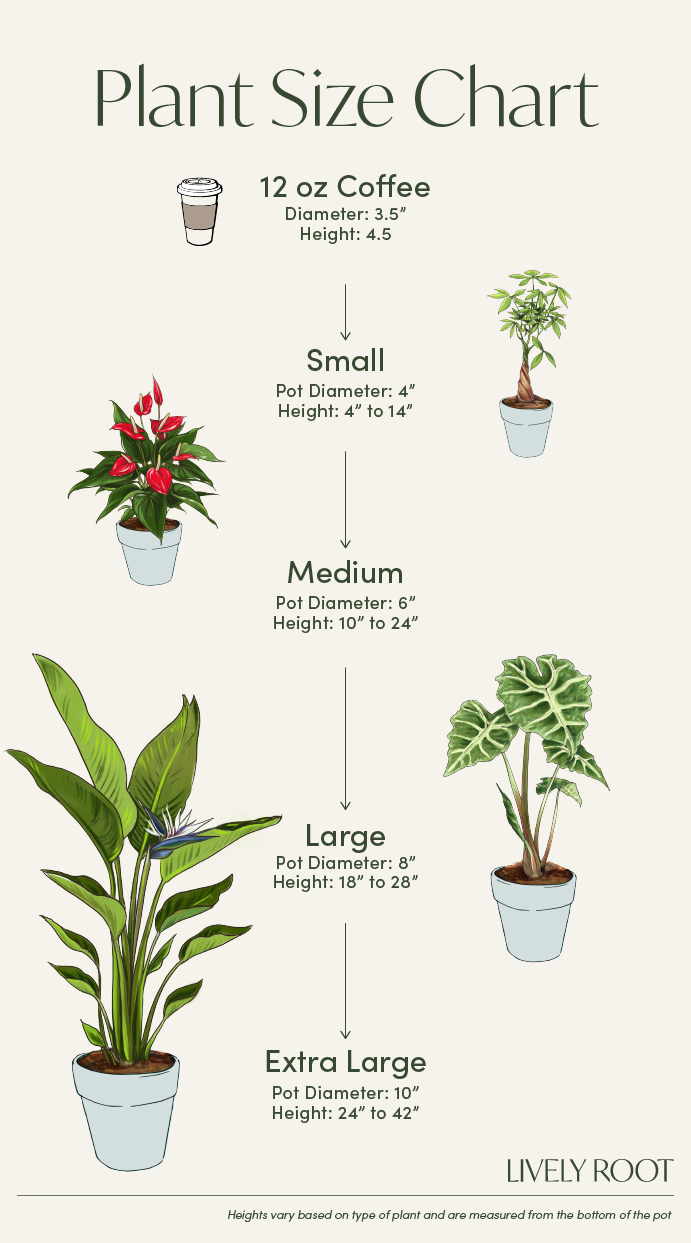
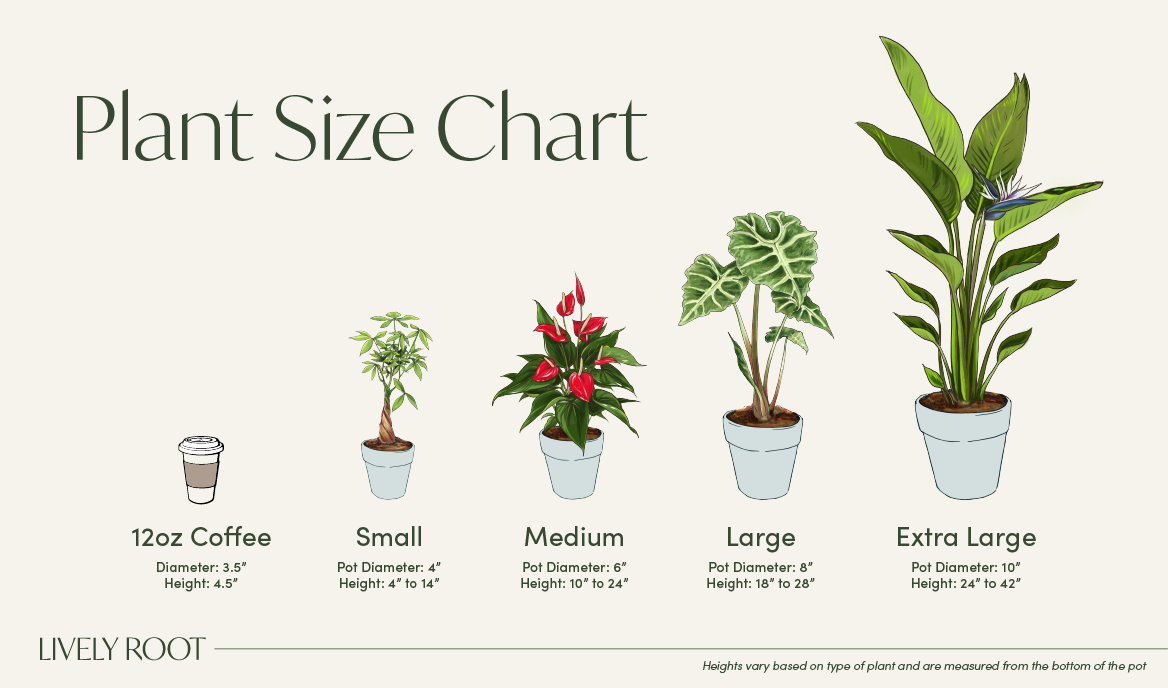
Saintpaulias are amazing small plants, compact enough to grow on your desk or windowsill. Their abundant colorful blooms lift your mood.
Are you wondering which other pet-friendly plants to combine your Saintpaulia ionantha with? Here are some ideas:
If you love the idea of flowering plants but want to look for a different variety, here are several blooming plants that you can buy instead of the African Violet:
Enhance your home’s interior with our charming African Violet plants for sale!